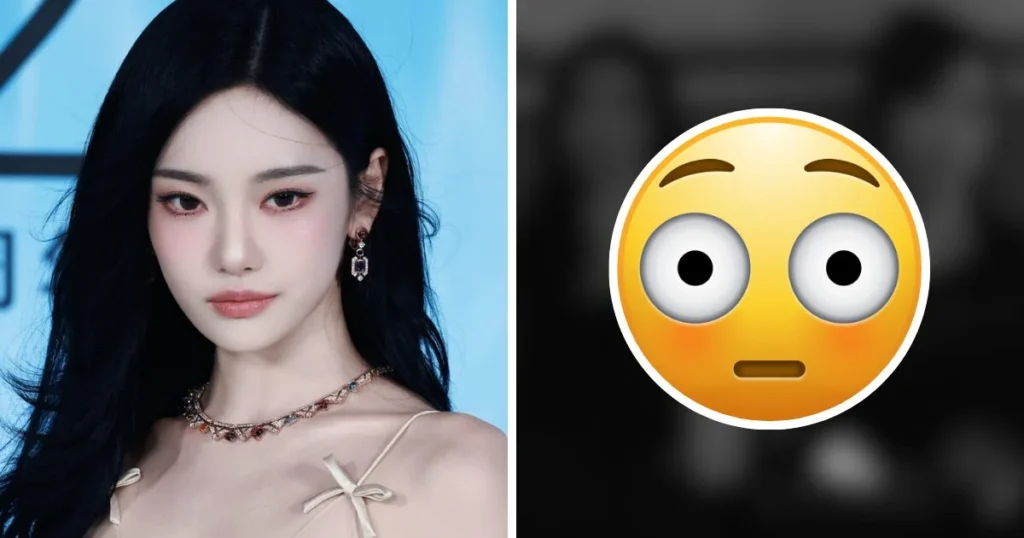

On March 24, 2026, the global K-pop community became the focal point of a burgeoning digital discourse following the circulation of several video clips featuring aespa members Giselle and Ningning. The footage, which captures the two performers during a routine transit to their vehicle, has prompted widespread speculation regarding the current state of their interpersonal relationship. Traditionally recognized for a remarkably close and playful bond—frequently categorized by the portmanteau "Ningselle" within the fandom—the apparent lack of interaction and the somber countenances displayed in the recent footage have led to rumors of a potential disagreement or "fight" between the two artists.
As the video gained traction across platforms such as X (formerly Twitter), TikTok, and various South Korean community forums, the narrative shifted from mere observation to a detailed analysis of the members’ body language. The incident serves as a significant example of how brief, out-of-context moments can ignite intense scrutiny within the highly pressurized environment of the idol industry, where public perception of group harmony is often tied to brand value and fan engagement.
Chronology of the Viral Footage and Emerging Speculation
The timeline of the current controversy began on March 22, 2026, when a brief video was uploaded to X by a fan account. The clip depicted Giselle and Ningning walking toward a parked van following an undisclosed schedule. In the video, the two members are seen walking in parallel but maintaining a distinct physical distance. Unlike their usual public appearances, which are often characterized by linked arms, whispered jokes, or physical proximity, the two remained silent and did not make eye contact.
By March 23, 2026, additional perspectives of the same event surfaced, alongside reports from a recent fan-signing event. According to attendees and subsequent social media posts, the perceived tension was not limited to the walk to the car. Fans noted that during the fansign, the two members appeared to avoid direct interaction, a departure from their established "unit" dynamic.
The speculation reached a peak on March 24, 2026, when the discussion migrated to larger international forums. The rapid dissemination of the footage—which garnered millions of views within hours—highlights the speed at which "rumor culture" operates in the modern K-pop landscape. Observers began connecting the silence in the car video to the "stubborn" behavior seen during the fansign, creating a narrative of a sustained conflict.
Detailed Analysis of the Fansign Incident
Central to the rumors is a specific occurrence involving fan-provided gifts during a promotional signing event. It is a common practice in the K-pop industry for fans to provide idols with themed props, such as headbands or plush toys, intended to facilitate "fan-service" photos. In this instance, a fan provided Giselle and Ningning with a set of "Angel and Devil" themed accessories, specifically designed for a coordinated "unit shot."
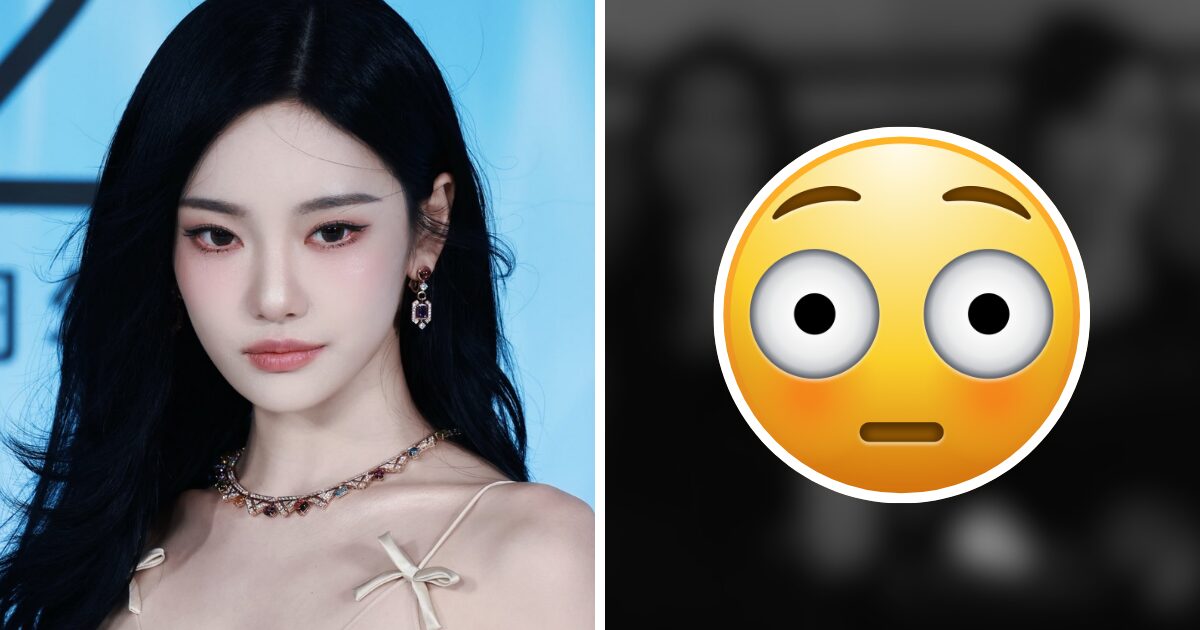
Reports from the event indicate that while both members wore the accessories as requested, they conspicuously avoided standing together for photos. Instead of the "couple-y" or "best friend" shots that the donor had anticipated, the members remained at opposite ends of the stage or stood with other members. This led to a situation where Chinese fanbases, who are known for their high level of investment in specific member pairings, reportedly published only solo shots of the two artists, expressing disappointment and confusion over the lack of collaborative interaction.
One fan took to social media to remark on the absurdity of the situation, stating that the gifts were clearly intended to show the two as a "stick close" duo, yet the members "stubbornly" refused to bridge the gap. This specific detail has been cited by many as "proof" that the tension is not merely a result of exhaustion or a brief moment of silence, but rather a deliberate avoidance.
Fan Sentiment and the "Scary Unnie" Narrative
A significant portion of the online reaction has focused on Giselle’s demeanor in the viral clips. As the second-oldest member of aespa, Giselle is often viewed by fans through the "unnie" (older sister) lens. In the recent footage, many fans pointed out her stern facial expression and what they described as a "cold" aura.
Comments on social media platforms reflected a mixture of concern and intimidation. Some fans described Giselle’s expression as "seriously scary," suggesting that her visible displeasure made the atmosphere palpable even through a screen. Others empathized with the situation, noting that if they were the target of such a gaze, they would be "unable to do anything" or would "start crying."
However, a secondary narrative has emerged among more optimistic fans. These individuals have playfully linked the perceived tension to long-standing "dating rumors" or "couple squabbles," a common trope in K-pop fandom where fans interpret conflicts as signs of a deep, complex relationship. This "shipping" culture often uses terms like "divorce era" or "lovers’ spat" to neutralize the anxiety surrounding potential group discord, turning a negative rumor into a narrative of intense emotional connection.
Supporting Data: The Impact of Group Dynamics on Brand Value
The intensity of the reaction to the "Ningselle" rumor can be explained through the lens of industry data and consumer behavior. Group harmony is a key metric in the K-pop business model. According to market research regarding idol group longevity, groups that project a strong, genuine bond tend to have higher rates of fan retention and more successful "unit" merchandising sales.
For aespa, a group that debuted with a high-concept "metaverse" identity, the human element of their friendships serves as a vital anchor for their audience. When that anchor is perceived to be under threat, it can lead to a decrease in social media sentiment scores. In the 48 hours following the viral video, mentions of "aespa fight" and "Giselle Ningning" saw a 400% increase in search volume on major platforms. While this drives engagement, it also creates a volatile environment for the group’s public relations team.

Official Responses and Agency Stance
As of the time of publication, SM Entertainment has not issued an official statement regarding the private interactions or the rumored conflict between Giselle and Ningning. This is consistent with the agency’s historical approach to interpersonal rumors within its groups. K-pop agencies typically refrain from commenting on "mood-based" speculation unless it escalates into a legal matter or a formal departure from the group.
Inferred reactions from the members’ inner circles suggest that the "tension" may be attributed to the grueling schedules common during promotional periods. Industry insiders often point out that idols frequently suffer from extreme fatigue, which can manifest as a lack of energy or "flat" facial expressions in public. Without official confirmation, the narrative remains purely speculative, driven by fan observation rather than verified internal reports.
Broader Implications for the K-pop Industry
The "Ningselle" controversy highlights several broader issues within the modern entertainment industry:
- The Perils of Constant Surveillance: With the ubiquity of high-definition smartphone cameras, idols are under constant observation from the moment they leave their dorms to the moment they return. This leaves no room for "off" days or private moments of frustration.
- Parasocial Expectations: Fans often feel a sense of ownership over the relationships between members. When members do not perform their friendship according to established fan scripts, it can lead to a sense of betrayal or alarm.
- The "Scary" Narrative and Gender: The characterization of Giselle’s behavior as "scary" also touches on the gendered expectations of female idols. Women in the industry are often expected to maintain a smiling, approachable facade at all times; any deviation is frequently interpreted as hostility or a "bad attitude."
Conclusion: Fact vs. Speculation
While the video of Giselle and Ningning walking in silence is factual, the conclusion that they are in a "fight" remains an interpretation. The "tension" noted at the fansign and the car transit could be the result of a myriad of factors, ranging from a minor disagreement to simple physical exhaustion or a focus on upcoming performances.
For the time being, aespa continues to move forward with their scheduled activities. The ultimate resolution of these rumors will likely come not through a press release, but through the members’ future public interactions. If the duo is seen laughing or interacting in their usual manner in the coming days, the "Ningselle fight" narrative will likely fade as quickly as it emerged. However, the incident remains a potent reminder of the microscopic level of scrutiny applied to K-pop’s biggest stars and the fragile nature of public perception in the digital age.