
London’s position as a global epicenter for luxury hospitality has undergone a significant transformation over the past decade, moving from a market dominated by traditional heritage properties to one defined by architectural innovation and diverse neighborhood-centric boutique experiences. With a portfolio exceeding 1,500 hotels, the capital’s accommodation sector serves as a critical pillar of the United Kingdom’s tourism economy, which contributed an estimated £106 billion to the national GDP in recent fiscal years. This evolution is characterized by a dual-track development: the multi-million-pound "restorative modernization" of historic icons in Mayfair and the strategic expansion of design-led, independent properties into traditionally residential or transit-focused districts like Paddington, Chelsea, and Fitzrovia. As international travel volumes stabilize post-pandemic, London has seen a surge in "experiential luxury," where travelers prioritize bespoke service, wellness-integrated amenities, and hyper-local aesthetic narratives over standardized high-end offerings.
The Pillars of Mayfair: Restoring the Grand Dames
The epicenter of London’s high-end hospitality remains the "Golden Triangle" of Mayfair, St. James, and Marylebone. Within this district, heritage properties have had to innovate to maintain market share against a rising tide of contemporary competitors. Claridge’s, an institution since 1812, exemplifies this trend. Recently completing a monumental seven-year renovation—which included the excavation of a five-story basement to house a world-class spa and the addition of a rooftop pool suite—the property has successfully balanced its Art Deco legacy with the demands of the modern "ultra-high-net-worth" (UHNW) traveler. By maintaining traditional 24-hour butler service while collaborating with global fashion icons like Dior and Jimmy Choo for cultural activations, Claridge’s retains its status as a primary revenue generator for the Maybourne Hotel Group.
Directly adjacent in the Mayfair hierarchy is The Connaught, located on Mount Street. This property serves as a benchmark for the integration of British tradition with Michelin-starred culinary excellence. The presence of Hélène Darroze’s three-Michelin-star restaurant and the globally acclaimed Connaught Bar—frequently ranked among the best in the world—highlights a broader industry shift where hotel F&B (Food and Beverage) outlets are no longer mere amenities but primary destinations for local residents and international visitors alike. The Connaught’s ability to maintain high Average Daily Rates (ADR), often exceeding £900, is bolstered by its Aman Spa, reflecting the growing necessity for comprehensive wellness facilities in the luxury tier.
Adaptive Reuse and the Transformation of Historic Landmarks
A significant trend in London’s recent hospitality development is the "adaptive reuse" of heritage buildings, where former government or civic structures are repurposed into luxury hotels. The NoMad London, situated in the former Bow Street Magistrates’ Court, represents one of the most successful examples of this strategy. The building, which once hosted the trials of Oscar Wilde and the Kray twins, was transformed by the New York-based design studio Roman and Williams into a 91-room property. This project illustrates the industry’s move toward "mood-driven" interiors, utilizing dark wood paneling, velvet textures, and an extensive art collection to create a narrative-heavy guest experience. The integration of the "Side Hustle" cocktail bar and the "Twenty8 NoMad" brasserie demonstrates how adaptive reuse projects can revitalize historic neighborhoods by creating new social hubs.
Similarly, The Standard London brought the "Brutalist" architectural movement to the forefront of the hospitality conversation. Housed in the former Camden Town Hall Annex in King’s Cross, the hotel’s 2019 opening signaled the revitalization of the district. By embracing the building’s 1970s architecture rather than concealing it, The Standard attracted a younger, creative demographic. The property’s success is a case study in how "lifestyle hotels" can drive neighborhood regeneration, with its rooftop bar and "Double Standard" lounge becoming central to the King’s Cross social scene.
The Rise of Design-Forward Boutique Independence
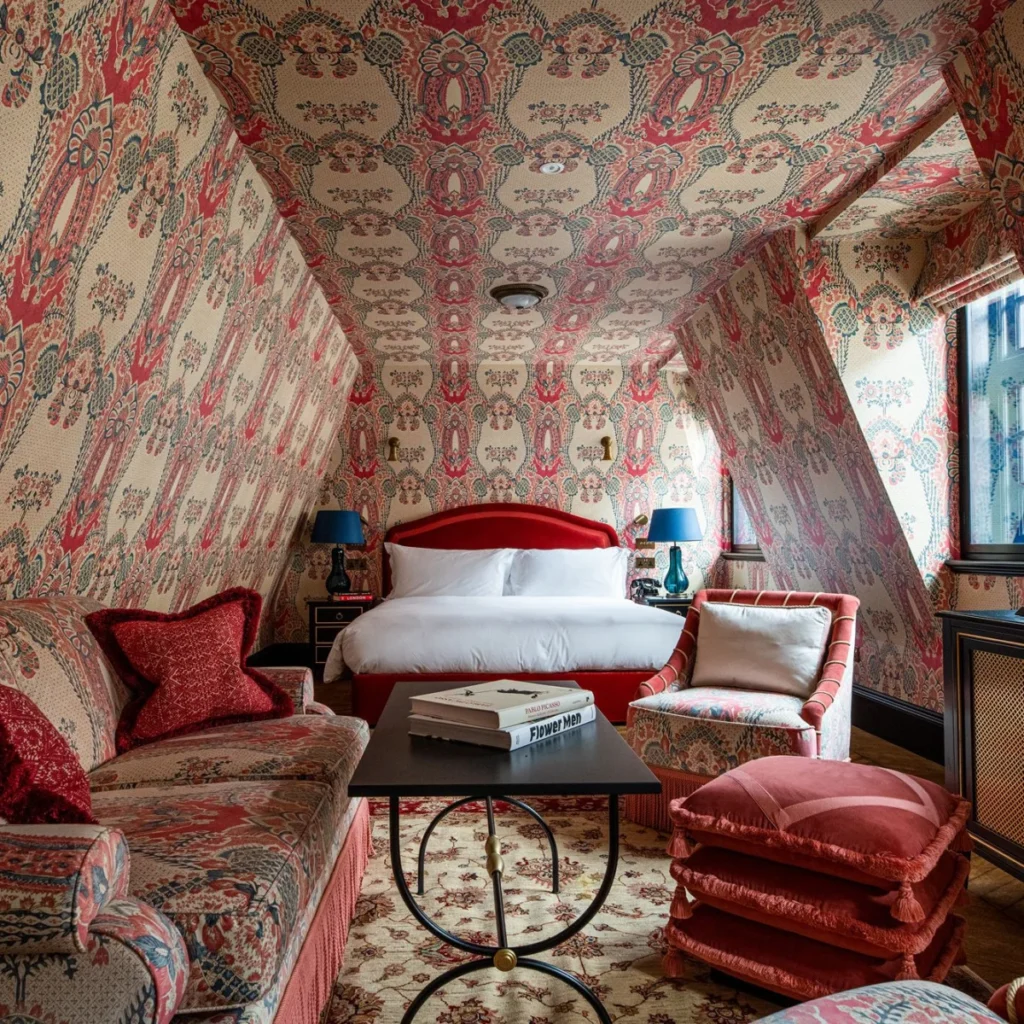
While large-scale brands continue to invest in the capital, a crop of independent and small-group properties has emerged, focusing on niche aesthetics and "approachable luxury." The Broadwick Soho, designed by Martin Brudnizki, serves as a maximalist counterpoint to the minimalist trends of the previous decade. Featuring custom Pierre Frey fabrics and Murano chandeliers, the property caters to the Soho "soul," blending eccentric English townhouse styles with high-energy nightlife. This approach reflects a market demand for hotels that function as extensions of their specific neighborhood’s identity.
In Paddington, the Grand Hotel Bellevue has challenged the neighborhood’s reputation as a mere transit hub. Designed by Fabrizio Casiraghi, the hotel utilizes a palette of deep oranges and greens within a Victorian townhouse framework. The involvement of fashion designer Emily Adams Bode Aujla in the lobby curation underscores the increasing crossover between the fashion and hospitality industries. This boutique model, often starting at more accessible price points around £200-£300 per night, allows the London market to capture a "design-literate" demographic that may find the Mayfair "Grand Dames" cost-prohibitive or aesthetically outdated.
Strategic Expansion into Residential Neighborhoods
London’s luxury sector is increasingly encroaching into traditionally residential enclaves, offering a "private residence" feel. At Sloane, located in Chelsea, operates on a hybrid model that blends a boutique hotel with the atmosphere of a private members’ club. Developed as a sister property to Paris’s Hotel Costes, it features interiors by Atelier Mériguet-Carrère, emphasizing privacy and soundproofing. This trend toward "discreet luxury" is also evident in The Kensington, which occupies seven white-stucco Victorian buildings. By offering in-room spa services and roll-top tubs, these properties cater to travelers seeking a "home-away-from-home" experience, a segment that has seen significant growth as long-stay travel becomes more common.
The Newman in Fitzrovia represents the latest entry into this neighborhood-centric category. As the debut property for Kinsfolk & Co, it focuses on "Scandi-simplicity" and Art Deco influences. The inclusion of a Finnish sauna and hydrotherapy pool in a relatively small-scale property highlights the "wellness-first" mandate that now dictates London hotel development. Fitzrovia’s emergence as a quieter, more sophisticated alternative to Soho has made it a prime target for these types of high-concept, mid-sized developments.
The Future of the High-End Market: Sustainability and Modernity
As the sector looks toward 2025 and beyond, two themes are dominating new developments: architectural modernism and environmental sustainability. The Emory, a suite-only property at Hyde Park Corner, represents a bold departure from heritage aesthetics. Designed by the late Richard Rogers’ firm (RSHP), the building’s steel-and-glass construction is engineered to withstand the vibrations of the London Underground while providing panoramic views of the city. By employing six different international designers for its floors, The Emory exemplifies the "curated variety" model, where no two stays are identical.
In contrast, 1 Hotel Mayfair has positioned itself as the leader in the "nature-first" luxury movement. Located off Piccadilly, the property features living green walls and utilizes reclaimed timber and raw stone throughout its interiors. This focus on sustainability—including filtered water taps in every room and a Bamford Wellness Spa—addresses the growing demand for eco-conscious travel options within the luxury segment. Industry data suggests that properties with strong ESG (Environmental, Social, and Governance) credentials are seeing higher engagement from corporate travelers and younger affluent demographics.
Economic Implications and Market Outlook
The robust activity in London’s hotel sector carries significant economic weight. According to data from STR, London’s hotel occupancy rates have consistently outperformed other major European hubs, with the luxury tier seeing the fastest recovery in RevPAR (Revenue Per Available Room). The investment in new properties like The Twenty Two and the renovation of icons like The Berkeley (now featuring a rooftop pool reminiscent of a 1920s ocean liner) indicates a high level of investor confidence in London’s long-term appeal.
However, the sector faces ongoing challenges, including rising operational costs and a competitive labor market. The shift toward "butler-style" service and high-touch amenities requires a significant workforce, leading many properties to invest heavily in staff retention and training programs. Furthermore, the "Experience Economy" means that hotels must constantly refresh their F&B and wellness offerings to remain relevant.
In conclusion, London’s hotel landscape is currently characterized by an unprecedented level of diversity. From the Art Deco splendor of the Mayfair classics to the Brutalist energy of King’s Cross and the sustainable luxury of Piccadilly, the capital has successfully repositioned itself as a multifaceted destination. The ongoing investment in both architectural innovation and heritage preservation ensures that London remains a global leader in the hospitality sector, capable of catering to the evolving tastes of the modern international traveler while maintaining its quintessentially English charm.