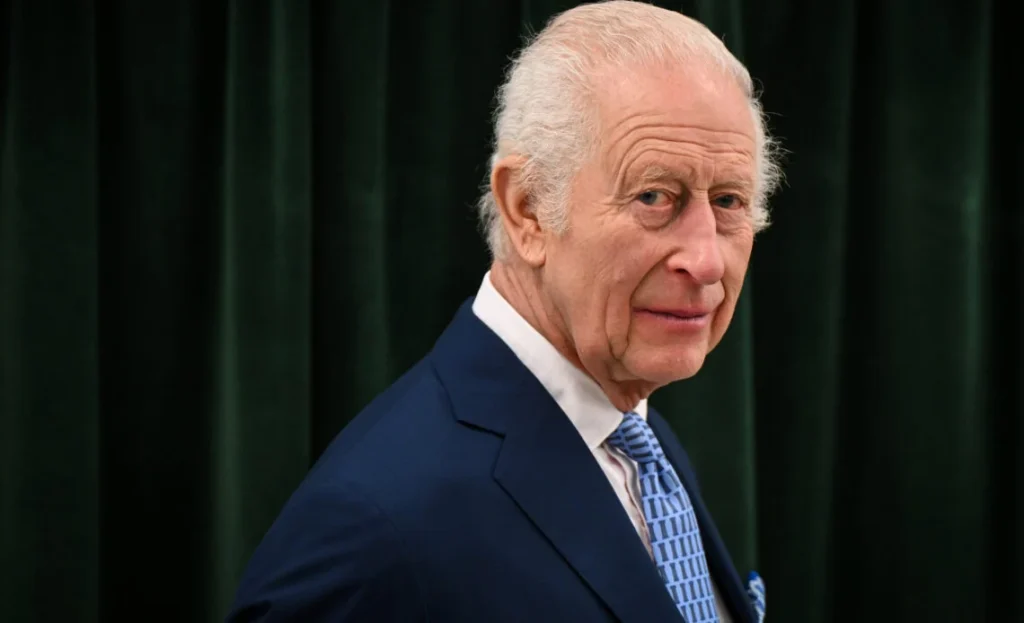

Buckingham Palace has announced a significant appointment to its senior communications team, naming Rhiannon Mills as the new Communications Secretary to King Charles III and Queen Camilla. This strategic move ushers in one of Britain’s most seasoned royal broadcasters into the heart of the monarchy’s media operations, signaling a potential evolution in how the institution engages with the public and manages its narrative. Ms. Mills, 46, is set to transition from her prominent role at Sky News to this crucial position at Buckingham Palace before the summer. Her decade-long tenure covering the Royal Family has endowed her with a profound understanding of royal engagements, both domestically and internationally, and has fostered a deep professional familiarity with senior members of the House of Windsor.
The timing of Ms. Mills’ appointment is particularly noteworthy, occurring at a juncture where the monarchy is navigating a complex landscape of reputational challenges and intensified public scrutiny. Recent controversies, including those surrounding Prince Andrew and his past associations, alongside ongoing advocacy from groups like Republic advocating for a republic, have underscored the imperative for clear, consistent, and effective communication emanating from the palace. The need for seasoned professionals adept at managing public perception and disseminating information accurately and strategically has never been more apparent.
A Career Dedicated to Royal Reporting
Rhiannon Mills has carved a distinguished career as a correspondent, traversing the globe to report on the Royal Family’s activities. Her extensive experience includes accompanying royal tours to diverse regions such as Asia, Africa, the Middle East, and Australasia. Her portfolio encompasses coverage of pivotal moments, including the historic birth of Prince George, the first child of the Prince and Princess of Wales, at St. Mary’s Hospital in 2015, and has involved conducting interviews with prominent royals like Prince Harry and Prince William. This breadth of experience has provided her with an intimate perspective on the complexities of royal public relations and the nuanced dynamics of monarchical communication.
Prior to her appointment, Ms. Mills was known for her balanced yet occasionally incisive commentary. Her insights have previously highlighted the potential pitfalls of a prolonged silence from the Royal Family in managing public perception, particularly in the aftermath of significant media events, such as the Duke and Duchess of Sussex’s interview with Oprah Winfrey. This experience suggests an understanding of the need for proactive and strategic messaging, rather than reactive responses, in an era of instant global communication.
The Scope of the New Role
In her capacity as Communications Secretary, Ms. Mills will assume responsibility for shaping the public messaging strategies for King Charles III and Queen Camilla. This will involve overseeing the planning and dissemination of official announcements, as well as providing crucial support for the logistical and communication aspects of official engagements and overseas visits. Palace sources have emphasized that Ms. Mills brings to the role "a wealth of broadcasting and digital storytelling experience" coupled with "deep knowledge of royal matters." This combination of skills is seen as vital for modernizing the palace’s communication efforts and ensuring its message resonates effectively with a diverse and evolving audience.
Ms. Mills succeeds Laura Sullivan, who has transitioned to a role within the private sector. Within the palace’s communications hierarchy, Ms. Mills will report to Tobyn Andreae, a key figure in the senior communications team, indicating a collaborative approach to managing the monarchy’s public image.
Navigating a Changing Media Landscape
The appointment of a former broadcast journalist to such a senior communications role reflects a broader trend in how institutions, including royal households, are adapting to the contemporary media environment. The rise of social media, the 24-hour news cycle, and the increasing demand for transparency necessitate a sophisticated and agile communication strategy. Ms. Mills’ background at Sky News, a major international news organization, suggests she possesses an understanding of journalistic practices, audience engagement, and the challenges of delivering information in a competitive media space.
Furthermore, her experience in reporting on the Royal Family for over a decade has provided her with invaluable insights into the public’s expectations and the sensitivities surrounding royal affairs. This firsthand knowledge is crucial for crafting messages that are not only accurate and timely but also considerate of the historical and constitutional significance of the monarchy.
Contextualizing the Appointment: A Delicate Period for the Monarchy
The significance of Ms. Mills’ appointment is amplified by the current context in which the monarchy operates. The institution has faced a series of challenges that have tested its public standing. The ongoing repercussions of Prince Andrew’s association with Jeffrey Epstein have cast a long shadow, leading to his removal from public duties. Concurrently, republican movements, such as the group Republic, have gained traction, advocating for a shift away from a hereditary head of state. These developments highlight the persistent need for the monarchy to demonstrate its relevance, value, and commitment to public service in a democratic society.
The Prince and Princess of Wales’s own experiences with public scrutiny, particularly concerning their children, further illustrate the intense media interest and the delicate balance required in managing personal and public lives. In such an environment, a communications secretary with Ms. Mills’s proven track record in nuanced reporting and understanding of royal sensitivities is poised to play a pivotal role in shaping how these challenges are addressed and communicated.
A Chronology of Royal Communication Evolution
The appointment of a dedicated Communications Secretary is not a new phenomenon, but the emphasis on individuals with deep media experience signifies an evolution. Historically, royal communications were often handled more informally or through private secretaries with broader responsibilities. However, as the media landscape has transformed, so too have the demands placed upon the palace’s communication apparatus.
- Mid-20th Century: Royal press offices were primarily reactive, managing inquiries and issuing formal statements. The focus was on maintaining an aura of mystique and deference.
- Late 20th Century: With the rise of television and increased media scrutiny, the palace began to adopt a more proactive approach, though still with a degree of reserve. The establishment of dedicated press offices became more common.
- Early 21st Century: The advent of the internet and social media necessitated a rapid adaptation. Royal households began to develop official websites and social media presences, requiring a more direct and engaging communication style. This period also saw increased public discourse and criticism, demanding more sophisticated public relations strategies.
- Present Day: The appointment of Rhiannon Mills reflects the current imperative for highly experienced media professionals to lead royal communications, emphasizing strategic messaging, digital engagement, and crisis management in an increasingly transparent and interconnected world.
Supporting Data and Trends in Public Perception
Recent polling data offers insight into the complexities of public perception surrounding the monarchy. While support for the monarchy remains significant in many polls, there are also clear demographic and regional variations, as well as notable shifts in opinion following major events. For instance, surveys conducted by organizations like YouGov have indicated varying levels of public approval for different members of the Royal Family, and a generational divide in attitudes towards the institution.
Furthermore, the rise of digital platforms has democratized public discourse, allowing for a wider range of opinions and criticisms to be voiced and amplified. This necessitates a communication strategy that can effectively engage with these platforms, address misinformation, and foster constructive dialogue. Ms. Mills’s experience in digital storytelling is therefore highly relevant in this context. The data suggests that a one-size-fits-all approach to communication is no longer viable, and tailored strategies are required to engage different segments of the public.
Broader Impact and Implications
The appointment of Rhiannon Mills is likely to have several implications for the Royal Family’s public engagement:
- Enhanced Strategic Communication: Her background suggests a move towards more strategic and proactive communication, aiming to shape narratives rather than merely react to them. This could involve greater use of digital platforms for storytelling and direct engagement with the public.
- Improved Crisis Management: With a deep understanding of media dynamics, Ms. Mills is well-placed to navigate and mitigate reputational crises. Her experience in reporting on controversies may provide her with a unique perspective on how to address them effectively.
- Modernization of Royal Messaging: The palace’s communication may become more contemporary and accessible, reflecting the changing media consumption habits of the public. This could involve a greater emphasis on the human element of the monarchy and its contributions to society.
- Strengthened Relationship with the Media: Her established professional relationships within the media industry could foster a more constructive and collaborative working environment between the palace and journalists.
The Royal Family, like any major public institution, must continually adapt to maintain its relevance and public trust. In an era defined by constant information flow and evolving societal expectations, the appointment of Rhiannon Mills signals a clear commitment from King Charles III and Queen Camilla to bolster their communications capabilities with seasoned expertise. Her transition from a prominent media role to the heart of the monarchy’s public relations underscores the critical importance of effective storytelling and strategic messaging in safeguarding the institution’s future. The coming months will reveal the full impact of this significant appointment as Ms. Mills begins to shape the narrative of the British monarchy for a new generation.