
Queen Letizia of Spain has graciously loaned one of Europe’s most celebrated royal tiaras, the "Flor de Lis," for a special exhibition at the Royal Collection Gallery in Madrid. This significant loan offers the public a rare opportunity to admire this exquisite piece of jewelry, steeped in Spanish royal history, and to delve into the life of Queen Victoria Eugenia, the formidable consort of King Alfonso XIII and great-grandmother to the current King Felipe VI. The exhibition, titled "Victoria Eugenia," provides a comprehensive look at the life and legacy of this influential queen, with the Flor de Lis tiara serving as a centerpiece, drawing royal enthusiasts and history buffs alike.
A Tiara Steeped in History and Symbolism
The Flor de Lis tiara, informally known as "La Buena" or "The Good One," holds a place of immense importance within the Spanish Crown Jewels. Its significance is deeply intertwined with the tumultuous reign of Queen Victoria Eugenia and the subsequent restoration of the monarchy. Gifted to her upon her marriage to King Alfonso XIII in 1906, the tiara quickly became a symbol of her royal status and her enduring connection to the House of Bourbon, the dynasty of her husband. The design itself is a masterful representation of this lineage, adorned with fleur-de-lis motifs, the heraldic symbol of the French monarchy and a prominent emblem of the Bourbons.
The tiara’s story is not just one of opulence but also of resilience and survival. Queen Victoria Eugenia’s reign was marked by significant political upheaval in Spain. Her wedding day itself was marred by tragedy; as the newlyweds traveled from their ceremony to the palace, an anarchist threw a bomb at their carriage. While King Alfonso XIII and Queen Victoria Eugenia emerged unharmed, the explosion tragically claimed the lives of several bystanders. Despite the horrific event, the young queen, demonstrating remarkable composure, proceeded to the reception, her wedding gown bearing the stains of the attack. This early experience foreshadowed a reign characterized by both grandeur and grave challenges.
From Exile to Restoration: The Tiara’s Journey
When the Spanish monarchy was abolished and the royal family was forced into exile in 1931, the Flor de Lis tiara was among the most treasured possessions that Queen Victoria Eugenia ensured were saved. It accompanied the family through their years abroad, a tangible link to their former lives and their claim to the Spanish throne. The tiara’s survival through this period of national turmoil and the dissolution of the monarchy is a testament to its enduring value, both sentimental and material.
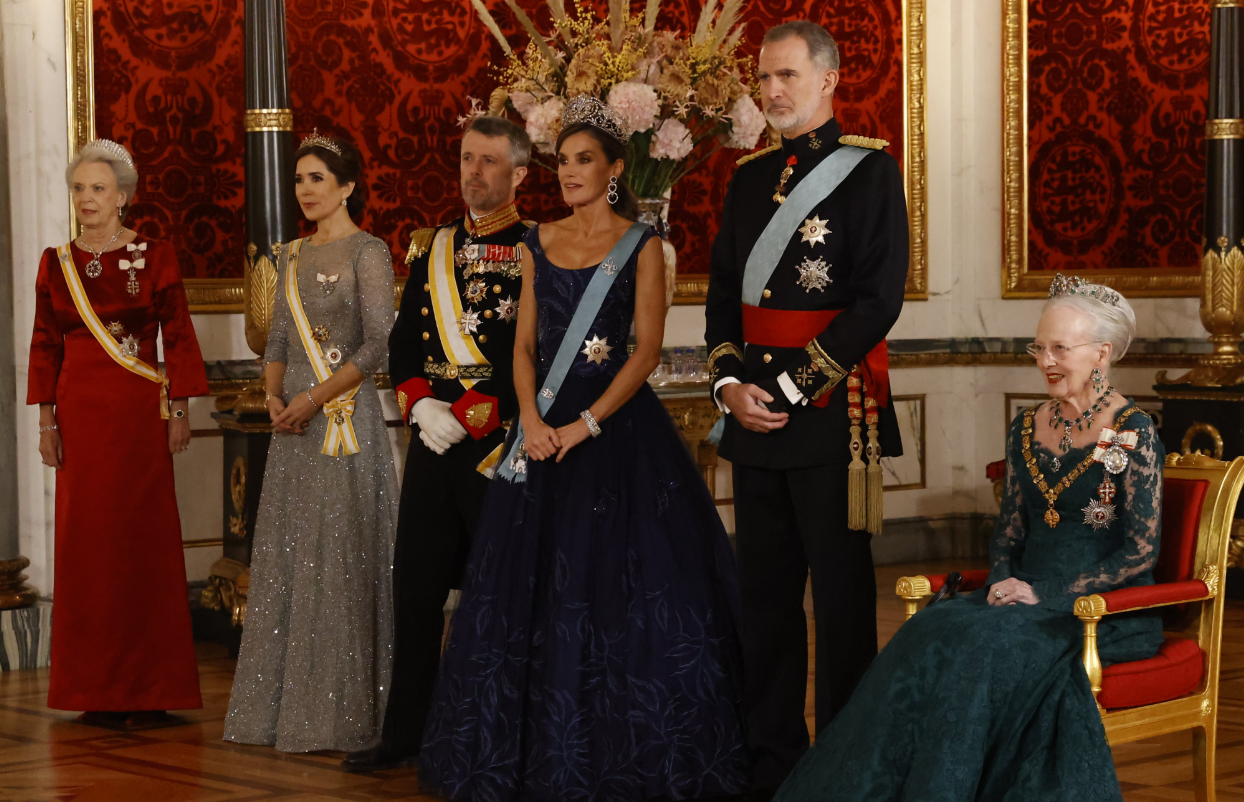
Following the restoration of the Spanish monarchy in 1975 under King Juan Carlos I, the tiara returned to its rightful place within the royal collection. Since then, it has been reserved for the reigning queen, a tradition that underscores its unique status. Queen Sofia, wife of King Juan Carlos I, wore the tiara extensively for nearly four decades, making it a familiar sight at numerous state occasions and royal events. Upon the accession of King Felipe VI in 2014, the mantle of wearing the Flor de Lis passed to Queen Letizia, who has also donned this magnificent piece on several notable occasions, including a state visit to the United Kingdom where she wore it at Buckingham Palace alongside her husband.
The "Victoria Eugenia" Exhibition: A Deeper Dive into a Remarkable Life
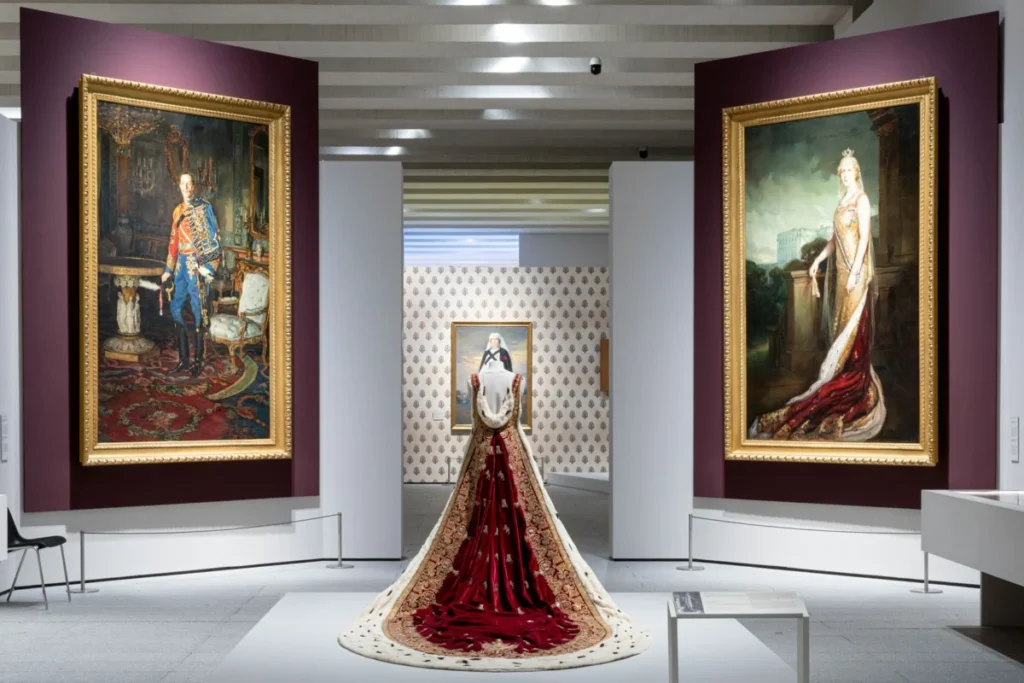
The "Victoria Eugenia" exhibition at the Royal Collection Gallery offers a comprehensive exploration of the life and times of this fascinating queen. Beyond the dazzling display of the Flor de Lis tiara, visitors are treated to a rich tapestry of artifacts that illuminate her journey. The exhibition features a curated selection of paintings, personal letters, and historical photographs, providing intimate glimpses into her personal and public life.
Adding another layer of authenticity, several of Queen Victoria Eugenia’s own garments are on display, including formal court dresses and a magnificent ermine-trimmed train, offering a tangible connection to her era and her regal presence. The exhibition also revisits the dramatic events of her wedding day, complete with a display of a royal carriage, allowing visitors to visualize the historical context of that fateful moment. A particular focus is placed on her dedicated work and contributions during wartime, highlighting her humanitarian efforts and her role in supporting Spain through challenging periods.
The exhibition’s timeline extends to Easter Sunday, April 5th, providing a generous window for those wishing to experience this unique historical presentation. This extended period allows ample opportunity for national and international visitors to travel to Madrid and immerse themselves in the story of a queen whose life was marked by both tragedy and extraordinary strength, and whose legacy continues to be celebrated through such cherished artifacts.
Supporting Data and Context
- The House of Bourbon: The Flor de Lis tiara’s connection to the House of Bourbon is a key element of its historical significance. This royal house, of French origin, has been a dominant force in European monarchies for centuries. In Spain, the Bourbons have reigned intermittently, with significant periods of rule and exile, shaping the nation’s political and social landscape. King Alfonso XIII, to whom Victoria Eugenia was married, was a Bourbon monarch.
- Royal Tiaras as Symbols: Tiaras are more than just ornate headpieces; they are powerful symbols of lineage, status, and royal authority. The Flor de Lis, with its prominent fleur-de-lis motif, explicitly links its wearer to the Bourbon dynasty, reinforcing their right to rule and their historical importance. The tradition of reserving such tiaras for the reigning queen further emphasizes their symbolic weight.
- Spanish Monarchy’s History: Spain’s monarchy has a complex history, marked by periods of great power, internal conflict, and republicanism. The transition from monarchy to republic in 1931 and its subsequent restoration in 1975 represent significant turning points that deeply impacted the royal family and the nation. The survival of royal artifacts like the Flor de Lis tiara through these changes highlights their enduring connection to the nation’s past.
- Queen Victoria Eugenia’s Lineage: Born Princess Victoria Eugenie of Battenberg, she was the granddaughter of Queen Victoria of the United Kingdom. This familial connection to another powerful European monarchy added another layer to her international standing and the significance of her marriage into the Spanish royal family.
- The Royal Collection Gallery: Located in Madrid, this institution is dedicated to preserving and displaying the vast heritage of the Spanish Crown. Exhibitions like "Victoria Eugenia" are crucial for educating the public about Spain’s rich royal history and showcasing the artistic and historical value of the royal collections.
Analysis of Implications
The loan of the Flor de Lis tiara by Queen Letizia signifies a strong endorsement of the "Victoria Eugenia" exhibition and a commitment to preserving and sharing Spain’s royal heritage. This act of lending such a significant piece of jewelry underscores Queen Letizia’s role in upholding royal traditions while also embracing contemporary approaches to engaging the public with history.

The exhibition’s focus on Queen Victoria Eugenia offers a valuable opportunity to re-examine the role of royal consorts, particularly those who navigated periods of immense societal change and personal hardship. By highlighting her life and contributions, the exhibition moves beyond mere ceremonial duties to explore the substance of her influence and resilience.
The public’s access to such historically significant artifacts, like the Flor de Lis tiara, fosters a deeper understanding and appreciation of the monarchy’s place in national identity. In an era where monarchies are often scrutinized, exhibitions that blend historical narrative with tangible relics can play a vital role in shaping public perception and reinforcing historical continuity. The success of such exhibitions can also have economic benefits, attracting tourism and contributing to the cultural landscape of Madrid.
Official Statements and Reactions (Inferred)
While direct quotes from Queen Letizia regarding the loan are not provided, her decision to lend the Flor de Lis tiara speaks volumes. It is a gesture of confidence in the exhibition’s curatorial approach and its potential to illuminate the life of her ancestor. One can infer that Queen Letizia, as a modern monarch who has embraced her public role, understands the importance of such cultural events in connecting the monarchy with the people.
Similarly, the Patrimonio Nacional, the state agency responsible for managing the Royal Collections and the Royal Sites, would have facilitated this loan. Their involvement signifies the official recognition of the exhibition’s importance and its alignment with the broader mission of preserving and showcasing Spain’s historical and artistic heritage. The inclusion of detailed information on the museum’s website, including admission times and prices, further indicates a coordinated effort to promote public engagement with this significant cultural event.
Conclusion
The "Victoria Eugenia" exhibition, with the Flor de Lis tiara at its heart, offers a compelling narrative of resilience, tradition, and the enduring power of royal heritage. Queen Letizia’s generous loan ensures that this magnificent piece of jewelry, a silent witness to a century of Spanish history, can be appreciated by a wider audience. The exhibition serves not only as a tribute to Queen Victoria Eugenia but also as a reminder of the intricate tapestry of stories woven into the fabric of royal collections, stories that continue to captivate and inform generations. The opportunity to see "La Buena" up close is a rare chance to connect with a tangible piece of Spain’s regal past, making this exhibition a must-visit for anyone interested in history, jewelry, and the enduring allure of royalty.