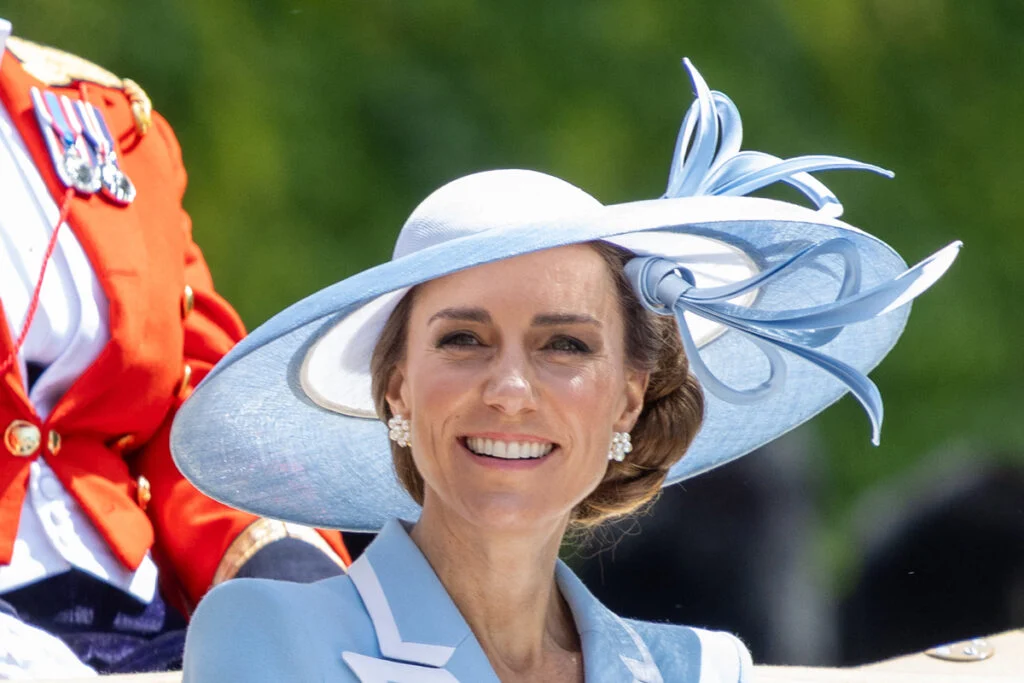

In a profound and deeply personal reflection, Catherine, Princess of Wales, has opened up about her recent battle with cancer, emphasizing the critical role that the natural world played in her journey toward remission. Speaking in a wide-ranging interview with Country Life, the Princess detailed how the rhythms of the environment provided a vital framework for understanding the non-linear nature of her medical recovery. Her insights offer not only a window into the private challenges faced by the Royal Family over the past year but also a broader commentary on the importance of mental health, environmental connection, and the necessity of slowing down in an increasingly digital age.
A Timeline of the Princess’s Health Journey
The Princess’s public health struggle began in early 2024, a period that would become one of the most challenging in recent royal history. On January 16, 2024, Kensington Palace announced that the Princess of Wales had been admitted to The London Clinic for a planned major abdominal surgery. At the time, the procedure was described as successful, though the Palace indicated she would remain in the hospital for 10 to 14 days, followed by a lengthy period of recuperation at home.
The situation evolved significantly in the weeks that followed. Following a period of intense public speculation—heightened by a widely publicized controversy regarding a digitally altered family photograph released for Mother’s Day—the Princess took the extraordinary step of releasing a video message on March 22, 2024. In the address, she revealed that post-operative testing had confirmed the presence of cancer and that she was in the early stages of a course of preventative chemotherapy.
The royal household maintained a policy of discretion throughout the spring and summer, with the Princess largely withdrawing from public duties to focus on her health and her family. In September 2024, the Princess shared the positive news that she had completed her course of chemotherapy. This milestone marked a turning point in her recovery, leading to the announcement in January 2025 that her cancer was officially in remission. Throughout this arduous year, the Princess remained steadfast in her commitment to her family and her personal well-being, often finding solace in the grounds of the royal estates.
The Philosophy of Non-Linear Recovery
Central to the Princess’s interview is her recognition that healing is rarely a straight line. She noted that her medical team provided essential guidance early on, warning her that recovery would involve fluctuations between progress and setbacks.
"I was told in hospital that my recovery would not be linear," the Princess stated. "There will be good days and bad days, that it will take time. This is the same in nature."
By observing the changing seasons, the cycles of growth, and the inevitable dormancy of winter, the Princess found a philosophical parallel to her own health experience. She noted that nature does not demand immediate output or constant growth; rather, it allows for periods of quiet and restoration. This realization helped her manage the psychological pressures of her diagnosis, providing a sense of perspective that she believes is often lost in modern life.
The Role of Nature in Modern Well-being
The Princess’s conversation with nature writer Robert Macfarlane served as a platform to discuss the disconnect between contemporary society and the natural environment. She expressed concern that younger generations, increasingly tethered to screens and digital interfaces, are losing the innate curiosity that defines early childhood development.
Data from the World Health Organization (WHO) and various mental health advocacy groups suggest that the Princess’s concerns are grounded in broader societal trends. Studies have consistently shown that "nature-deficit disorder"—a term popularized by Richard Louv—correlates with higher rates of anxiety, depression, and attention disorders in children. The Princess emphasized that time spent outdoors, such as playing in streams or exploring woodlands, is not merely recreational; it is a foundational element of emotional security.
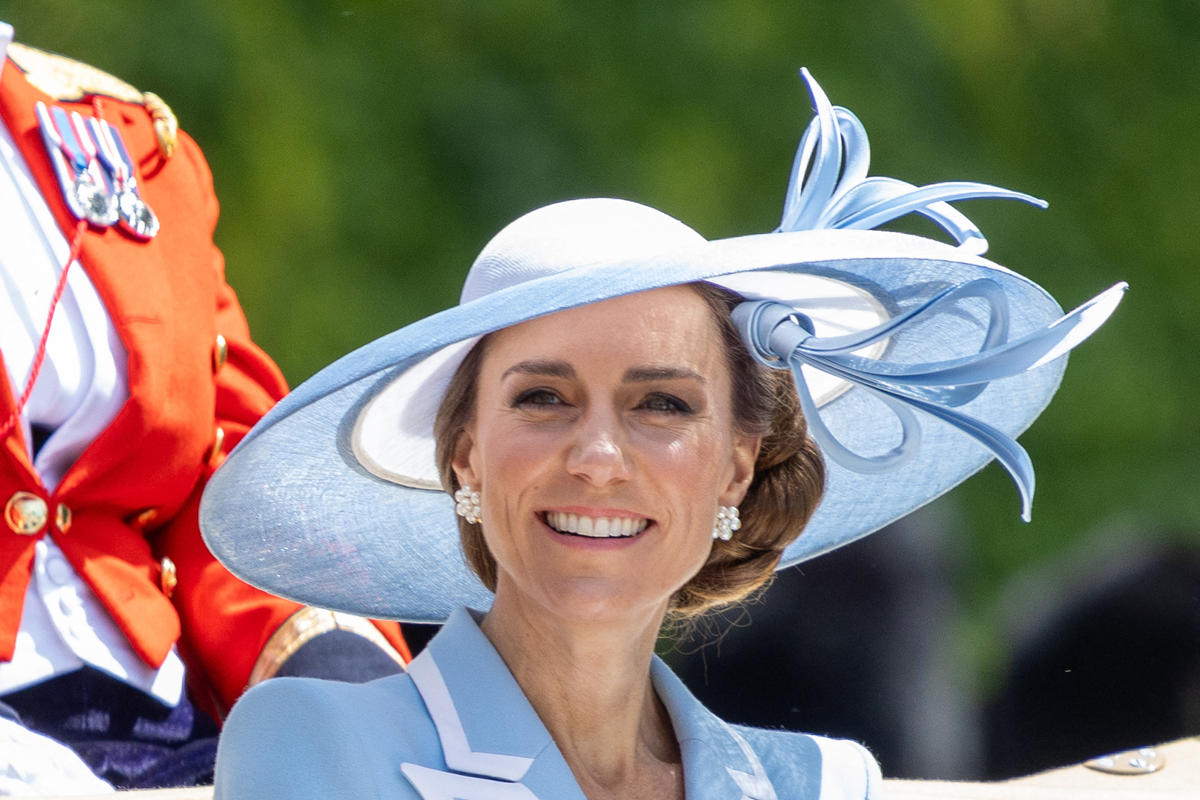
"What worries me is the growing anxiety among children and young people," she observed. "It’s a generation that’s more online and connected to tech than ever before. In this increasingly digital world, I believe it is more important than ever that children grow up with a strong sense of belonging, connection and emotional security."
Implications for Public Health and Community
The Princess’s emphasis on nature as a "quiet teacher" carries implications that extend beyond personal wellness. She highlighted the importance of community-led initiatives that utilize the outdoors to foster connection, specifically citing the organization Mind Over Mountains. This group facilitates walking and outdoor activities to help individuals navigate mental health struggles, underscoring the idea that healing is a collective, rather than purely individual, experience.
By championing these values, the Princess is reinforcing a theme that has been consistent throughout her tenure as a senior royal: the intersection of early childhood development, mental health, and the environment. Her advocacy aligns with the mission of The Royal Foundation, which has long prioritized the importance of the "first five years" of a child’s life.
From an analytical standpoint, the Princess’s willingness to discuss her recovery in the context of environmental philosophy serves to demystify the experience of chronic illness. By normalizing the "bad days" and the need for patience, she provides a template for public discourse that favors resilience and realistic recovery expectations over the performative positivity often seen on social media platforms.
Looking Toward the Future
As the Princess of Wales continues her return to public life, her message remains focused on the power of small, consistent actions. She advocates for a deliberate slowing down, urging individuals to notice the details of their surroundings—the shifting light through the trees or the simple beauty of an outdoor environment.
The medical community has often touted the benefits of "green prescriptions," where doctors recommend time in nature to supplement traditional treatments for stress and physical ailment. The Princess’s public endorsement of this practice adds a high-profile voice to an evidence-based approach to wellness.
The broader implications of her reflection suggest a shift in the royal approach to public engagement: one that is increasingly authentic, vulnerable, and focused on shared human experiences. By sharing her own story of uncertainty and growth, the Princess has provided a measure of comfort to those navigating their own crises, reminding the public that even in the face of significant life challenges, there is strength to be found in the world around us.
The Princess’s recovery, while private, has been monitored with significant public interest. The shift from the intense scrutiny of her diagnosis to the current period of reflection highlights a maturing of the public’s relationship with the Royal Family. As she moves forward, the Princess’s focus on fostering emotional security in children and encouraging communal healing through nature suggests that her future work will remain deeply rooted in these core, human-centric principles.
Ultimately, the interview serves as a reminder that the Princess of Wales, despite her high-profile position, faces the same universal challenges as the public. Her ability to synthesize her medical journey with a broader message about the human condition marks a significant moment in her public life, positioning her as a voice of empathy and wisdom in a rapidly changing world.