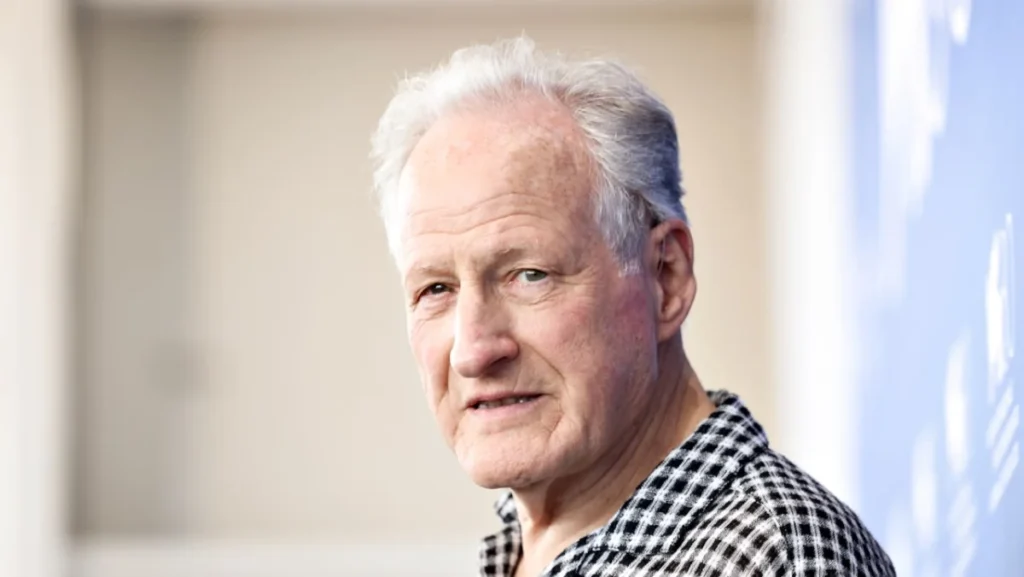

Acclaimed filmmaker Michael Mann, the visionary director behind cinematic staples such as Heat, Collateral, and The Last of the Mohicans, was hospitalized on Saturday afternoon following an accidental self-inflicted gunshot wound at a Los Angeles-area shooting range. The incident, which occurred at The Range LA, has prompted a wave of concern from industry peers and fans alike. According to preliminary reports, the director was engaged in routine firearm practice when a malfunction or handling error occurred during the holstering process, resulting in a discharge that struck him in the leg.
Emergency services were dispatched to the facility located in Los Angeles shortly after 4:00 p.m. local time. Paramedics provided initial medical stabilization on-site before transporting the 83-year-old director to a nearby medical facility. As of this writing, representatives for Mann have not released a detailed statement regarding his condition, though initial reports suggest that his injuries are non-life-threatening.
Chronology of the Incident
The events unfolded on a quiet Saturday afternoon at The Range LA, a popular facility for both civilian enthusiasts and industry professionals who frequent the space for recreational target practice or, in the case of filmmakers, technical research for upcoming projects.
- 3:30 p.m. PST: Mann arrived at the facility. Witnesses at the location indicated that the director appeared to be conducting standard training exercises.
- 4:00 p.m. PST: The incident took place within one of the firing lanes. While attempting to secure his firearm into its holster, the weapon discharged unexpectedly. The sound of the gunshot immediately alerted range safety officers who protocols require to be present or in the immediate vicinity at all times.
- 4:15 p.m. PST: Emergency personnel arrived at the scene. The Range LA suspended operations temporarily to facilitate the investigation and the safe transport of the injured party.
- 5:30 p.m. PST: News of the incident began to circulate through industry trade publications and local media, confirming the identity of the individual involved.
Context and Firearm Safety in Hollywood
Michael Mann is widely regarded in the entertainment industry as a perfectionist, particularly concerning the depiction of firearms, tactical movement, and law enforcement procedures. His films are frequently lauded by military and police experts for their hyper-realistic portrayal of weapon handling. The iconic bank robbery sequence in Heat (1995), for instance, remains a gold standard in cinema for its accurate depiction of reload speeds, tactical positioning, and the kinetic energy of gunfire.
Given his well-documented obsession with procedural accuracy, the news of this accident has struck a chord within the filmmaking community. Critics and industry observers note that even the most experienced individuals—whether they are professional tactical instructors or seasoned directors—are subject to the risks inherent in handling live ammunition.
The incident at The Range LA brings the issue of range safety into sharper focus. According to the National Shooting Sports Foundation (NSSF), while the vast majority of range visits conclude without incident, accidental discharges during holstering or drawing exercises remain a statistically significant cause of non-fatal injuries. The "Rule of Four," which mandates that all shooters treat a firearm as if it is loaded, keep the finger off the trigger until ready to fire, never point the muzzle at anything not intended to be destroyed, and be sure of the target and what is beyond it, serves as the cornerstone of range safety. An error during the "holstering" phase is often cited by safety experts as a moment where the "finger off the trigger" rule is most frequently compromised, particularly under high-stress or repetitive training conditions.
Supporting Data on Firearm Safety
In the United States, accidental firearm discharges at regulated shooting ranges are rare relative to the millions of rounds fired annually. However, data from the Centers for Disease Control and Prevention (CDC) and various safety advocacy groups indicate that "negligent discharge" (ND) incidents often occur during the transition between active shooting and the storage of the weapon.
Statistically, the demographic of shooters aged 65 and older has seen an increase in participation in the last decade. While this group often exhibits high levels of adherence to safety protocols, the physical demands of managing recoil and the dexterity required for rapid holstering can present unique challenges. The incident involving Mann serves as a stark reminder that regardless of one’s background, technical knowledge, or experience, the margin for error when handling live firearms is virtually non-existent.
Official Responses and Industry Sentiment
As of Sunday morning, there has been no formal statement from Mann’s production company, Forward Pass, or his personal publicists. The Range LA has remained largely silent, likely adhering to standard legal procedures that follow any incident occurring on private property. Such facilities typically conduct an internal review of security footage and staff logs to determine if established safety protocols were followed by the patron and the staff.
Within the Hollywood community, the response has been one of collective well-wishing. Several actors who have worked under Mann’s direction—known for his grueling and rigorous "boot camp" style preparations for his leads—have expressed shock at the news. Many have highlighted the director’s emphasis on safety on his own sets, where professional armorers and range masters are employed to oversee every shot fired during production.
Broader Implications for the Director and the Industry
The immediate question facing the industry is how this incident might affect Mann’s upcoming slate of projects. Mann, who recently directed the 2023 film Ferrari, has remained active and highly engaged with various developmental projects. Production schedules in Hollywood are notoriously rigid, and any period of recovery for a director—especially one as hands-on as Mann—could lead to shifts in pre-production timelines.
Beyond the logistical concerns, this incident may catalyze a broader conversation about the culture of firearm training in the arts. For decades, directors like Mann have helped normalize the use of firearms as a tool of the trade. If a filmmaker of his caliber can suffer a mishap, it reinforces the necessity for even more stringent safety standards on film sets and during the personal training sessions that actors and directors undergo to prepare for their roles.
Furthermore, this event highlights the distinction between the "cinematic" handling of firearms and the "pragmatic" handling required in reality. In film, guns are often treated as narrative devices, whereas at a range, they are dangerous mechanical tools. The blurring of these lines is something that safety unions, such as IATSE and various stunt coordinator guilds, have consistently worked to mitigate through rigorous on-set safety certifications.
Conclusion
The accident involving Michael Mann is a developing story that underscores the unpredictability of handling high-powered equipment. While his status as a legendary director brings international attention to the event, the underlying narrative is a universal one: the necessity of vigilance. As the medical community in Los Angeles manages his recovery, the broader industry will likely look toward the results of the official investigation at The Range LA to understand the specific mechanical or human factors that led to the discharge.
For now, the focus remains on the director’s health and the hope for a swift recovery. The incident serves as a sobering reminder that in the world of high-stakes filmmaking, as in life, safety protocols are not merely suggestions but the essential framework upon which all professional and recreational activity must rely. As investigations continue, the film community awaits further updates, keeping a watchful eye on the well-being of one of its most enduring and influential figures.