
The intersection of Latin pop, hip-hop, and contemporary R&B has once again captured the global entertainment spotlight, centered around an unfolding narrative involving three of the music industry’s most prominent figures: Drake, Karol G, and Bruno Mars. What began as a series of high-profile concert appearances and social media interactions has quickly evolved into a captivating public spectacle, prompting widespread speculation across digital platforms regarding whether these synchronized promotional maneuvers are precursors to a historic, cross-genre collaborative project.
While industry insiders and representatives have characterized the playful public exchanges as mutual admiration among peers, the precise timing and execution of these events suggest a sophisticated, highly coordinated rollout strategy. As fans and analysts dissect every digital footprint left by the trio, the episode highlights the changing landscape of modern music marketing, where personal branding, spontaneous live collaborations, and cinematic music videos seamlessly blend to drive consumer engagement to unprecedented heights.
The Chronology of Events: From Houston to Los Angeles
The sequence of events that ignited the current wave of speculation began to unfold in late summer, establishing a clear timeline of strategic interactions between the artists.
In August, Karol G released her critically acclaimed studio album, No Me Arrepiento de Sentir Tanto, a project that featured high-profile guest contributions from both Bruno Mars and Drake. Mars lent his distinct vocals to the track "Still," which subsequently achieved commercial success by peaking at No. 41 on the Billboard Hot 100. To celebrate the release, Mars made a surprise appearance at Karol G’s Aug. 15 concert at SoFi Stadium in Los Angeles, treating the sold-out crowd to the live debut of "Still" alongside a rendition of his own hit "Risk It All."
Weeks later, the dynamic shifted toward hip-hop when Drake made a surprise appearance at Karol G’s Houston concert on a Sunday evening. The Canadian rapper joined the Colombian superstar on stage at Reliant Stadium, where they delivered a passionate live performance of their collaborative track "Ah," which had previously peaked at No. 44 on the Billboard Hot 100 and claimed the top position on the Hot Latin Songs chart in August. During the performance, Drake also treated the audience to a rendition of his 2016 Billboard Hot 100 No. 1 hit, "One Dance," sharing an energetic and intensely publicized dance with Karol G.
The public momentum accelerated sharply mid-week when Bruno Mars, ostensibly responding to the viral footage of Drake and Karol G in Houston, took to Instagram from the cabin of a private jet. Posting a photograph overlooking a sea of clouds, Mars jokingly vowed to reclaim his position in the narrative and "win Karol G back."
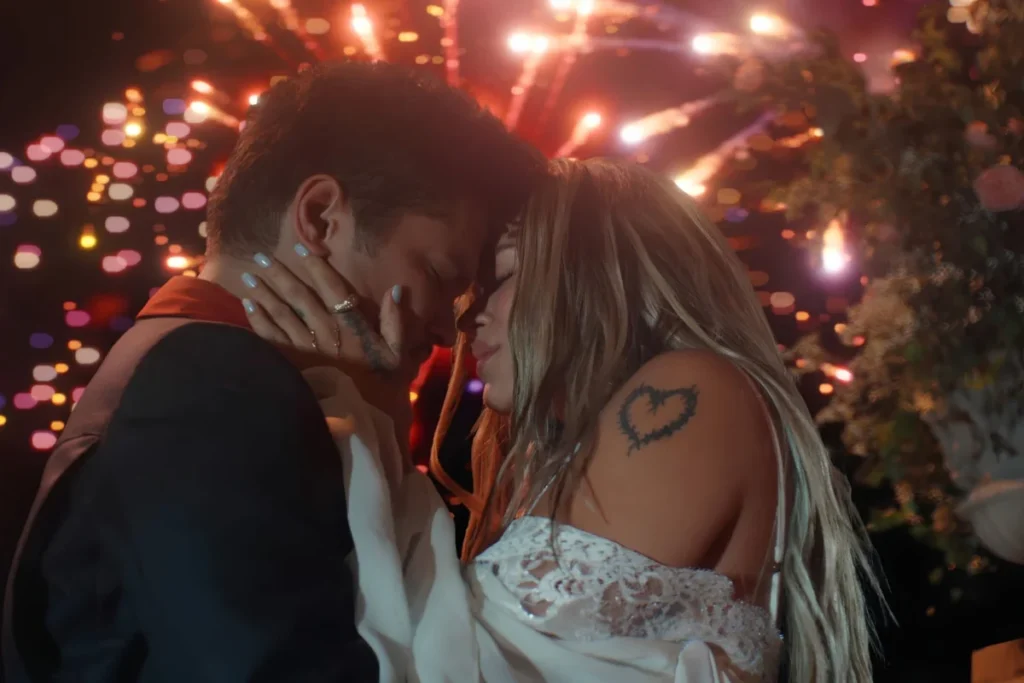
The playful rivalry culminated on Thursday with the official release of the romantic music video for "Dance With Me," featuring Mars and Karol G as star-crossed lovers. The cinematic visual immediately generated millions of views and widespread social commentary, prompting Drake to weigh in publicly via Instagram with a lighthearted quip: "Holy this guy works fast." Within 24 hours, Drake’s comment amassed tens of thousands of likes, while Mars’ original post surpassed one million interactions.
Analyzing the Star Power and Chart Impact
The confluence of these three artists represents a formidable concentration of global commercial viability. Each performer commands a massive, highly engaged international fanbase across multiple streaming ecosystems, making any intersection of their careers a major economic and cultural event.
Drake remains one of the most streamed artists in the history of recorded music, consistently dominating the Billboard charts with a historic catalog of rap and pop anthems. His ability to effortlessly bridge hip-hop with Latin rhythms has been a defining characteristic of his recent commercial output, evidenced by his successful integration into the Latin music market through collaborations with artists like Bad Bunny and Karol G.
Karol G, meanwhile, stands at the absolute vanguard of the global Latin music explosion. As a multi-Latin Grammy Award-winning powerhouse, she has continually broken attendance and streaming records, successfully transitioning from regional stardom to a dominant global pop icon. Her willingness to cross musical boundaries—partnering with English-language superstars like Mars and Drake—underscores her strategic positioning as a truly global artist.
Bruno Mars brings legendary showmanship and an unparalleled track record on the Billboard Hot 100, with multiple diamond-certified singles and a reputation for meticulous artistic direction. His recent creative output, characterized by retro-infused pop and R&B sensibilities, provides a distinct sonic contrast to Drake’s melodic rap and Karol G’s reggaeton-rooted cadence.
A Unified Strategy or Elaborate Marketing Ploy?
Music industry analysts have noted that the rapid-fire succession of surprise stage appearances, high-concept music videos, and self-aware social media commentary bears all the hallmarks of a masterclass in modern digital marketing. By framing their professional partnership within the narrative framework of a public "love triangle," the artists successfully transformed the standard album and single promotion cycle into an interactive, serialized entertainment event.
In his heartfelt Instagram caption accompanying the release of the "Dance With Me" video, Bruno Mars praised Karol G’s relentless work ethic and artistic vision, referring to her as the "Juliet" to his Romeo and describing their creative journey as a "high drama telenovela." This meta-narrative approach allows the performers to lean into the pop-culture machinery while maintaining complete creative control over their public image.
Broader Implications for Cross-Genre Collaboration
The ongoing dynamic between Drake, Karol G, and Bruno Mars illustrates a broader, accelerating trend within the contemporary music industry: the systematic dismantling of traditional genre boundaries. As streaming platforms flatten geographical and stylistic divisions, listeners increasingly demand fluid, cross-cultural collaborations that unite disparate musical worlds.
Historically, major American pop and hip-hop acts rarely integrated into the Latin market with such sustained frequency and genuine artistic integration. The success of tracks like "Still" and "Ah," combined with high-production visual storytelling, signals a permanent shift toward truly globalized pop music production.
Whether this playful triangle ultimately culminates in an unprecedented joint recording featuring all three superstars remains to be seen. However, the cultural and commercial success of their individual crossovers has already established a new benchmark for how major artists can leverage shared narratives, mutual respect, and digital engagement to captivate a worldwide audience. As the storyline continues to unfold across social media and the charts, the industry watches closely to see what act these three titans will stage next.