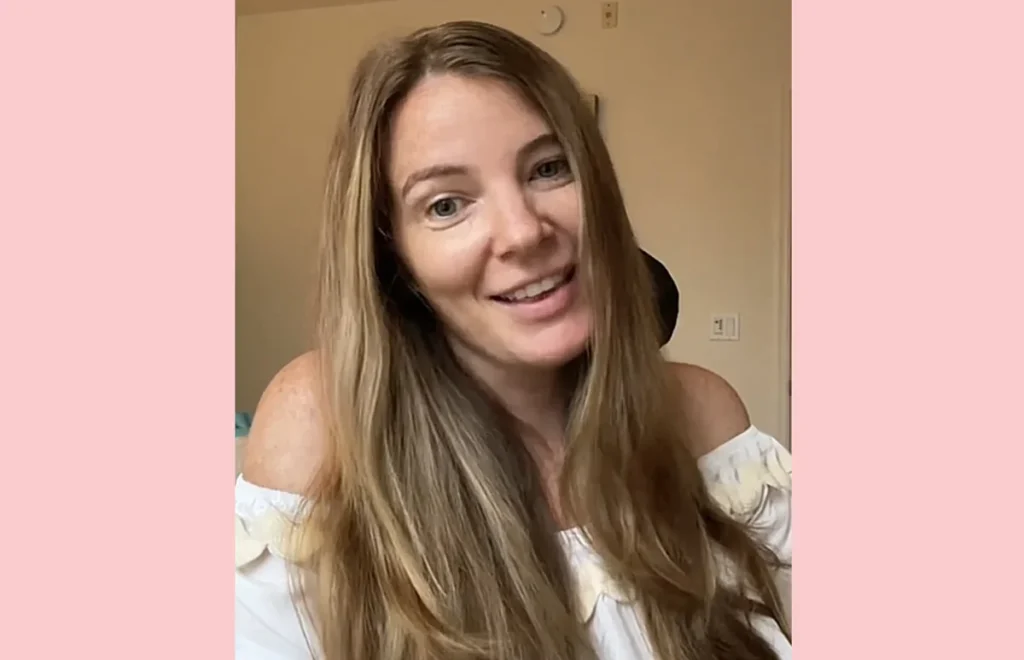

The digital community and the medical advocacy sphere are mourning the loss of Brooke Eby, a prominent content creator who leveraged her social media presence to demystify Amyotrophic Lateral Sclerosis (ALS), a progressive neurodegenerative disease. Eby, known to her followers on TikTok as @limpbroozkit, died at age 37, leaving behind a legacy characterized by her unapologetic transparency regarding the terminal illness and her tireless efforts to foster community among fellow patients.
The ALS Network, a leading organization in the fight against the disease, issued a formal statement expressing deep sorrow, characterizing Eby as an extraordinary storyteller and a pioneer in patient-led advocacy. Her death marks a significant loss for the ALS community, which has long struggled with public perception and the isolation inherent to the diagnosis.
A Chronology of Advocacy and Resilience
Brooke Eby’s journey with ALS began long before she reached the broader public consciousness. After first noticing physical symptoms at the age of 29, she spent several years navigating the complex healthcare landscape to arrive at a definitive diagnosis. It was not until she was 33 that she was officially diagnosed with ALS.
Following her diagnosis, Eby made the pivotal decision to utilize her background in communication to document her life. Rather than adhering to the somber, traditional tone often associated with terminal illness reporting, Eby adopted a style that was irreverent, humorous, and deeply candid. Her TikTok channel served as an "unfiltered window" into the progression of the disease, effectively breaking down the stigma that often prevents younger patients from speaking openly about their condition.
In the years following her diagnosis, Eby successfully transitioned from a personal content creator to a key figure in ALS activism. She utilized her platform to highlight the systemic failures within the healthcare system, including the ongoing struggle for patients to secure insurance coverage for necessary life-sustaining treatments—a hurdle she frequently discussed with her audience.
The Significance of ALStogether
One of Eby’s most tangible contributions to the medical community was the founding of ALStogether, an online peer-support platform hosted on Slack. Recognizing that the rarity of ALS often leads to physical and social isolation, Eby built a digital space designed to connect patients globally.
The platform allowed those living with the disease to share practical advice on navigating mobility aids, communication devices, and the psychological burden of a terminal prognosis. By bridging the gap between clinical care and peer support, Eby provided a lifeline for individuals who felt abandoned by standard support networks. The success of ALStogether underscores a growing trend in patient-led digital health initiatives, where social media influencers are filling gaps left by traditional healthcare infrastructure.
Understanding ALS: A Medical Context
Amyotrophic Lateral Sclerosis, often referred to as Lou Gehrig’s disease, is a rare nervous system disease that causes muscle weakness and impacts physical function. According to the ALS Association, the disease affects approximately 30,000 people in the United States at any given time. While the average age of onset is typically between 55 and 75, cases like Eby’s—where symptoms emerge in the late 20s—highlight the reality that the disease can strike at any stage of adulthood.
The progression of the disease involves the death of motor neurons in the brain and spinal cord, eventually leading to the loss of muscle control, speech, and respiratory function. There is currently no cure for ALS, and treatment protocols are largely focused on managing symptoms and improving the quality of life. Eby’s public documentation of her own deterioration provided millions of viewers with a rare, honest look at the clinical reality of the disease, moving the conversation beyond scientific data and into the realm of human experience.
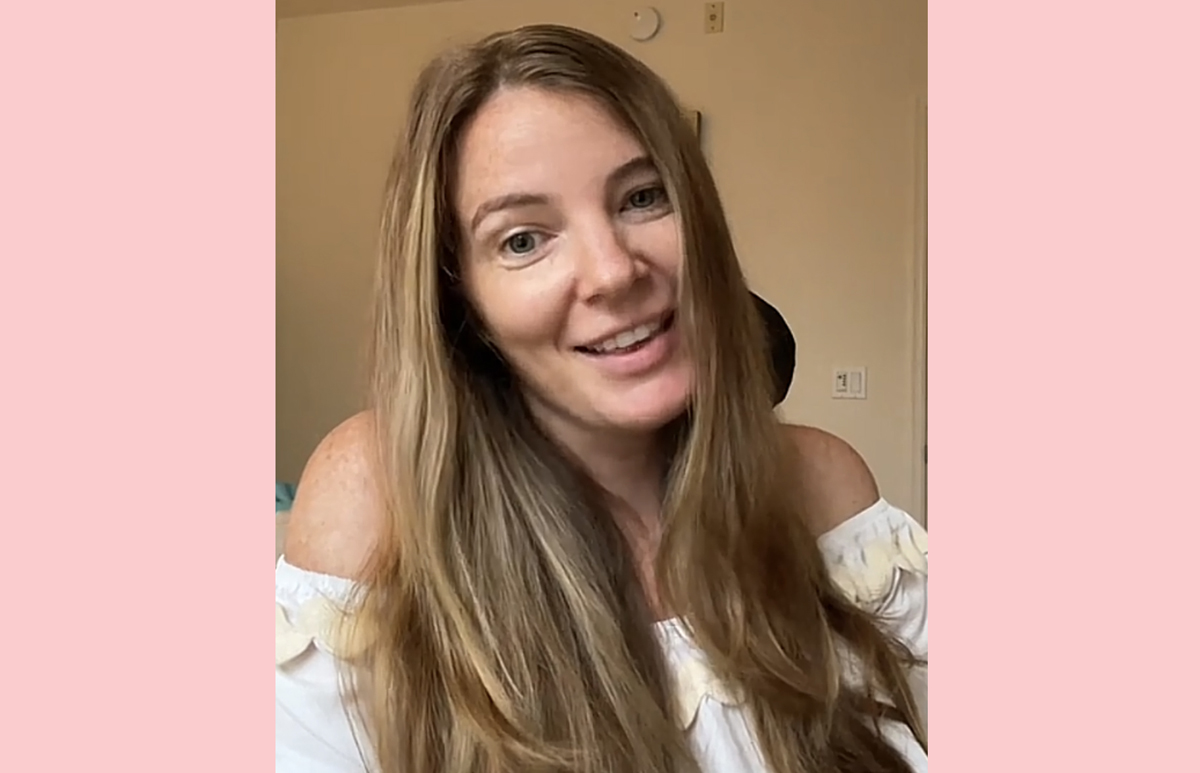
Official Responses and Industry Recognition
Sheri Strahl, President and CEO of the ALS Network, issued a statement reflecting on the profound influence Eby exerted within the advocacy sector. "Brooke did not just change the way people see ALS; she changed the way people living with ALS find and support one another," Strahl noted. The organization’s tribute highlights that Eby’s impact was not merely academic or awareness-based, but structural, as she fostered a community that will continue to provide support in her absence.
The medical community has also recognized the importance of Eby’s work in helping to humanize the patient experience. By challenging common misconceptions—such as the idea that ALS is an "old person’s disease"—Eby’s advocacy helped garner increased attention for research funding and legislative action regarding medical accessibility. Her public documentation of the difficulties in obtaining insurance coverage served as a catalyst for broader discussions on the necessity of health insurance reform for those with terminal conditions.
The Broader Implications of Influencer-Led Activism
Brooke Eby’s death highlights a shifting paradigm in health advocacy. In the past, medical awareness campaigns were largely top-down, driven by institutional organizations and traditional media. Eby’s influence demonstrates the power of bottom-up advocacy, where individual patients utilize short-form video content to create massive shifts in public understanding.
The "influencer-patient" model, as exemplified by Eby, presents several implications for the future of healthcare communication:
- Accessibility of Information: By translating complex medical concepts into accessible, relatable content, Eby reached a demographic that traditional brochures and institutional websites often fail to engage.
- Destigmatization: Through her humor and vulnerability, she dismantled the pity-centered narrative often applied to terminal illness, demanding that patients be seen as full, complex individuals rather than just "cases."
- Community Building: The shift from passive awareness (e.g., donating to a cause) to active participation (e.g., joining an online support network) represents a move toward more sustainable patient advocacy.
Looking Toward the Future
As the medical and social media communities mourn, the question of what happens to the networks Eby created remains paramount. Supporters of her work have noted that the infrastructure she built—specifically ALStogether—provides a template for how future patient communities can be organized.
Furthermore, Eby’s legacy serves as a stark reminder of the urgent need for medical breakthroughs. Despite the increase in public awareness generated by social media figures, the clinical reality for ALS patients remains grim. The medical establishment is currently under pressure to accelerate the development of disease-modifying therapies, a goal that Eby herself championed until her final days.
For many who followed her journey, Eby was more than an advocate; she was a beacon of resilience. Her refusal to be silenced by a terminal diagnosis encouraged a new generation of patients to claim agency over their stories. Whether she was documenting the reality of a "Get Ready With Me" (GRWM) video while managing medical equipment or explaining the nuanced difficulties of her daily routine, she maintained an authenticity that is rare in the curated world of social media.
In the wake of her passing, the ALS Network and other organizations are urging the public to continue the work she started. This includes not only providing financial support for research but also advocating for policy changes that remove barriers to care for those suffering from neurodegenerative diseases.
Brooke Eby’s life and work represent a transformative moment in health communication. By turning her personal struggle into a public platform, she successfully shifted the needle on how the world understands the human experience of terminal illness. While she is no longer here to share her story, the community she built and the awareness she raised remain as a testament to her enduring spirit. Her death is a profound loss, but her impact will continue to inform the way society approaches the intersections of digital influence, patient advocacy, and medical care for years to come.