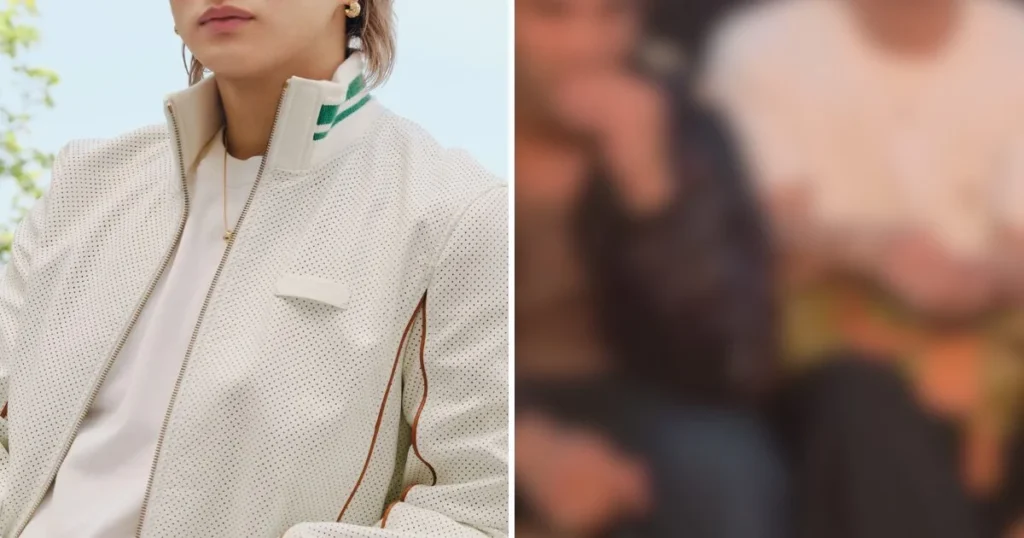

The intersection of high fashion, global celebrity culture, and international fandom often produces moments of intense scrutiny, where every gesture captured on camera is analyzed by millions. This dynamic was starkly illustrated during a recent high-profile runway presentation in the French capital, drawing sharp backlash from online communities across Asia and the West alike.
Japanese pop icon and Number_i member Hirano Sho found himself at the center of a burgeoning online controversy following an appearance at a major Louis Vuitton event during Paris Fashion Week. While front-row seating arrangements at premier fashion shows are meticulously planned to showcase brand ambassadors and global influencers side by side, spatial etiquette and interpersonal dynamics captured on video quickly overshadowed the sartorial displays. Netizens and dedicated fanbases swiftly mobilized across social media platforms after clips circulated depicting Australian actor Josh Heuston engaging in behavior deemed discourteous toward the Japanese entertainer. The incident has since ignited a broader conversation regarding cross-cultural etiquette, personal space, and the responsibilities of public figures attending global media events.
Incident Overview at the Louis Vuitton Showcase
Paris Fashion Week consistently serves as a global gathering point for A-list celebrities, musicians, actors, and fashion icons. Brands carefully curate their front rows to maximize media visibility, placing high-value ambassadors in positions of prominence. For this particular Louis Vuitton presentation, Hirano Sho—a prominent Japanese idol and member of the music group Number_i—attended as a recognized representative of luxury fashion, drawing immense attention from both local press and international supporters.
Seated alongside Hirano was actor Josh Heuston, known for his television and streaming roles. As the event progressed, several attendees and fan-recorded videos captured moments of physical friction between the two public figures. Specifically, video footage highlighted Heuston adopting a wide-legged sitting posture, commonly referred to as "manspreading," which visibly encroached upon the shared seating boundary. Furthermore, clips documented instances where the actor extended his arms and reached across the immediate personal space of Hirano without apparent acknowledgment or communication. Additional reactions from the Japanese idol suggested discomfort regarding spatial intrusion and atmospheric conditions near his seat.
As these recordings spread rapidly across platforms such as X (formerly Twitter), viewers began dissecting the micro-expressions and body language of both individuals. Hirano, typically known for his composed and polite public demeanor, appeared visibly constrained by the lack of courtesy extended by his neighbor. The visual contrast between the idol’s restrained discomfort and the actor’s expansive posture galvanized digital communities, transforming a routine celebrity placement into an international social media flashpoint.
Chronology of the Controversy and Viral Spread
The timeline of the incident began during the live-streamed and attended hours of the Louis Vuitton Paris Fashion Week showcase. As photographers and fan cameras recorded the front row, the initial interactions between Heuston and Hirano went largely unnoticed inside the venue due to the ambient noise and fast-paced environment of the fashion presentation.
However, within hours of the event concluding, fan-uploaded clips began circulating within Japanese fan communities. The initial wave of posts focused on Hirano’s apparent discomfort, prompting followers to examine the seating arrangement more closely. By the following morning, secondary and tertiary video angles uploaded by international observers provided clearer views of Heuston’s posture and physical movements.
The narrative quickly shifted from local fan concern to international outrage as English-speaking fanbases of both K-pop and J-pop culture amplified the footage. Translations of Japanese fan commentary merged with Western observations, creating a unified critical response. Within 24 hours, hashtags related to the incident trended across multiple regions, accumulating millions of impressions, quote-tweets, and replies demanding greater baseline respect for international ambassadors attending global fashion circuits.
Public Reaction and Fan Sentiment
The digital response was swift, characterized by widespread condemnation of the actor’s perceived lack of manners. International and domestic supporters alike criticized the spatial disrespect exhibited during the event. Commentators highlighted the universal expectation of basic courtesy in shared public spaces, noting that high-profile individuals are expected to maintain professional awareness, particularly when seated next to international representatives.
Prominent fan accounts and independent social media users voiced frustration over the apparent lack of consideration. One widely shared post from an international observer remarked on the physical intrusion, stating that raising arms and spreading legs directly in front of another person’s face violated basic standards of personal space. Another user pointedly criticized the actor’s perceived ego, contrasting the unpretentious reputation of the Japanese idol with the discourteous behavior observed on camera.
Many comments also expressed surprise at seeing Hirano visibly perturbed, noting that the performer rarely exhibits public annoyance. This departure from his usual media-trained composure served as further confirmation to fans that the boundary violation was significant enough to register visibly during a high-pressure public appearance. Conversely, defenders or neutral observers of the event noted the cramped nature of front-row fashion seating, though this argument found little traction against the overwhelming volume of criticism regarding physical boundaries and non-verbal communication.

Broader Implications for Celebrity Seating and Brand Events
Incidents of this nature underscore the logistical and social complexities inherent in modern fashion week productions. Front rows are notoriously tight, designed primarily for photographic angles rather than ergonomic comfort. Brands invest heavily in the seating matrix, pairing actors, athletes, and musicians from diverse cultural backgrounds who may have varying interpretations of personal space, etiquette, and social norms.
When cultural or interpersonal friction occurs on camera, it poses reputational risks not only to the individuals involved but also indirectly to the hosting luxury houses. Ambassadors and invited guests serve as extensions of the brand’s image during these live-broadcasted spectacles. Consequently, any breach of professional decorum can quickly distract from the primary objective of the event: the presentation of the designer’s new collection.
Moreover, the speed at which fan communities analyze and amplify such moments demonstrates the immense power of digital fandoms in policing the treatment of their preferred artists. In an era where micro-interactions are scrutinized frame-by-frame, public figures face heightened accountability regarding their physical conduct in shared environments. Whether attending a music award ceremony, a press conference, or a fashion runway, international stars are perpetually under the microscope, where minor lapses in spatial awareness can rapidly escalate into international controversies.
As the discussion surrounding the Paris Fashion Week showcase continues to evolve online, neither the representatives of Hirano Sho nor Josh Heuston have issued formal statements addressing the viral commentary. Nevertheless, the incident remains a salient example of how global digital networks transform localized front-row discomfort into widespread cultural discourse, emphasizing the enduring necessity of cross-cultural awareness and interpersonal respect in the public eye.