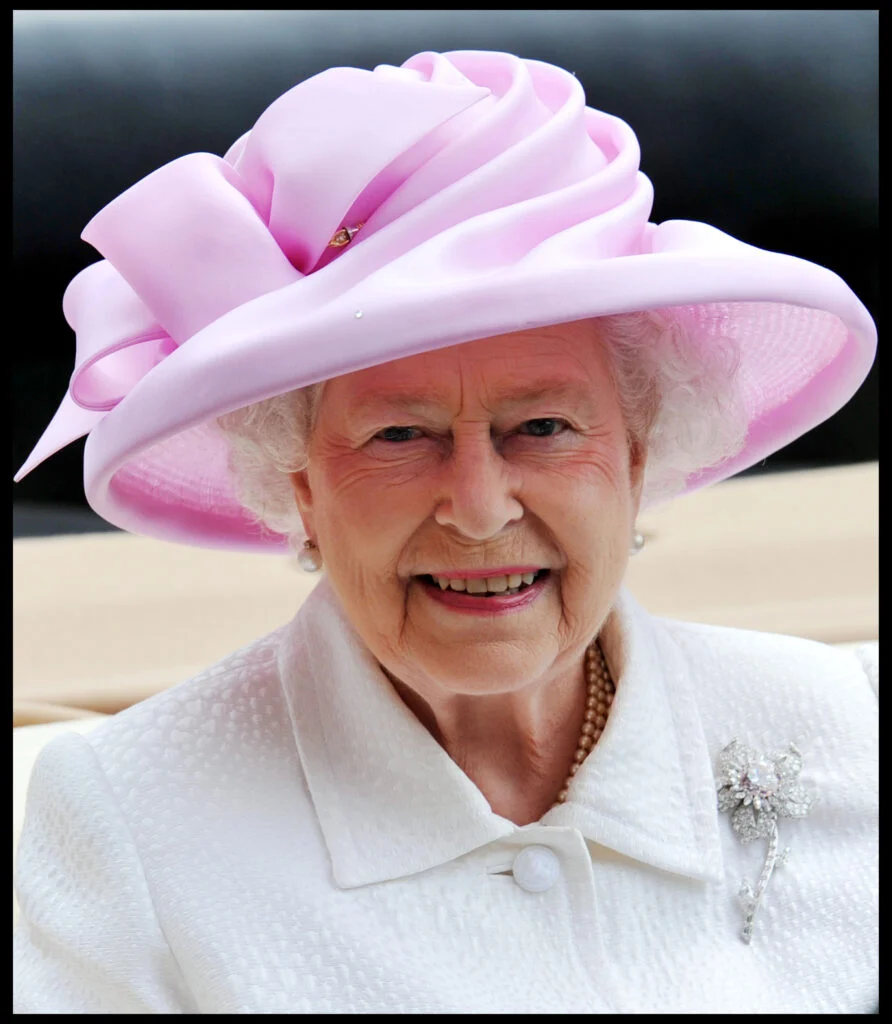

Buckingham Palace is reportedly on alert following revelations that television and film producers have devised a creative workaround to chronicle the private world of the late Queen Elizabeth II. The project, a forthcoming dramatic feature film tentatively titled Trouble, is set to explore the deeply personal and influential relationship between the late monarch and her longtime dresser, confidante, and close companion, Angela Kelly. By framing the narrative as a fictionalized drama rather than a conventional documentary, the filmmakers have successfully sidestepped stringent royal confidentiality protocols, opening the door for an unflinching cinematic portrayal of life inside the royal household during some of its most turbulent modern years.
The strategic pivot from documentary to dramatic fiction has significant legal and operational implications for the British monarchy. While a factual documentary featuring direct interviews with Angela Kelly would have been bound by strict non-disclosure agreements, privacy expectations, and palace oversight, a scripted feature film enjoys considerable creative license. Marketed under the ubiquitous disclaimer of being "inspired by true events" or "based on true stories," the film will inherently blur the boundaries between verified historical record and dramatic embellishment. This gray area has understandably caused unease within official circles, as the project promises to dramatize high-stakes domestic and institutional events witnessed from the unique vantage point of the Queen’s private dressing room.
The Creative Force and Production Details
According to reports initially broken by journalist Richard Eden of The Daily Mail, the high-profile screenplay has been commissioned by Fox Searchlight. The project has secured the talents of acclaimed BAFTA-winning writer Jeremy Brock, whose impressive cinematic track record includes penning critically lauded biographical dramas such as The Last King of Scotland and Mrs. Brown. Brock’s agent, Charlotte Knight, confirmed to the press that the writer has been officially tasked with crafting an original screenplay examining the profound, multi-decade friendship that developed between Queen Elizabeth II and her chief dresser.
While Fox Searchlight has kept specific casting choices, production schedules, and release dates tightly under wraps, the involvement of a writer of Brock’s caliber signals that the studio intends to approach the subject matter with psychological depth and narrative sophistication. Rather than a superficial tabloid exposé, the film is expected to focus on the intimate, human dimensions of two women from vastly different backgrounds whose lives became inextricably linked over the course of decades of dedicated public service.
A Unique Relationship Built Behind Palace Doors
To understand the sensitivity of the forthcoming film, one must examine the extraordinary nature of Angela Kelly’s tenure within the Royal Household. Appointed as the Queen’s senior dresser in 2002, Kelly quickly ascended from a traditional wardrobe assistant to one of the most trusted figures in the sovereign’s inner circle. Her role extended far beyond the fitting rooms and historical state wardrobes; she became a gatekeeper, advisor, and emotional anchor for Elizabeth II, particularly during her later years.
Kelly’s proximity to the monarch was virtually unprecedented for a member of the royal staff. Not only was she responsible for designing and executing many of the Queen’s most iconic outfits—including the striking primrose yellow ensemble worn at the 2011 wedding of Prince William and Catherine Middleton—she was famously entrusted with breaking in the monarch’s new leather shoes to ensure optimal comfort during arduous public engagements.
In recognition of her extraordinary loyalty and service, Elizabeth II took the rare step of granting Kelly special privileges, including permission to reside in a grace-and-favour home on the Windsor Castle estate and the unprecedented authorization to write two behind-the-scenes books detailing her royal experiences. However, following the death of Queen Elizabeth II in September 2022, Kelly’s official employment within the Royal Household concluded, and subsequent arrangements saw her vacate her Windsor residence, setting the stage for her eventual separation from the institutional apparatus of the crown.
Navigating the Turbulent Twilight Years of a Historic Reign
The narrative scope of Trouble covers a period of profound historical significance and institutional pressure. As a permanent fixture in the royal household, Angela Kelly was an eyewitness to the complex final chapters of the longest-reigning monarch in British history. Her daily interactions placed her at the epicenter of the sovereign’s private life during a time when the House of Windsor faced a relentless succession of high-profile crises.
Among the sensitive matters likely to be touched upon in the film are the intense institutional challenges surrounding Prince Andrew, Duke of York, and the severe reputational fallout from his association with convicted sex offender Jeffrey Epstein, which ultimately led to the stripping of his military titles and royal patronages. Furthermore, the narrative intersects with the unprecedented turbulence generated by the decision of Prince Harry and Meghan Markle to step down as senior working royals in 2020, an event that triggered deep-seated familial rifts and intense global media scrutiny.
Because Kelly occupied a space of absolute trust, her perspective—whether filtered through the lens of dramatic license or rooted in historical reality—offers a compelling narrative arc for filmmakers seeking to examine how an aging monarch maintained her constitutional equilibrium while navigating immense personal and familial strain.
Official Silence and Institutional Implications from Buckingham Palace
To date, Buckingham Palace has maintained a strict policy of public silence regarding the development of Fox Searchlight’s project. Representatives for the royal household have declined to comment on the film, adhering to a long-standing institutional strategy of neither confirming nor denying rumors surrounding biographical film and television productions.
This calculated silence reflects the monarchy’s cautious relationship with popular culture, particularly following the global phenomenon of Netflix’s prestige drama The Crown. While earlier royal projects were often treated with casual indifference by palace officials, the immense cultural footprint of modern biographical dramas has forced the institution to adopt a more guarded posture. When historical events, private conversations, and domestic dynamics are reimagined for mass consumption, the lines between public perception and historical truth frequently blur, posing unique communication challenges for the sovereign’s press office.
Legal analysts point out that because the film is being produced as a work of dramatic fiction rather than a documentary, Buckingham Palace has virtually no legal recourse to block its production or censor its content, provided the narrative does not cross into actionable defamation or violate explicit, binding statutory laws. The clever utilization of "dramatic interpretation" effectively shields the studio from traditional journalistic accountability while retaining the magnetic commercial appeal of a ripped-from-the-headlines royal story.
The Broader Impact on Royal Media Portrayals
The greenlighting of Trouble marks a significant milestone in the evolving ecosystem of royal media representation. For generations, depictions of the British royal family in cinema and television tended to focus on distant historical figures—such as Queen Elizabeth I, King Henry VIII, or Queen Victoria—where the passage of time provided a comfortable buffer for creative interpretation.
In recent decades, however, the appetite for contemporary royal drama has grown exponentially. The success of projects chronicling the reign of Queen Elizabeth II demonstrates that global audiences are intensely fascinated by the modern machinery of the monarchy and the psychological realities of those who inhabit its inner sanctums. By focusing the lens on an everyday working staff member who achieved extraordinary proximity to power, Fox Searchlight is pioneering a fresh narrative angle that prioritizes the servant’s-eye view over traditional aristocratic perspectives.
As production on Trouble moves forward, industry observers anticipate that the project will ignite renewed public debate regarding privacy, confidentiality, and the ethics of dramatizing the lives of real people who have only recently departed the public stage. For Buckingham Palace, the film serves as yet another reminder that controlling the narrative of the modern monarchy is an increasingly complex task in an era dominated by prestige television and cinematic storytelling. Whether the film ultimately offers a sympathetic portrait of devotion or a probing examination of institutional strain, its very existence guarantees that the private world of Queen Elizabeth II will remain a vibrant, contested space in the cultural imagination for years to come.