
The intersection of global celebrity culture and localized internet phenomena has produced one of the more unexpected digital trends of the year, culminating in reality television matriarch Kris Jenner being officially crowned "Lady Luck" by her own daughter. During a high-profile journey to mainland China, SKIMS founder Kim Kardashian publicly leaned into the viral meme that has transformed her mother into an internet-wide symbol of prosperity, wealth, and good fortune across major Asian social media platforms. The moment highlights not only the boundless reach of digital culture but also the Kardashian-Jenner family’s acute awareness of how to navigate, acknowledge, and capitalize on organic internet moments.
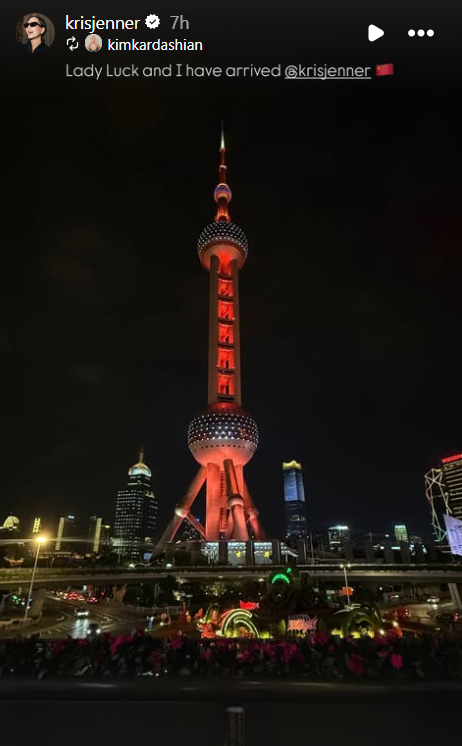
The international trip served as the backdrop for Kardashian to validate a meme that originally captivated millions of users earlier this year. Sharing a late-night update with her hundreds of millions of Instagram followers, Kardashian posted a striking photograph of Shanghai’s iconic Oriental Pearl TV Tower illuminated in a vibrant red hue. Across the image, she penned the caption, "Lady Luck and I have arrived @krisjenner." The gesture was instantly recognized by internet sleuths and fans alike as a direct nod to the digital folklore that has positioned the 70-year-old businesswoman as a modern deity of fortune. Demonstrating her willingness to participate in the joke, Jenner promptly reshared the story to her own massive audience, solidifying the playful dynamic between mother and daughter.
The Genesis of Lady Luck: How Kris Jenner Conquered Chinese Social Media
The phenomenon known as "Lady Luck" did not emerge overnight; rather, it represents a fascinating case study in cross-cultural digital humor. In March, users across popular Chinese social media ecosystems—including RedNote (Xiaohongshu), Weibo, and Douyin—began sharing images of Kris Jenner as an ironic yet earnest good-luck charm. Gen Z netizens quickly adopted the Kardashian-Jenner matriarch as their digital patron saint of success, deploying her likeness to manifest academic achievements, career promotions, financial windfalls, and general life victories.
The trend evolved rapidly from simple image-sharing into a sophisticated subculture of digital worship. Fans began generating artificial intelligence-altered images, artistic renderings, and custom profile pictures featuring Jenner surrounded by traditional symbols of wealth and prosperity. The humor was rooted in the juxtaposition of Western reality television culture with traditional practices of seeking fortune, creating a viral loop that transcended language barriers. Jenner herself previously leaned into the hysteria, publicly responding to the wave of adulation by deploying her iconic catchphrase, "You’re ALL doing amazing, sweetie!"
For a family that has spent nearly two decades meticulously constructing a global multimedia empire, the emergence of the Lady Luck persona represents a rare type of organic internet fame—one driven entirely by the grassroots creativity of international users rather than a traditional public relations campaign. Recognizing the momentum, Kim Kardashian previously joked about officially becoming her mother’s manager as the unexpected wave of digital adoration continued to break records and generate millions of impressions worldwide.
Chronology of Events: From Digital Manifestation to International Recognition
The timeline of Kris Jenner’s transformation into Lady Luck underscores the rapid velocity of modern internet trends, moving from niche digital communities to mainstream international recognition:

- Early March: Chinese social media platforms, particularly RedNote and Weibo, witness an influx of posts featuring Kris Jenner’s image repurposed as a digital talisman for wealth and success.
- Mid-March: The trend gains substantial traction among Gen Z users, leading to the creation of AI-generated portraits and widespread adoption of Jenner as a profile picture symbol representing good fortune.
- Late March: Kris Jenner publicly acknowledges the viral movement, embracing the moniker with her trademark humor and referencing her well-known television catchphrases.
- Spring and Summer: The meme solidifies its place in global pop culture lexicon, frequently referenced by digital creators and pop culture analysts as a prime example of cross-cultural internet phenomena.
- Fall: Kim Kardashian and Kris Jenner embark on a trip to China, providing the physical context for Kardashian to formally use the "Lady Luck" moniker in real-time during a stop in Shanghai.
- Current Date: The mother-daughter duo continues to leverage their combined digital footprint, seamlessly bridging the gap between viral internet humor and traditional family milestones.
Parallel Milestones: Streaming Success and Digital Dominance
The lighthearted nod to the Lady Luck phenomenon arrived during a period of significant professional triumph for the Kardashian-Jenner household. Just hours before sharing her travel updates from Shanghai, Kim Kardashian took to Instagram to celebrate a major metric-driven milestone regarding the family’s flagship reality television program, The Kardashians.
Kardashian posted a screenshot of a private family group chat revealing that the official trailer for Season 8 had amassed an astonishing 58.8 million views in a mere seven days. The data point represents a notable surge in viewership interest, significantly outperforming the promotional rollout numbers of several previous seasons. The achievement sparked enthusiasm among the famous siblings, with Khloé Kardashian chiming in via the group chat with an exuberant, "Oh helllll yes."
The juxtaposition of the trailer’s massive streaming metrics and Jenner’s viral internet status highlights the family’s dual dominance across both traditional television and decentralized digital media platforms. While The Kardashians continues to pull substantial numbers on streaming services, Jenner’s accidental reign as Lady Luck proves their enduring cultural footprint extends far beyond scripted or semi-scripted television formats.
Industry Implications and the Power of Self-Aware Celebrity Branding
The ability of public figures to successfully co-opt and participate in internet culture has become a crucial metric of modern relevancy. In the case of Kris Jenner and Kim Kardashian, their handling of the Lady Luck trend offers a textbook example of how legacy celebrities can maintain cultural currency in the digital age.
Media analysts note that traditional celebrity branding often relies on controlled, highly curated messaging. However, the viral elevation of Jenner demonstrates that contemporary fame is increasingly decentralized and participatory. By refusing to ignore the meme—and instead leaning into it with self-aware humor—Jenner and Kardashian successfully transformed a potentially mocking or fleeting internet joke into a mutually beneficial branding moment.
Furthermore, the timing of the Shanghai trip and the subsequent social media posts underscore the strategic importance of international markets for American entertainment dynasties. As platforms like RedNote and Douyin continue to bridge Western celebrity culture with Asian consumer bases, moments of organic cultural exchange—such as the Lady Luck phenomenon—pave the way for deeper international engagement.
Whether navigating the complex ecosystems of global social media or celebrating multi-million-view television milestones, Kim Kardashian and Kris Jenner continue to demonstrate a sophisticated understanding of public relations. As the dust settles on her latest international excursion, it is clear that the title of Lady Luck is more than just a passing internet joke; it is a testament to the enduring, adaptable power of the Kardashian-Jenner brand in an ever-shifting digital landscape.