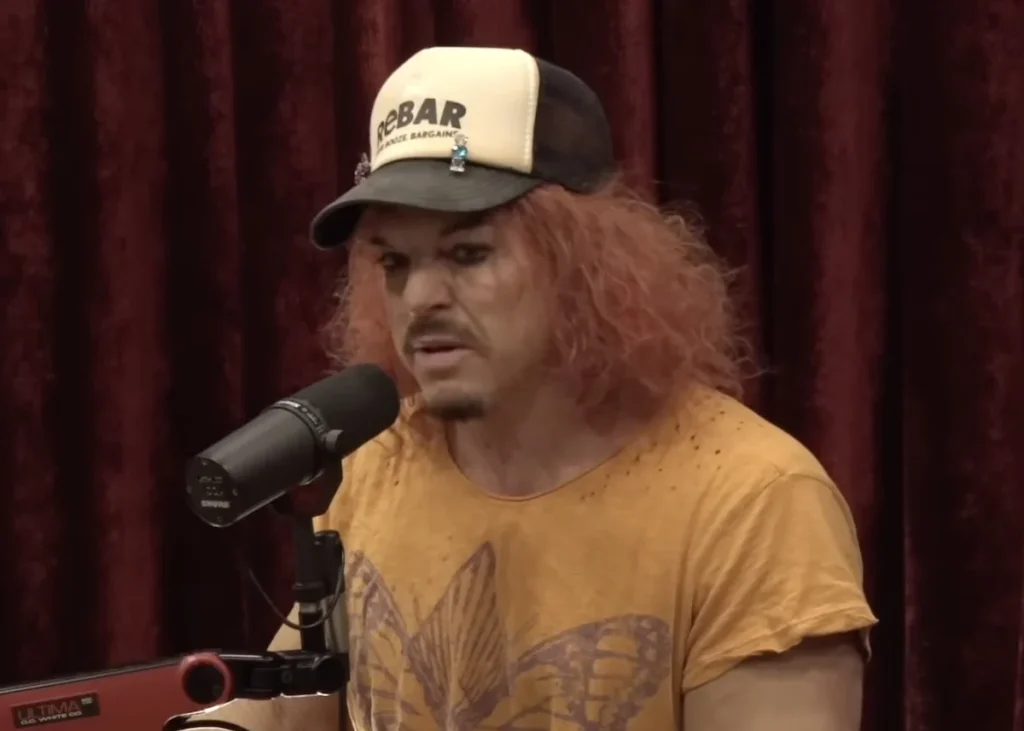

Scott Thompson, the veteran comedian and performer globally recognized by his stage persona Carrot Top, has been released from a Las Vegas hospital following a week-long stay necessitated by a severe suicide attempt. The entertainer, who has maintained a consistent and highly successful residency at the Luxor Hotel and Casino for over two decades, is reportedly now in the care of his family as he begins the process of recovery.
The incident, which occurred last week at his private residence, has prompted an outpouring of concern from the entertainment industry and his long-standing fan base. While initial reports were sparse due to the sensitive nature of the emergency, public records and statements from his management team have since confirmed the timeline and the severity of the situation.
Chronology of Events
The emergency unfolded late last week when Thompson, experiencing a moment of profound personal crisis, contacted a member of his professional team while at his Las Vegas home. Following the communication, emergency services were dispatched to his residence, where he was discovered in his backyard near the pool area.
Upon arrival, first responders determined that the situation was critical. Thompson was immediately transported to a local medical facility, where he remained under intensive care for several days. Throughout the week, his professional representatives managed communications regarding his status, confirming that his condition was serious but that he was receiving appropriate medical attention. As of late Friday evening, sources confirmed that the comedian had been cleared for discharge and is currently recuperating in a private setting surrounded by family members who have traveled to be with him during this period.
Background and Career Context
Scott Thompson has been a staple of the Las Vegas entertainment scene since he began his residency at the Luxor in 2005. His act, which combines prop comedy with observational humor, has remained a consistent draw for tourists and locals alike, making him one of the longest-running headliners in the city’s history.
Before his move to Las Vegas, Thompson rose to prominence in the 1990s through a series of appearances on late-night talk shows and his own television projects. His transition to a full-time residency represented a significant milestone in his career, establishing a level of professional stability rarely seen in the high-turnover world of stand-up comedy. The abrupt cancellation of his recent shows at the Luxor served as the first public indicator that the comedian was facing a significant health-related disruption.
Official Responses and Privacy Requests
In the immediate aftermath of his hospitalization, representatives for Thompson issued a brief, formal statement acknowledging the situation while emphasizing the necessity of privacy. The statement noted that the comedian and his family are "deeply grateful for the extraordinary kindness" shown by the public and his peers during the crisis.
The request for privacy remains a primary focus for his representatives. In professional crisis management, such requests are standard to ensure that the individual can focus entirely on mental health recovery without the pressures of media scrutiny. No further details regarding the specific medical treatments or the expected duration of his hiatus from the stage have been provided at this time, though industry analysts suggest that a return to his demanding performance schedule will likely be deferred indefinitely to prioritize his well-being.
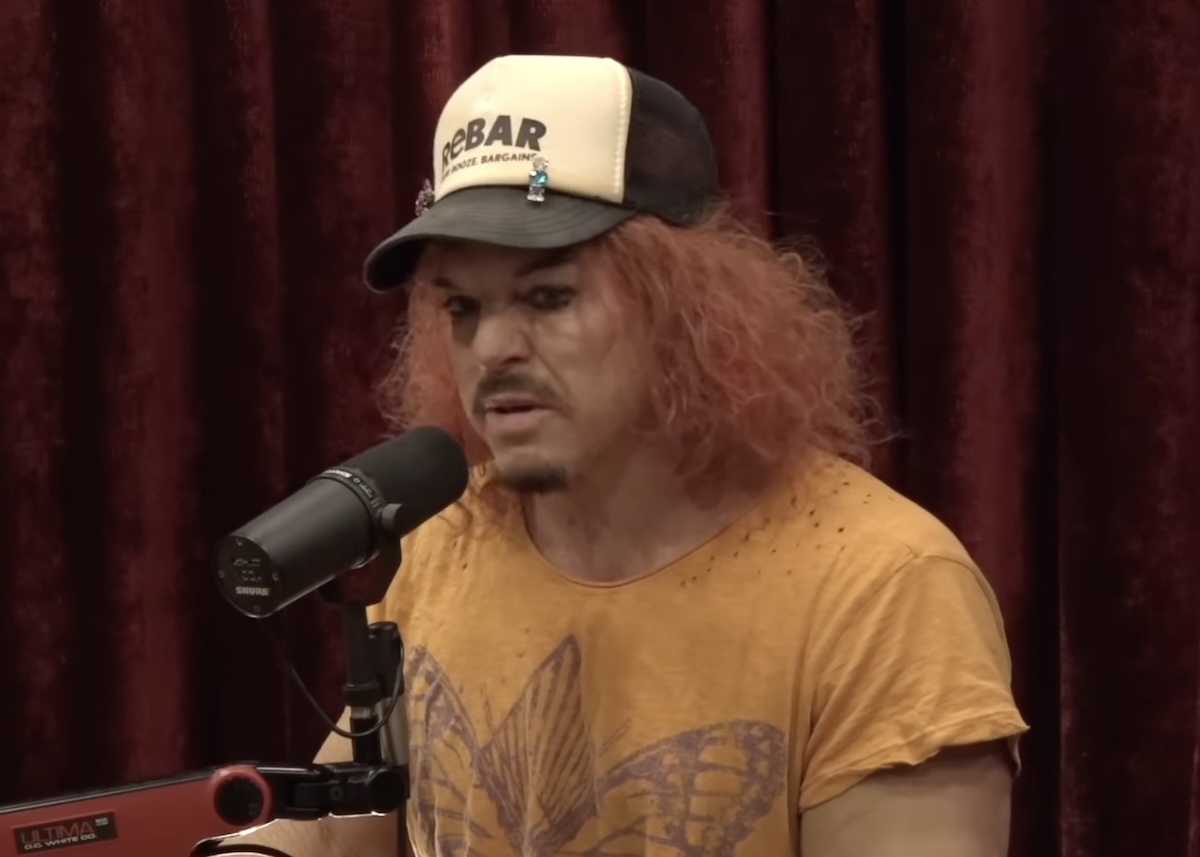
Mental Health in the Entertainment Industry
The incident involving Thompson has reignited a broader conversation regarding the mental health challenges faced by high-profile entertainers. The "performance culture" of Las Vegas, characterized by grueling show schedules, the isolation of long-term residencies, and the constant pressure to maintain a specific public persona, can contribute to significant psychological strain.
Mental health experts often point out that the high-stress environment of the entertainment industry requires robust support systems. While many major casinos and residency contracts now include wellness clauses, the transition from an active stage presence to the silence of a private home can be jarring. The visibility of this event highlights the fact that mental health crises do not discriminate based on career success or public acclaim.
Broader Implications and Support Resources
The news of Thompson’s discharge has been met with supportive commentary from across the comedy community. Many of his contemporaries have utilized social media and public platforms to reiterate the importance of mental health awareness.
For those who may be struggling with similar issues, the following resources remain available:
- The 988 Suicide & Crisis Lifeline: Individuals in the United States can call or text 988 at any time to reach trained counselors.
- National Institute of Mental Health (NIMH): Offers comprehensive resources and guidance on finding professional help for those experiencing emotional distress or suicidal ideation.
The Path to Recovery
The road ahead for Thompson involves both physical and psychological recovery. Given the nature of his residency, which requires a high degree of physical energy and mental focus, the timeline for his return to the Atrium Showroom remains uncertain. Luxor management has not issued a statement regarding the future of his residency, opting instead to allow the performer and his family the necessary space to navigate this recovery.
The industry at large has signaled a unified front in respecting these boundaries. As the news cycle moves forward, the focus remains on the efficacy of the care he is currently receiving and the support provided by his immediate circle. For many, the incident serves as a stark reminder that even those who make a living by bringing joy to others are subject to the same human vulnerabilities as any other individual.
As the situation stabilizes, the primary focus for Thompson’s camp will likely be on ensuring he is fully equipped with the resources needed for long-term health. The outpouring of public support, while overwhelming, underscores the significant impact that long-term entertainers have on their audiences, and the collective hope remains for a complete and healthy recovery.
Further updates, if deemed appropriate by his family, will likely be released through official channels, but for the time being, the entertainment community remains in a state of quiet solidarity with the comedian. The focus remains on the fact that he is no longer in a hospital setting and is in the care of those who know him best, marking a positive, albeit early, step in what will undoubtedly be a protracted and private healing journey.