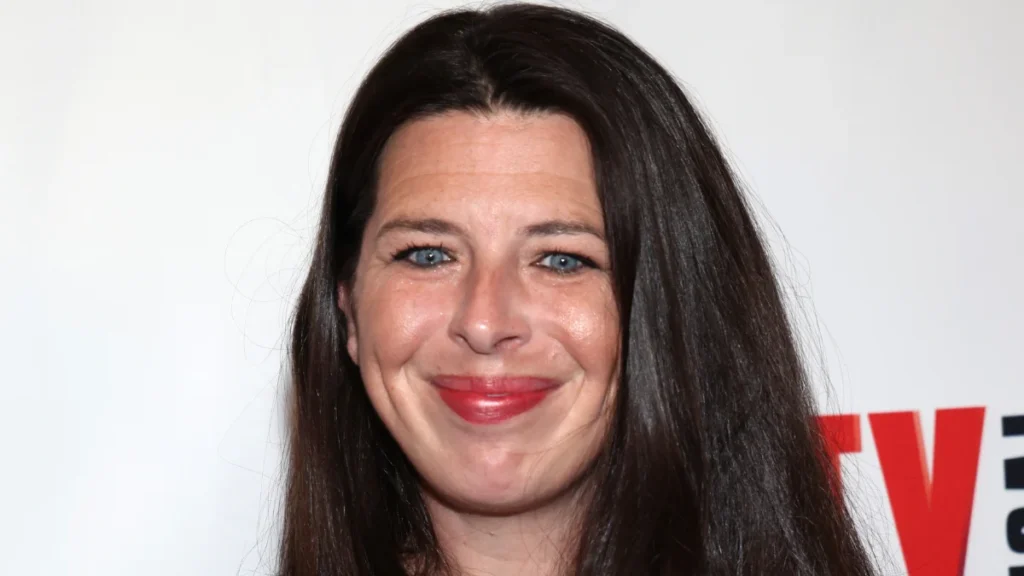

The harsh economic realities of the modern entertainment industry have once again stepped into the spotlight, shedding light on the precarious nature of livelihood for professional performers. Heather Matarazzo, widely recognized for her breakout roles in cult classics and mainstream hits alike, recently opened up about a deeply stressful personal and professional hurdle. She revealed that she is struggling to secure enough acting work to maintain her health insurance coverage through SAG-AFTRA, the premier labor union representing media artists.
Matarazzo’s candid admission arrived in the wake of a viral public plea made by fellow actor Jack Haven. Haven, known for their work on the Netflix series Atypical, posted an emotional video detailing an urgent race against time to meet the union’s strict financial threshold for health benefits. The cascading confessions from both actors have reignited a broader, highly charged conversation regarding the accessibility, sustainability, and structural requirements of union-backed healthcare plans in an era marked by shifting production models, streaming residuals, and industry-wide contraction.
The Genesis of the Public Plea: Jack Haven’s Race Against Time
The public discourse surrounding SAG-AFTRA health insurance thresholds accelerated when Jack Haven published a frank, urgent video message detailing their precarious healthcare standing. Addressing the public and industry professionals directly, Haven characterized their situation as an active emergency.
According to Haven, they needed to secure an additional $4,000 in covered earnings by the end of September to successfully qualify for union health insurance coverage set to begin in January. For many outside the industry, the assumption remains that anyone with a television credit is financially secure. However, Haven’s disclosure shattered this illusion, emphasizing the hand-to-mouth existence even recognizable working actors often endure.
In their plea, Haven made a direct call to action, asking casting directors, producers, and creators working on SAG-AFTRA-covered productions to consider them for upcoming roles or auditions. The transparency of the video resonated deeply across the entertainment community, quickly gathering traction on social media platforms and serving as a catalyst for other performers to share their own behind-the-scenes financial struggles.
Heather Matarazzo Steps Forward in Solidarity
Among the first high-profile actors to amplify Haven’s message and validate the underlying crisis was Heather Matarazzo. Taking to the social media platform Threads, the veteran performer responded directly to Haven’s post, offering both empathy and a sobering confirmation of her own status.
"I am literally in the same boat right now," Matarazzo wrote, cutting through the glamour typically associated with Hollywood. "Lots of my fellow actors are."
Matarazzo’s public statement did not stop at a simple expression of solidarity; she also addressed the systemic shifts that have made retaining benefits increasingly difficult over the decades. Reflecting on the evolution of union policies, she added, "I remember a time when we didn’t have to earn a minimum to qualify for insurance."
The veteran actor’s commentary struck a chord with thousands of union members who have watched qualifying thresholds rise while residual payments—historically a reliable safety net for actors between major gigs—have shrunk dramatically in the streaming era. Positively, the story took a brief turn toward relief when Matarazzo later celebrated an incoming career development for Haven, noting that the actor had received a prospective job offer that would significantly aid their trajectory toward qualifying for coverage in later benefit cycles.
Decoding the SAG-AFTRA Health Plan Requirements
To understand the gravity of the situation articulated by Matarazzo and Haven, it is essential to examine the mechanics of the SAG-AFTRA Health Plan. The union provides comprehensive medical, dental, and vision coverage to its members, but maintaining this coverage is contingent upon meeting strict eligibility criteria within designated base periods.
The plan operates on a four-quarter base period system. To qualify for standard coverage, members must accumulate a specified minimum of covered earnings or complete a designated number of eligible workdays. The financial requirements are adjusted incrementally year by year to account for inflation and healthcare cost escalations.
For the 2026 benefit period, the minimum earnings requirement stands at $28,090. Looking ahead to the 2027 benefit period, that figure is scheduled to rise to $28,933. Alternatively, members can qualify based on sweat equity—specifically, accumulating 108 eligible workdays within the applicable base period.
For performers whose work is episodic, sporadic, or dependent on securing guest-star roles in an increasingly competitive landscape, hitting these exact benchmarks can become an agonizing mathematical puzzle. Missing the target by even a few hundred dollars can result in the complete forfeiture of health insurance for an entire calendar year, forcing actors to seek expensive alternatives on the open market or risk going uninsured.
A Retrospective Look at Heather Matarazzo’s Career
The revelation that Heather Matarazzo is struggling to clear union thresholds highlights the immense disconnect between public perception of celebrity and the day-to-day financial reality of working actors. Matarazzo has enjoyed a long, respected career in film and television, marked by unforgettable performances that are embedded in pop culture history.
She first captured international critical acclaim as Dawn Weiner in Todd Solondz’s landmark 1995 independent dark comedy Welcome to the Dollhouse, a performance that earned her the Independent Spirit Award for Best Debut Performance. A few years later, she cemented her status as a household name by co-starring as Lilly Moscovitz, the fiercely loyal, witty best friend to Anne Hathaway’s Mia Thermopolis in Disney’s blockbuster hit The Princess Diaries (2001) and its subsequent sequel, The Princess Diaries 2: Royal Engagement (2004).
Over a decades-long career, Matarazzo’s résumé has expanded to include high-profile feature films and television series, such as Taylor Hackford’s The Devil’s Advocate, Wes Craven’s Scream 3, and Eli Roth’s Hostel: Part II. In recent years, she has continued to work consistently, making guest appearances on acclaimed television series, including a role in Netflix’s global phenomenon Wednesday, and taking on projects in independent cinema, such as the short film Paper Tiger (2025).
Despite this impressive and diverse body of work, Matarazzo’s recent admissions prove that a storied filmography does not automatically grant immunity from the precarious structural challenges governing modern guild benefits.
Broader Industry Implications and Systemic Pressures
The candid disclosures from Matarazzo and Haven shine a harsh light on broader systemic pressures within the entertainment industry. In recent years, the transition from traditional network television—which relied on long season orders and predictable syndication residuals—to the streaming model has radically altered how actors earn a living.
Streaming services frequently produce shorter seasons—often consisting of six to ten episodes—and utilize alternative compensation structures that bypass traditional syndication models. Consequently, many actors who once relied on steady residual checks to bridge the financial gaps between major acting jobs find themselves falling short of union health thresholds.
Furthermore, the industry has experienced significant contraction following the dual 2023 Writers Guild of America (WGA) and SAG-AFTRA strikes, corporate media mergers, and cutbacks in content spending by major studios. With fewer overall productions greenlit and intense competition for remaining open roles, the margin for error for working actors has narrowed dramatically.
Industry analysts and labor advocates point out that healthcare accessibility remains one of the most critical battlegrounds for unionized labor. As medical costs continue to escalate nationwide, labor organizations face the difficult task of balancing the financial solvency of their health plans against the shifting economic realities of their membership base. When recognizable actors with decades of experience struggle to clear baseline earnings requirements, it underscores a widening vulnerability within the middle class of the acting profession.
Conclusion and Future Outlook
The public solidarity displayed by Heather Matarazzo and Jack Haven has done more than just highlight individual employment scrambles; it has broken through the traditional silence surrounding financial insecurity in Hollywood. By speaking openly about the race to meet SAG-AFTRA health insurance minimums, they have humanized a complex bureaucratic structure and sparked a much-needed industry dialogue.
As SAG-AFTRA continues to navigate future contract cycles and healthcare plan adjustments, the stories of Matarazzo and Haven serve as a poignant reminder of the work that remains. For thousands of performers behind the screen, the applause of an audience does not always equate to stability, and the fight to maintain basic human necessities like healthcare continues to be an ongoing, high-stakes drama fought far away from the red carpet.