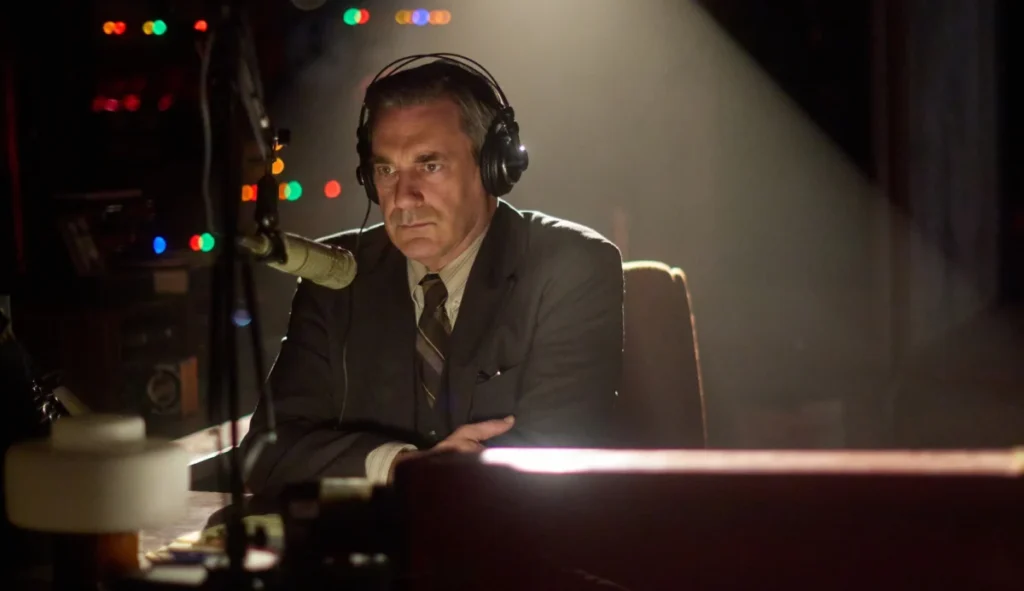

On February 8, 1977, the city of Indianapolis became the center of a tense, unfolding drama that would redefine the boundaries of media ethics and crisis intervention. The events surrounding the hostage situation at Meridian Mortgage, which serves as the foundation for the television series American Hostage starring Jon Hamm, mark one of the most chilling chapters in American criminal history. What began as a desperate grievance over a failed real estate development rapidly spiraled into a media-saturated standoff, forcing a local radio newsman, Fred Heckman, into the unlikely and precarious role of a hostage negotiator.
The Catalyst: A Grievance Turned Violent
The perpetrator, Tony Kiritsis, was a man consumed by the belief that he had been systematically dismantled by the financial establishment. Kiritsis had envisioned a sprawling 17-acre development project in Indianapolis, intended to feature a commercial shopping hub and a high-end steakhouse. However, as his financial viability waned, he faced the looming threat of foreclosure. He directed his rage toward the Hall family—specifically mortgage executive Richard "Dick" Hall—whom he accused of orchestrating a long-term scheme to seize his property and profits.
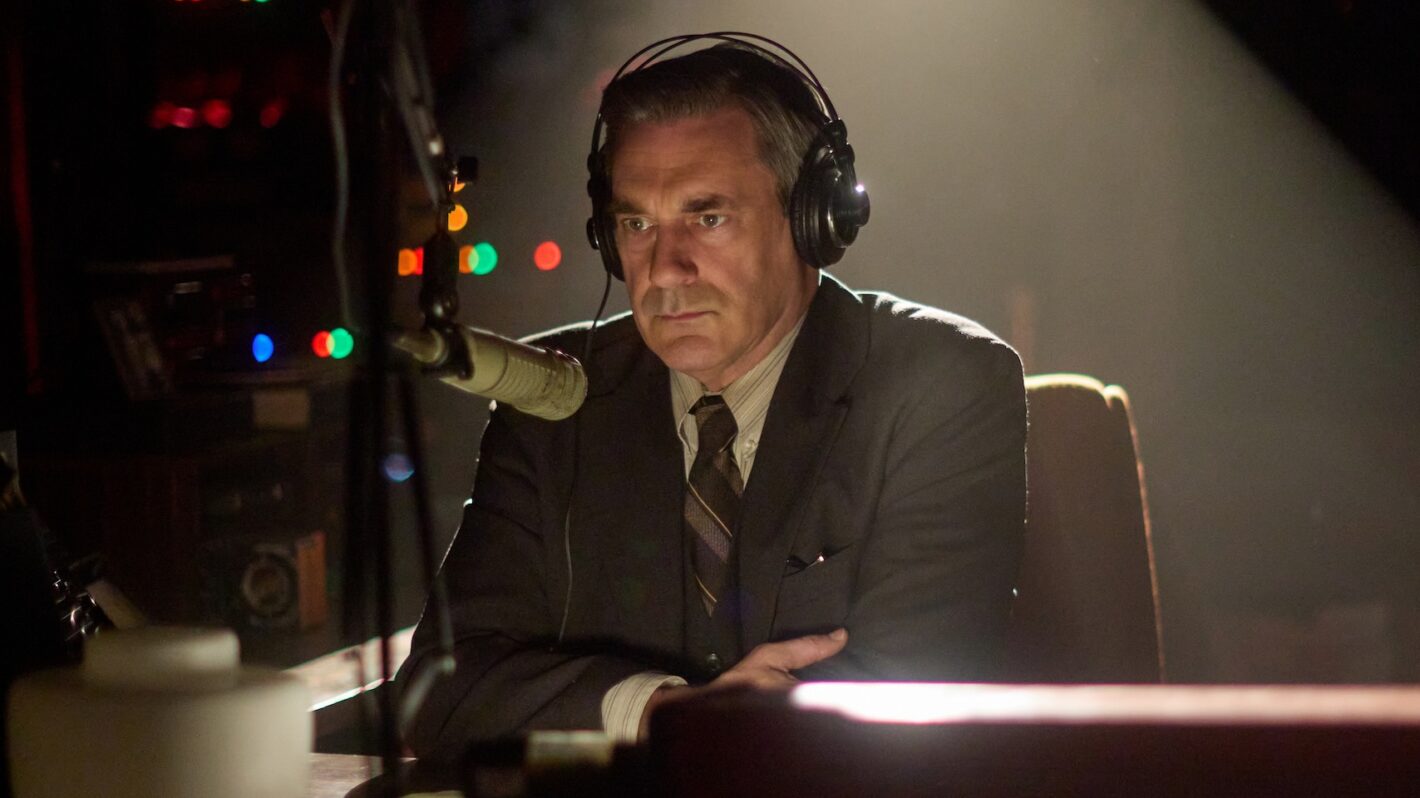
The confrontation at the Meridian Mortgage offices was calculated and brutal. Kiritsis gained access to the building under the pretense of a meeting, employing a fabricated injury to lower defenses. Once inside, he produced a sawed-off shotgun. In a display of extreme tactical ingenuity and cruelty, he wired the weapon to Hall’s neck, employing a "dead man’s line" around the trigger. This mechanism ensured that any attempt by police to neutralize Kiritsis would result in the immediate death of the hostage. It was a sophisticated, albeit horrifying, method of ensuring total leverage over law enforcement.
The Role of the Fourth Estate
In the mid-1970s, the landscape of journalism was defined by a different set of protocols. While modern media operates in a 24-hour cycle of instant digital gratification, the 1977 environment relied on the "trusted voice" of radio and television anchors. Fred Heckman, a pillar of the WIBC newsroom, occupied this position in Indianapolis. His reputation for impartiality and his "straight-shooting" delivery made him an anomaly in an era where trust in the media was beginning to shift.
Kiritsis’s decision to request Heckman by name was not incidental. It was a strategic choice to utilize the media as a megaphone for his perceived victimhood. By demanding a live, uncensored interview, Kiritsis sought to circumvent the judicial system and bring his "case" directly to the public. This placed Heckman and his station manager, Jerry Morris, in an untenable position: fulfill the kidnapper’s demands to potentially save a life, or refuse and risk being complicit in a tragedy. The decision to proceed with the broadcast set a precedent for media involvement in criminal investigations that remains a subject of study in journalistic ethics today.
Chronology of a Crisis
The timeline of the standoff provides insight into the escalation of the incident:
- February 8, 1977: Tony Kiritsis takes Richard Hall hostage at the Meridian Mortgage office. He contacts the police directly, signaling the start of a public negotiation.
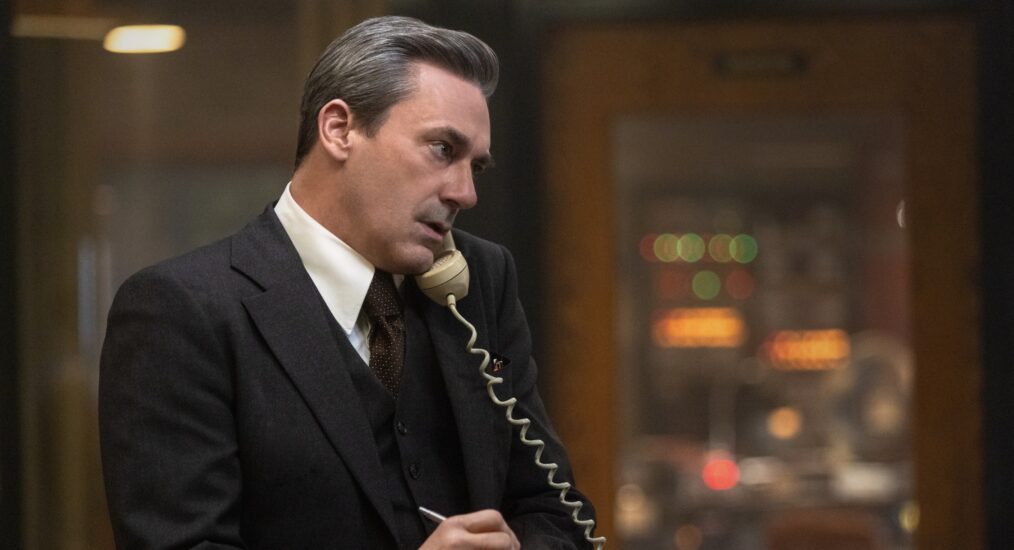
- Initial Hours: WIBC reporters, including Ben Hairston, begin investigating the claims made by Kiritsis. The newsroom quickly realizes that the hostage-taker’s narrative is a mixture of genuine financial grievances and verifiable falsehoods, such as his unsubstantiated claims regarding his military history.
- The Broadcasts: As the standoff progresses, Heckman conducts multiple interviews with Kiritsis. The broadcast serves as a release valve for the perpetrator’s anger, though it simultaneously creates a national media frenzy.
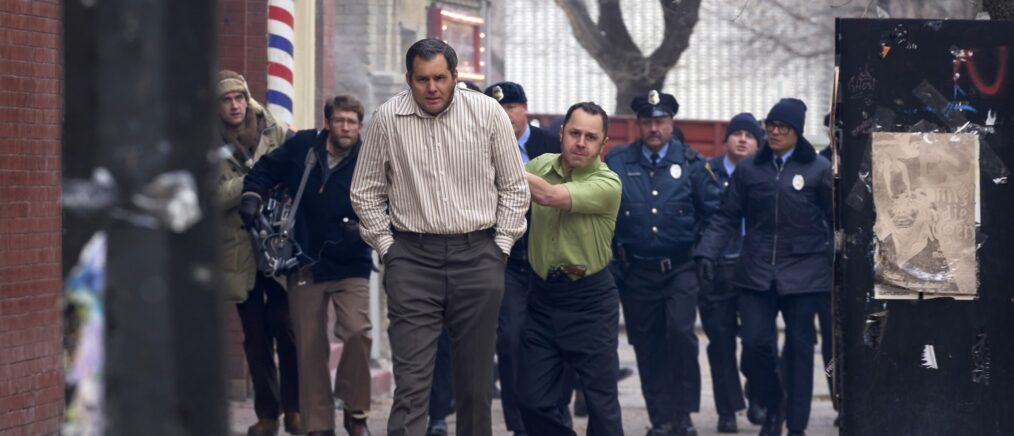
- The Negotiation: As law enforcement, including local police and federal authorities, surround the perimeter, they find themselves sidelined by the rapport established between the journalist and the gunman.
- The Resolution: The standoff stretched across several days, involving complex maneuvers to transport the hostage and the perpetrator, all while the city of Indianapolis remained in a state of suspended animation.
Ethical Implications and Media Responsibility
The American Hostage series explores the profound psychological toll taken on Heckman, who found himself performing the duties of a trained law enforcement negotiator while simultaneously serving as a news director. This "dual-hatting" is rarely, if ever, advised in crisis management. The primary concern of the police, represented by figures like Chief Gallagher, was that Heckman’s involvement could inadvertently escalate the situation or provide the perpetrator with a false sense of legitimacy.
From an academic perspective, the incident raises critical questions regarding the role of the press in public safety. When a journalist becomes the conduit for a criminal’s manifesto, do they become an accessory, or are they providing an essential public service by preventing violence? The fact that Heckman attempted to verify the details of the Hall family’s business dealings while being held captive by the hostage-taker’s demands highlights the tension between objective reporting and active participation.
Fact-Checking the Grievance
As the news team at WIBC began to peel back the layers of the story, they discovered that the "three-headed monster" Kiritsis described—the Hall family business—was a more nuanced entity than he portrayed. While there were allegations of predatory lending practices, the investigation revealed significant gaps in Kiritsis’s own claims. For instance, his assertion of a background at West Point was debunked by researchers, pointing to a man who was increasingly detached from reality.
This creates a narrative of profound tragedy. The conflict was not merely about a property dispute; it was a collision between a man experiencing a mental health crisis and a corporate structure that prioritized rigid financial adherence over human welfare. The reluctance of M.L. Hall to engage with the demands, even when his son’s life hung in the balance, suggests a deep-seated intransigence that fueled Kiritsis’s conviction that he was a victim of a corrupt, untouchable elite.
The Legacy of the 1977 Siege
The impact of the Kiritsis case on local and national media practices cannot be overstated. Following the incident, police departments nationwide overhauled their hostage negotiation protocols to prioritize the exclusion of civilians—including journalists—from direct communication with suspects. The incident served as a cautionary tale for newsrooms regarding the dangers of providing a live platform to individuals who are potentially dangerous or unstable.
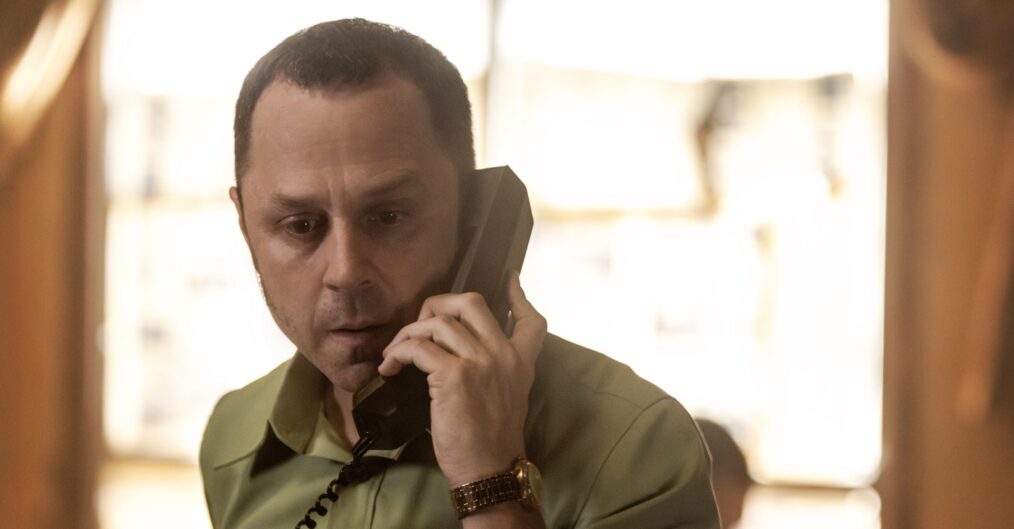
For Fred Heckman, the experience was a career-defining moment that eclipsed his previous work. The transformation of a newsman into a central character in a crime story mirrors the evolution of modern media, where the journalist is often indistinguishable from the subject matter they cover. The series, by dramatizing these events, encourages viewers to consider the fine line between informing the public and fueling a fire that may be better extinguished by professionals.
The story of the 1977 Indianapolis hostage crisis remains a quintessential study of power, grievance, and the unpredictable consequences of putting a microphone in front of someone desperate for a voice. It is a reminder that in the heat of a crisis, the truth is often the first casualty, and the individuals tasked with delivering that truth are often the ones most vulnerable to being consumed by it. As the series continues to explore the intricacies of this standoff, it forces an examination of a time when the newsroom was the last line of defense against chaos—and the heavy price that can be paid when the media is forced to cross that line.