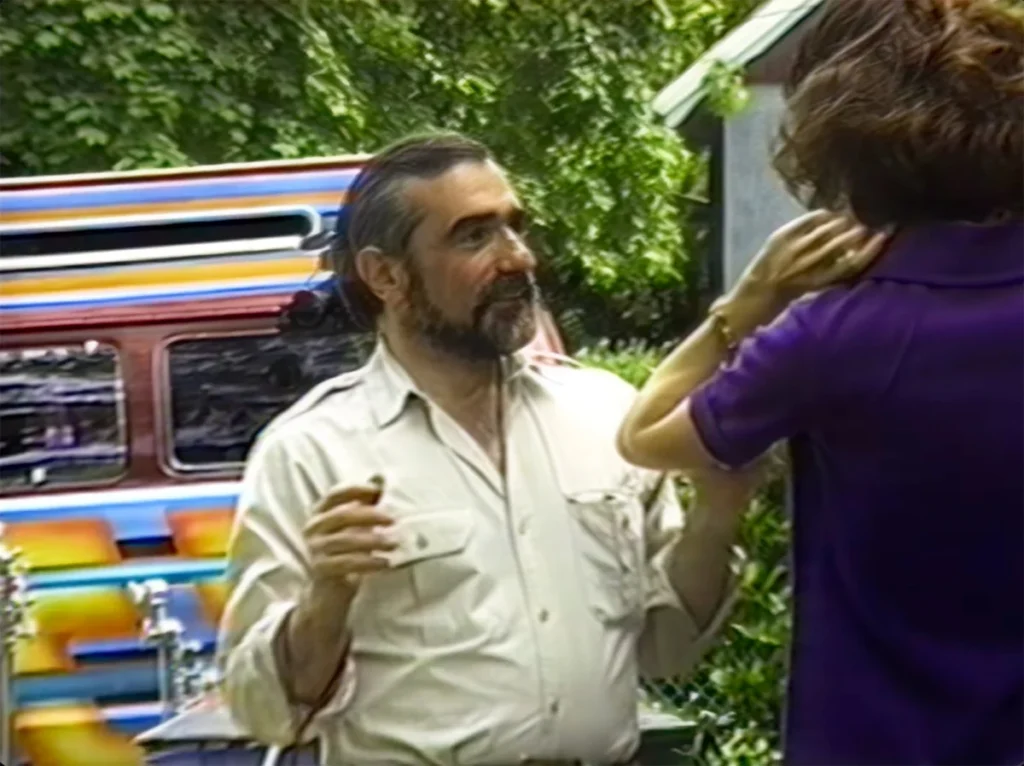

Life After Movies has officially released the trailer for As Far Back As I Can Remember… The Story of Goodfellas, a comprehensive feature-length documentary dedicated to dissecting the cultural footprint, production history, and enduring legacy of Martin Scorsese’s 1990 cinematic masterpiece. Directed and produced by the filmmaking duo Lisa Downs and Ashley Pugh, known for their work within the Life After Movies banner, the documentary aims to serve as the definitive retrospective on one of the most celebrated crime dramas in the history of cinema.
The project is slated to hold its world premiere at the 2026 Newport Beach Film Festival this fall. By combining extensive archival material with an exhaustive roster of contemporary interviews, the filmmakers seek to illuminate how a gritty adaptation of a non-fiction book evolved into an industry-shifting milestone. The newly unveiled promotional trailer offers audiences their first glimpse at the wealth of behind-the-scenes insights, rare footage, and firsthand accounts featured in the completed film.
Main Facts and Production Background
At its core, As Far Back As I Can Remember… The Story of Goodfellas explores the intricate mechanics of how Martin Scorsese, alongside co-writer Nicholas Pileggi, adapted Pileggi’s 1986 true-crime book Wiseguy into a cinematic powerhouse. The original 1990 feature chronicled the rise and fall of mob associate Henry Hill, brought to vibrant, frantic life by a legendary principal cast that included Robert De Niro, Ray Liotta, Joe Pesci, and Lorraine Bracco.
While the feature film was a critical and commercial triumph upon its theatrical release, this new documentary shifts its focus toward the collaborative efforts of the cast and crew who brought the underworld to life. The production relies heavily on fresh, exclusive interviews with individuals who worked both in front of and behind the camera.
The comprehensive interview lineup features prominent cast members such as Lorraine Bracco, Chris Serrone, Debi Mazar, Illeana Douglas, Welker White, Kevin Corrigan, and Joseph D’Onofrio. Furthermore, the documentary captures invaluable perspectives from behind-the-scenes personnel, including producer Irwin Winkler, co-writer Nicholas Pileggi, producer Barbara De Fina, production designer Kristi Zea, still photographer Barry Wetcher, camera operator Larry McConkey, assistant director Joseph Reidy, and technical consultants or minor-role actors like Bo Dietl and Johnny Roastbeef. Cultural figures and fellow artists, such as filmmaker and actor Samuel L. Jackson and actress Julie Garfield, also contribute their insights regarding the film’s towering influence on contemporary storytelling.

Chronology of a Masterpiece
To understand the weight of the new documentary, it is essential to trace the historical timeline of Goodfellas itself, mapping its journey from print to screen and its subsequent cultural permanence over three and a half decades.
In 1986, true-crime author Nicholas Pileggi published Wiseguy, a meticulously researched biographical account detailing the life of mob turncoat Henry Hill. Upon reading the book, Martin Scorsese reportedly called Pileggi, stating that he had been waiting his entire life to read a book that authentically captured the day-to-day reality of mobsters. The two collaborated on the screenplay, which would eventually be titled Goodfellas to avoid confusion with Brian De Palma’s 1986 comedy Ruthless People or the television series Wiseguy.
Principal photography took place in the spring and summer of 1989, primarily across New York and New Jersey. The production was characterized by its improvisational energy, meticulous visual style, and innovative technical execution—most notably Larry McConkey’s legendary, uninterrupted Steadicam tracking shot through the Copacabana nightclub.
When Warner Bros. released Goodfellas in September 1990, it was met with widespread critical acclaim, eventually grossing approximately $47 million domestically against a $25 million budget. At the 63rd Academy Awards, the film received six nominations, including Best Picture and Best Director for Scorsese. While Kevin Costner’s Dances with Wolves ultimately swept the major categories, Joe Pesci earned the Academy Award for Best Actor in a Supporting Role for his terrifying portrayal of Tommy DeVito.
In the decades that followed, Goodfellas transcended its status as a successful crime drama to become a foundational text for modern filmmaking. It permanently altered the aesthetic of narrative editing, voiceover narration, and popular music integration in cinema. The upcoming release of As Far Back As I Can Remember arrives as the film celebrates its 35th anniversary, marking a fitting juncture for a definitive historical appraisal.
Supporting Data and Production Insights
The production of As Far Back As I Can Remember… The Story of Goodfellas represents a major milestone for the Life After Movies platform. Co-directors Lisa Downs and Ashley Pugh have built a reputation for crafting deep-dive cinematic retrospectives, with Downs previously helming the acclaimed Life After documentary series. Their approach with this project avoids superficial nostalgia, opting instead for a rigorous examination of the socio-cultural and economic conditions surrounding the film’s creation in the late 1980s.

According to promotional materials released by the distribution and production teams, the documentary utilizes a vast repository of archival artifacts, including early script drafts, production memos, and on-set photography captured by veterans like Barry Wetcher. This material is contextualized through modern analytical commentary, establishing a bridge between the Hollywood of 1990 and the digital filmmaking landscape of 2026.
The inclusion of individuals like camera operator Larry McConkey provides technical depth that is often absent in standard entertainment documentaries. McConkey’s contributions during the production of Goodfellas helped establish visual grammars that are still taught in film schools globally. By giving voice to key technical crafts—such as production design by Kristi Zea and assistant directing by Joseph Reidy—the documentary presents a holistic view of studio filmmaking at a critical juncture before the digital revolution transformed the industry.
Statements and Reactions from the Filmmakers
While full-length critical reviews will follow the film’s upcoming festival premiere, the creative team behind As Far Back As I Can Remember has outlined their overarching mission through early promotional statements. Co-directors Lisa Downs and Ashley Pugh positioned the project as a necessary exploration of a film that continues to cast a long shadow over modern media.
"As Far Back As I Can Remember… Story of Goodfellas is a bold, definitive love letter to Scorsese’s 1990 classic that shaped cinema and continues to set the standard," the co-directors stated in the official production notes. They emphasized that the documentary goes beyond mere fandom to interrogate the structural realities of the film’s production. "Through exclusive behind-the-scenes material and brand-new interviews with the people who made it, lived it, and continue to carry its legacy, this insightful doc explores how Goodfellas was created, the real story behind it, and why its influence still holds 35 years later."
The filmmakers further noted that the project is designed to honor the distinct artisanal contributions of a massive ensemble cast and crew. By gathering living members of the production across creative departments, the documentary captures a vanishing era of practical, on-location studio filmmaking in New York City.
Broader Impact and Implications
The release of a feature-length documentary dedicated entirely to Goodfellas underscores a broader trend in contemporary media: the elevation of individual classic films into standalone historical subjects. As intellectual property increasingly dominates box offices, retrospective documentaries provide a vital analytical framework for understanding the artistic risks that defined late-20th-century American cinema.

For Martin Scorsese, whose career spans over six decades, Goodfellas remains a pivotal stylistic pivot point between the gritty realism of his 1970s work (such as Taxi Driver and Raging Bull) and the sprawling historical epics of his later career. Analyzing the film through a modern lens allows contemporary audiences to appreciate how its rapid-fire editing, breaking of the fourth wall, and utilization of non-diegetic rock music radically redefined the gangster genre, steering it away from the operatic romanticism of Francis Ford Coppola’s The Godfather trilogy and toward a more cynical, fast-paced, journalistic realism.
Furthermore, the documentary arrives at a time when the preservation of physical media and cinematic history is a subject of intense industry discussion. By documenting the oral histories of actors like Lorraine Bracco and crew members who are increasingly advancing in age, As Far Back As I Can Remember acts as an archival safeguard for Hollywood history.
As the film prepares for its world premiere at the 2026 Newport Beach Film Festival, anticipation is high among cinephiles and industry professionals alike. The documentary promises to offer not only a celebration of a beloved cultural touchstone, but a rigorous masterclass in how enduring art is forged under the pressures of studio production.