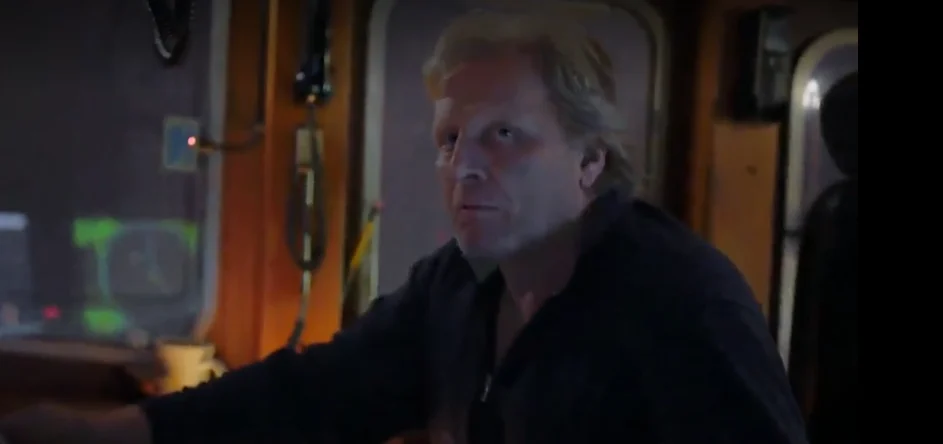

The Bering Sea has once again proven to be an unforgiving crucible for the fleet featured on Discovery Channel’s Deadliest Catch. With the seasonal closure of the crab fishery rapidly approaching, captains are finding themselves trapped between the desperate need to meet offload quotas and the relentless degradation of their aging vessels. As the clock ticks down, the logistical and mechanical burdens placed upon the crews have reached a critical inflection point, turning routine fishing excursions into high-stakes endurance tests.
A Season of Attrition and Mechanical Crisis
The episode aired on September 18 showcased a series of cascading failures across multiple vessels, highlighting the precarious nature of commercial crabbing. In the harsh, high-latitude environment of the Bering Sea, where temperatures can plummet and swells frequently exceed 20 feet, the structural integrity of a fishing vessel is its only barrier between profit and catastrophe.
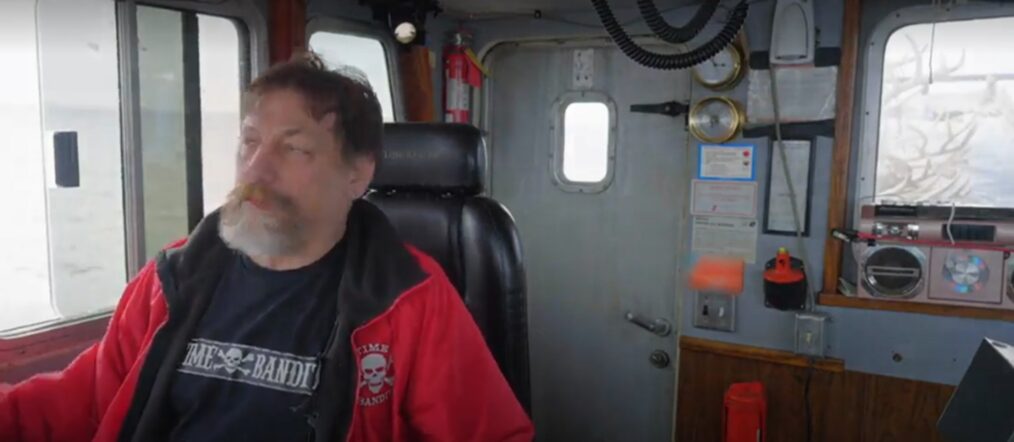
For Captain Johnathan Hillstrand of the Time Bandit, the pressure of a five-day offload window was compounded by both human and mechanical setbacks. The loss of a deckhand due to a severe head injury—a common but dangerous occurrence in the high-impact environment of a moving deck—left the crew operating at reduced capacity. Furthermore, the discovery of a cracked crane, leaking hydraulic fluid into the workspace, presented a significant liability. Hydraulic leaks are notoriously difficult to repair at sea; when a primary lifting mechanism fails, the entire workflow of setting and hauling 900-pound pots grinds to a halt. Hillstrand’s ability to navigate these setbacks underscores the reliance of the fleet on "field-expedient" repairs, which are rarely permanent and always carry a heightened risk of secondary failure.
The Human Element and Operational Continuity
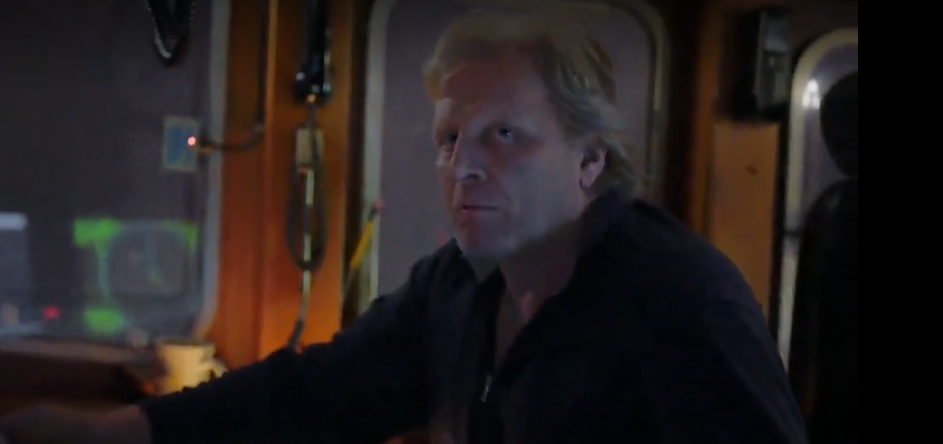
The logistical challenges faced by the Aleutian Lady’s Rick Shelford provide a microcosm of the labor shortages currently plaguing the maritime industry. Following the departure of his greenhorn deckhand, Todd Meadows, due to a concussion, Shelford was forced to rotate in a replacement, Brandon. The subsequent failure of Brandon to meet the physical demands of the role—exacerbated by a pre-existing injury—illustrates the rigorous physical screening required for deck operations.
The necessity of keeping a vessel fully staffed is not merely a matter of efficiency; it is a safety mandate. With the air clutch burning out and the subsequent loss of port-side hydraulics, the vessel was effectively crippled. Shelford’s reliance on his crew to identify mechanical anomalies, such as smoke in the engine room, is a testament to the essential nature of proactive maintenance. The eventual return of Meadows, cleared by medical professionals, serves as a reminder that in the Bering Sea, institutional knowledge and familiarity with a specific boat’s idiosyncrasies are as valuable as the catch itself.
Structural Failures and the Engineering Threshold
The Northwestern, commanded by the veteran Sig Hansen, encountered a scenario that every captain fears: a "runaway engine." When a vessel’s propulsion system ceases to respond to throttle commands, the ship becomes a 100-foot-plus projectile. The mechanical stress caused by an engine failing to disengage or properly modulate power can lead to catastrophic damage to the transmission or the drive shaft.
Hansen’s quick reaction to shut down the system prevented a potential collision with his own gear or, worse, a structural breach. However, the incident resulted in the loss of a prime pot location. This highlights the "opportunity cost" inherent in the industry: every moment spent troubleshooting a mechanical fault is a moment during which the crab, which are migratory and elusive, may move beyond the reach of the vessel’s set gear.
Jake Anderson and the Emotional Toll of the Industry
Captain Jake Anderson’s narrative on the Cornelia Marie reflects the dual-front battle many captains face: the desire for personal stability versus the demands of the fishery. As a father seeking to provide a new home for his children, the psychological burden of his profession is heavy. The technical failure on the Cornelia Marie—where the primary generator and backup battery systems both experienced simultaneous failure—left the crew working in total darkness.
The reliance on manual labor to move 900-pound pots to the lift gate while the vessel was effectively dead in the water is a stark reminder of the manual intensity required to sustain operations when electrical systems collapse. The fact that the crew was able to restore the system under duress speaks to the high level of technical competency expected of deckhands who are often required to function as amateur electricians and hydraulic technicians.
Industry Context and Economic Implications
The urgency depicted in the current season is driven by the strict regulatory environment governing the Alaskan crab industry. Quotas are not merely goals; they are legal limits that, once met, trigger the closure of the fishery for the season. For these captains, the "canary closure"—the final countdown before the season officially ends—creates a "gold rush" mentality.
Data from the Alaska Department of Fish and Game (ADFG) has historically shown that the Bering Sea snow crab and Bairdi populations are subject to extreme fluctuations due to climate change and ocean acidification. As crab populations shift further north or to deeper, more dangerous waters, the travel time for these vessels increases, which in turn increases fuel consumption and mechanical wear. The vessels, many of which were built in the 1970s and 80s, are being pushed to their absolute limits to track these stocks.
The Mentorship Legacy
The closing interaction between Sig Hansen and Jake Anderson provides a poignant look at the lineage of the industry. The mention of the late Captain Phil Harris, who served as a mentor to many in the fleet, reinforces the idea that Deadliest Catch is as much about the passing of a generational torch as it is about the harvest. In an industry where the mortality rate is significantly higher than the national average for private sector workers, the psychological support provided by veteran captains to their peers is a critical component of the fleet’s culture.
Future Outlook and Analytical Perspective
As the season concludes, the industry faces broader questions regarding sustainability and safety. The increasing frequency of mechanical failures suggests that the fleet may be approaching a point of obsolescence. Without significant capital investment in modernizing these vessels, the risk of total loss—both of the vessel and of human life—will continue to escalate.
From an analytical standpoint, the reliance on high-risk, high-reward fishing cycles has created an environment where the "by any means necessary" approach is the standard operating procedure. While this produces compelling television, it also serves as a warning for the long-term viability of the Bering Sea crab fishery. If the current trajectory of mechanical degradation and resource volatility continues, the industry may see a further contraction in the number of active vessels, leading to a more consolidated, albeit perhaps more regulated, maritime labor force.
The events of the September 18 episode serve as a definitive record of the logistical friction involved in modern commercial fishing. Whether through the lens of mechanical maintenance, personnel management, or environmental negotiation, the captains remain at the mercy of the sea. As they push toward the final offload of the season, their success will depend not on the abundance of the crab, but on the ability of their machines to endure one last haul.