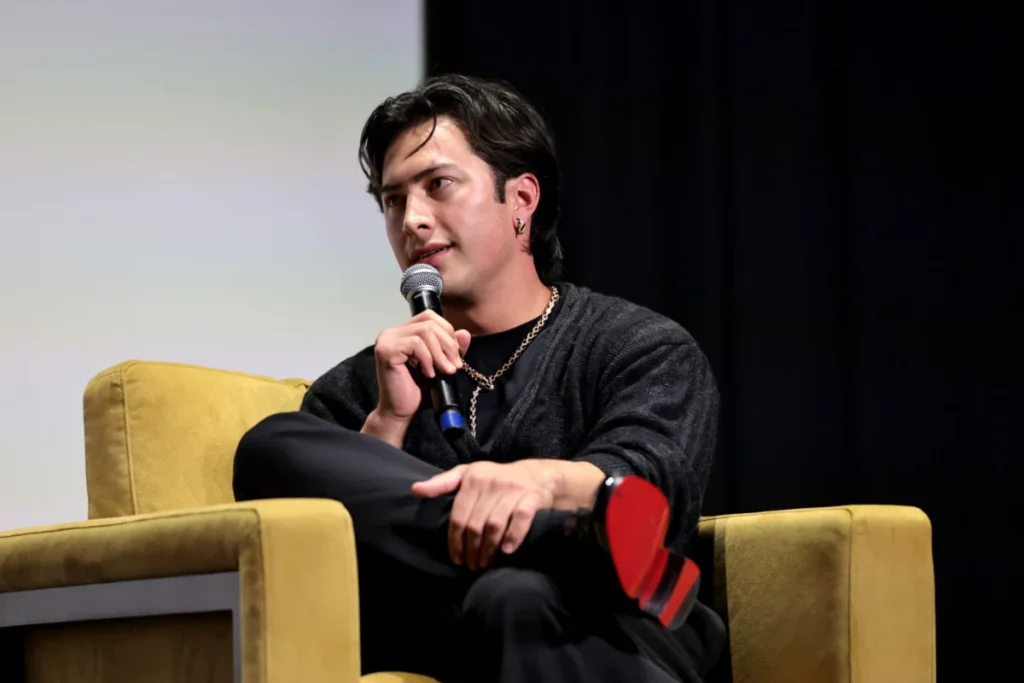

The transition from an unexpected independent hit to a globally recognized streaming phenomenon carries a unique set of psychological and professional hurdles for its principal cast. For 26-year-old actor Hudson Williams, stepping back onto the set of HBO Max’s critically acclaimed queer hockey romance drama Heated Rivalry for its anticipated second season was an experience best described as surreal. Speaking during a panel conversation at the prestigious Toronto International Film Festival (TIFF), Williams detailed the anxieties, triumphs, and adjustments that defined the initial days of production on the sophomore season, offering fans a glimpse into the mechanics of bringing Rachel Reid’s beloved literary universe back to the screen.
The journey of Heated Rivalry from a niche streaming title to a cultural touchstone has been rapid and unprecedented. Adapted from Reid’s celebrated hockey romance novels, the series follows the intense, decades-spanning athletic and romantic rivalry between professional hockey players Shane Hollander and Ilya Rozanov. When the series debuted, it defied conventional industry expectations for independent television, swiftly capturing a passionate global audience and drawing critical praise for its nuanced depictions of queer athletes, sharp writing, and the undeniable chemistry between its leads, Williams and co-star Connor Storrie.
Stepping Back Into the Rink: Overcoming Imposter Syndrome
Returning to a breakout role for a second season often forces actors to reconcile their personal evolution over the intervening months with the static identity of the character they left behind. For Williams, who admitted that this project marks the first time he has reprised a character on such a grand scale, the hiatus between seasons was filled with a mix of awe and trepidation.
During his TIFF appearance, Williams recalled the mental gymnastics he and Storrie went through prior to Day One of shooting. The actors found themselves grappling with a peculiar form of imposter syndrome, exacerbated by the relentless wave of fan engagement, critical analyses, and public visibility they had experienced over the preceding ten months.
“We’re going to be kissing each other, brother. I’m going to be doing my fucking Russian accent to you,” Williams joked to the audience, playfully channeling Storrie’s internal monologue ahead of production.
Initially, the actors attempted to project an attitude of overconfidence, assuring one another that their deep familiarity with Shane and Ilya would allow them to slip seamlessly back into their respective roles. However, the reality of stepping onto a live set quickly tested that bravado.
Storrie, whose schedule required him to report to set a day before Williams, experienced an immediate wave of self-doubt. According to Williams, Storrie returned from his first day of shooting feeling disoriented by the high caliber of the surrounding production and questioning his own authenticity.
“He was like, ‘It was sort of weird. They were all so good that I was like, am I good? Am I in it? Am I doing the thing? Am I doing an impression of Ilya?’” Williams recounted to the festival crowd.
Williams, secure in the belief that he would remain immune to such anxieties, soon found his own confidence challenged under the studio lights. While filming his inaugural scene of the season, surrounded by background actors who happened to be vocal fans of the series, Williams experienced a sudden crisis of confidence. Noticing the enthusiastic and perky demeanor of the extras, the actor recalled thinking, “Oh God. Oh God, am I doing a Shane impression?”
The Comfort of Consistency: Maintaining Intimacy at Scale
Despite the momentary panic, the transition was ultimately smoothed by the production’s deliberate efforts to preserve the intimate, grounded atmosphere that characterized the first season. Williams credited showrunner Jacob Tierney with successfully maintaining a tight-knit set culture, shielding the actors from the compounding pressures of the show’s sudden commercial expansion.
Furthermore, the retention of the core production crew played a pivotal role in grounding the cast. By working with the same personnel who navigated the trials of the freshman season, Williams and Storrie were able to quickly find their footing, relying on established trust and communication channels to recreate the emotional intensity required for their roles.
Industry analysts have frequently highlighted Heated Rivalry as a masterclass in independent television production, noting how Tierney’s creative vision managed to cut through the noise of traditional studio gatekeeping. By prioritizing character-driven storytelling over manufactured spectacle, the production team carved out a unique space within the modern streaming landscape. The ability to retain this minimalist, focused environment during the filming of season two signals a concerted effort by the creators to protect the artistic integrity that initially won over audiences.
Adapting The Long Game: What Lies Ahead in Season Two
While season one largely mapped out the foundational arcs of Reid’s initial novel, the narrative trajectory for the upcoming episodes is slated to pivot toward the author’s acclaimed follow-up book, The Long Game. For fans of the literary series, this transition promises a marked shift in tone, moving away from the secretive yearning of the early years and directly into the complexities of adult relationships under the glaring spotlight of professional sports media.
Williams offered a candid assessment of the tonal shift viewers can expect, warning fans that the narrative will not shy away from emotional gravity.
“It’s a sad book,” Williams told the TIFF audience. “If season one/book one is the yearning season, book two is external adversity and [relationship] communication problems that feel very real and human.”
The actor elaborated on the unique challenges of portraying characters navigating mature obstacles, noting that the external pressures facing Shane and Ilya will translate into a different viewing experience. Where the first season thrived on stolen glances and hidden romances, the second season will confront the structural and emotional hurdles of maintaining a relationship in a hyper-public environment.
“To be able to play those as Shane, [it’s] going to be frustrating and annoying to leave set [when] things are left unsaid, but hopefully it’ll make for really good TV,” Williams reflected.
Broader Implications for Queer Media and Streaming Strategies
The trajectory of Heated Rivalry serves as a compelling case study for the evolving economics of streaming platforms like HBO Max. In an era where networks frequently cancel promising titles after a single season due to algorithmic shifts or stringent return-on-investment metrics, Heated Rivalry stands out as a success story driven by organic word-of-mouth growth and dedicated fan communities.
The strategic decision by producers to lean into the source material’s more mature, melancholic themes for its second season demonstrates a confidence in the audience’s willingness to follow complex, multi-layered character arcs. Rather than sanitizing the narrative for broader mainstream appeal, the creative team appears committed to exploring the emotional fallout of ambition, homophobia in professional athletics, and the heavy toll of living dual lives.
As production on season two continues, the anticipation surrounding the adaptation of The Long Game highlights the growing commercial viability of authentic queer storytelling within mainstream television. For Hudson Williams and Connor Storrie, the challenge will be translating the internalized anxieties of their first days back on set into performances that honor the deep emotional resonance fans have come to expect. With Tierney at the helm and the creative framework firmly established, Heated Rivalry appears poised to solidify its status not just as a seasonal anomaly, but as a defining fixture of contemporary romantic drama.