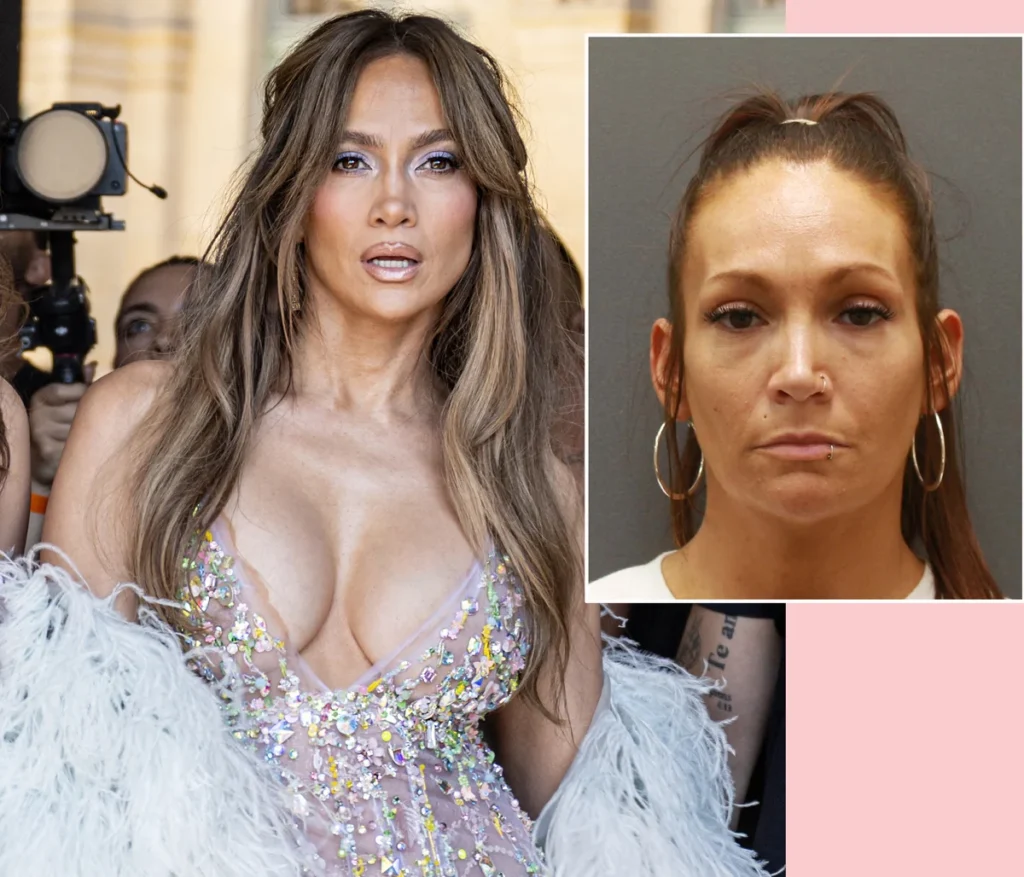

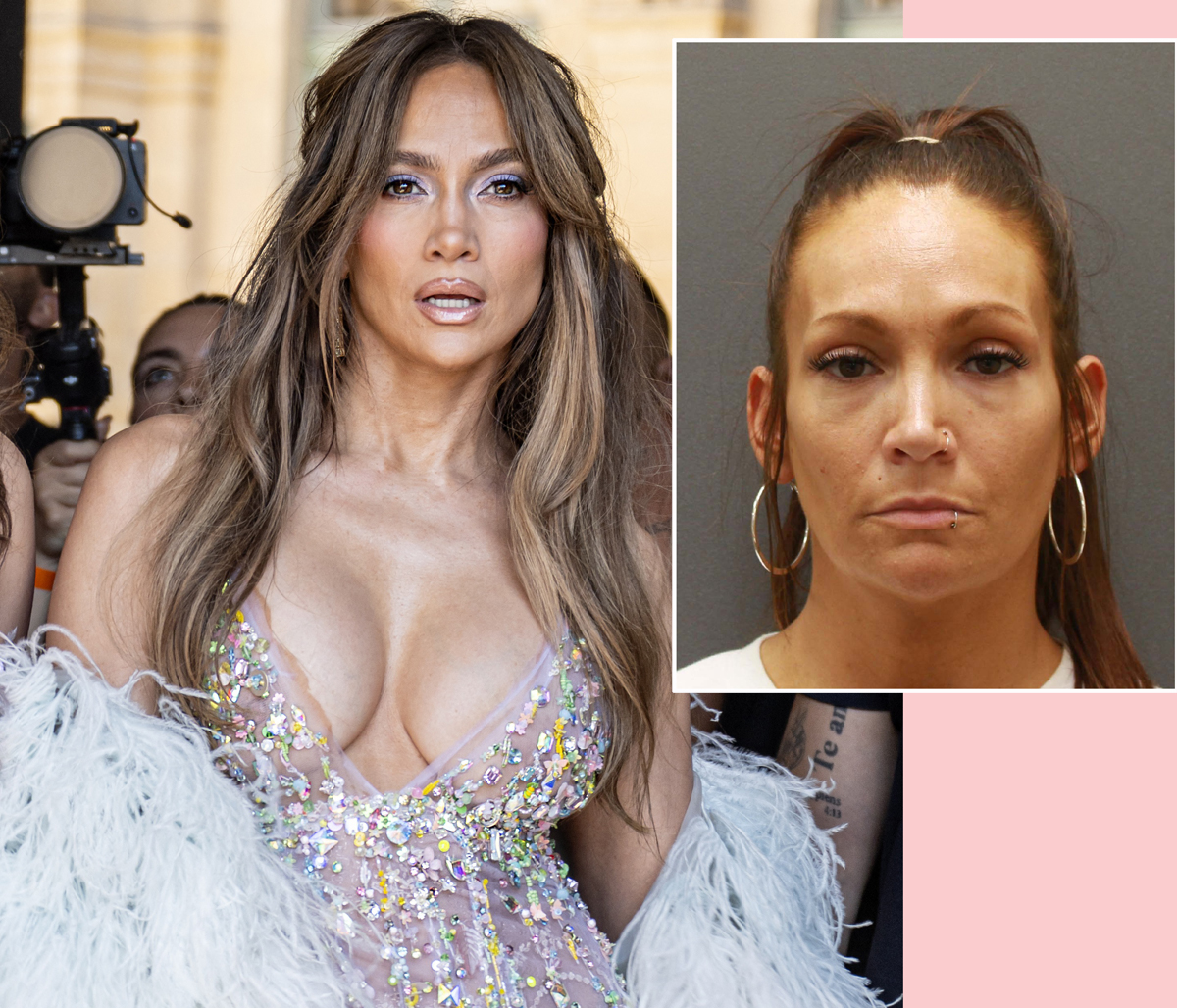
The digital landscape has once again found itself fixated on an uncanny case of celebrity doppelgänger phenomena following the circulation of a mugshot from the Wright County Sheriff’s Office in Minnesota. The image, which features 38-year-old Cyrena Anne Quast, has ignited a fervent debate across social media platforms, with thousands of users drawing comparisons between the suspect and the 57-year-old international entertainer, Jennifer Lopez. While the viral nature of the post highlights the internet’s obsession with celebrity lookalikes, the underlying circumstances involve a standard criminal proceeding regarding alleged retail theft.
Chronology of the Incident
The legal proceedings involving Cyrena Anne Quast began following an incident in August 2026. According to official police reports filed by the Wright County authorities, Quast was apprehended in connection with the theft of high-value merchandise from a retail establishment. Law enforcement officials allege that Quast bypassed point-of-sale systems to remove power tool batteries valued at approximately $500.
Following her arrest, Quast was processed at the local detention facility, where standard booking procedures—including the capturing of a mugshot—were conducted. The image was subsequently uploaded to the Sheriff’s Office public records portal, a routine administrative action for transparency and public awareness. Within 48 hours of the image surfacing on social media platforms, the photograph transitioned from a routine legal record into a viral sensation, fueled by users who noted a striking facial resemblance to the Bronx-born performer.
Anatomy of a Viral Phenomenon
The rapid dissemination of Quast’s booking photo underscores a recurring sociological trend: the "celebrity lookalike" phenomenon. When an average citizen shares a likeness with a high-profile figure, the resulting imagery often gains disproportionate traction online. In this instance, the comparison to Jennifer Lopez, a global icon known for her distinct aesthetic, provided the necessary "hook" for mass engagement.
The discourse surrounding the image has been deeply polarized. Proponents of the resemblance point to specific facial features, including jawline structure, eye shape, and the subject’s overall grooming, as evidence of a "twin-like" quality. Conversely, a vocal contingent of online commentators has dismissed these claims, arguing that the comparison is a byproduct of low-resolution photography, lighting conditions, and the human brain’s natural tendency toward pareidolia—the psychological phenomenon of seeing recognizable patterns or faces in objects or images where they do not actually exist.
Retail Theft and the Economic Context
While the internet focused on the aesthetic similarities to a pop star, the legal charges against Quast are representative of a broader national trend in retail crime. The theft of power tools and associated hardware has become a significant focal point for law enforcement agencies across the United States. According to data provided by the National Retail Federation (NRF), Organized Retail Crime (ORC) has seen a steady increase over the last five years, with power tools often ranking among the most targeted items due to their high resale value on secondary markets and ease of portability.
In Minnesota, theft of property valued between $500 and $1,000 is typically categorized as a gross misdemeanor. If convicted, defendants often face substantial fines, probation, and potential jail time, depending on their prior criminal history. The intersection of this serious legal matter with social media "meme culture" raises questions regarding the ethics of publicizing mugshots, a topic that has been debated by privacy advocates and legal scholars for years.
The Impact of Digital Permanence
The case of Cyrena Anne Quast serves as a case study for the permanence of digital records in the 21st century. Before the advent of ubiquitous social media, a mugshot for a gross misdemeanor would likely have remained within the confines of local police archives and court documents. Today, the digitization of public records allows such images to reach a global audience within hours.
This phenomenon can have long-lasting, real-world consequences for the individuals involved. Even if a suspect is acquitted or if charges are dropped, the "viral" version of their image often remains indexed on search engines indefinitely. Legal experts frequently note that the transformation of a private citizen into a viral "character" creates a secondary punishment that is entirely separate from the judicial process. The "Jennifer Lopez lookalike" label, while intended as a trivial observation by social media users, effectively strips the subject of their anonymity, potentially impacting future employment prospects and personal privacy.
Public Reception and Official Silence
As of mid-September 2026, representatives for Jennifer Lopez have not issued a statement regarding the comparison, which is standard practice for public figures who are frequently subjected to such digital trends. Similarly, the Wright County Sheriff’s Office has maintained its professional stance, focusing on the criminal investigation rather than the online commentary.
Public reaction, however, remains split. Some commentators have used the incident to engage in humor, with references to Lopez’s well-known music career, while others have expressed discomfort with the trend. Critics of the viral spread argue that the focus on the suspect’s appearance trivializes the criminal charge and creates a dehumanizing environment where the legal system is treated as entertainment.
Broader Societal Implications
The fascination with "celebrity lookalikes" in the context of criminal records is not a new occurrence, but it is one that has accelerated with the rise of AI-driven image optimization and algorithmic content delivery. Platforms such as X (formerly Twitter), TikTok, and Instagram prioritize content that sparks high engagement. Because comparisons to celebrities are inherently engaging, these platforms often amplify such images, pushing them into the feeds of millions of users who have no connection to the local Minnesota jurisdiction.
This incident highlights the need for a more robust conversation regarding the accessibility of booking photos. While the principle of "open records" is fundamental to a transparent democracy, the intersection of these records with viral culture suggests that the current system may require modernization. Balancing the public’s right to know with an individual’s right to move forward after a legal encounter remains a complex challenge for lawmakers.
Conclusion
Cyrena Anne Quast’s case has become a lightning rod for discussions ranging from facial recognition and aesthetic similarity to the ethics of digital shaming. While the resemblance to Jennifer Lopez was the catalyst for the image’s viral trajectory, the reality remains a somber legal case involving allegations of theft. As the internet continues to blur the lines between private life and public spectacle, the story of the "J.Lo lookalike" stands as a reminder of how quickly an individual can be thrust into the global spotlight for reasons far removed from their own intentions. The legal process in Wright County will proceed according to established Minnesota state law, while the digital echoes of the viral mugshot will likely persist in the archives of social media for years to come. The incident serves as a poignant reminder that in the age of viral connectivity, the consequences of a criminal arrest are no longer confined to the local community, but are instead subject to the scrutiny of a global audience.