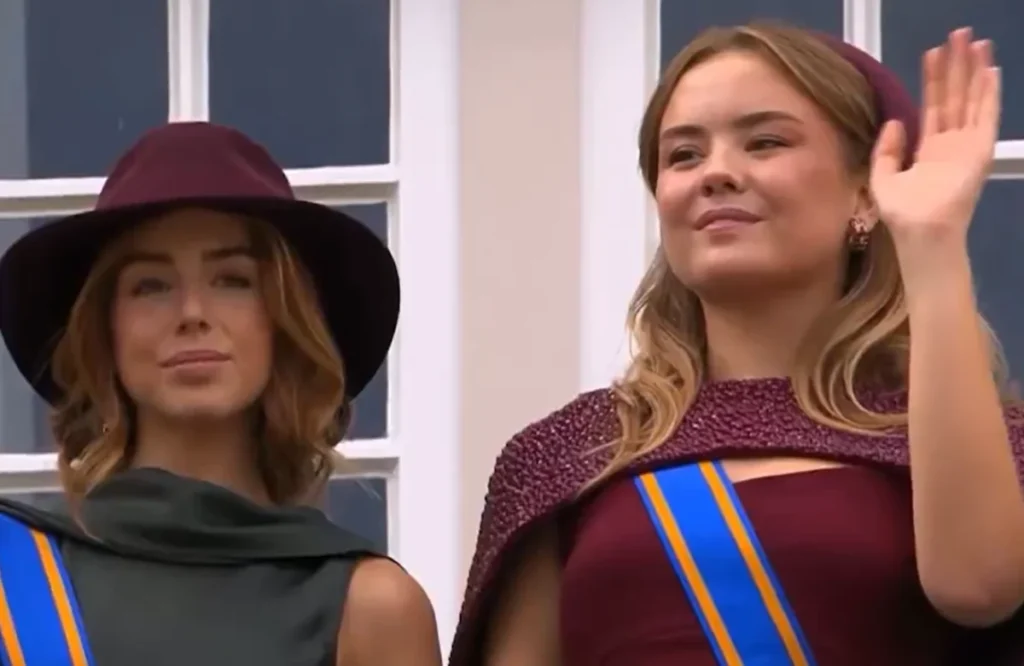

The Dutch royal family converged on The Hague for Prince’s Day, locally known as Prinsjesdag, marking the traditional opening of the parliamentary session. While King Willem-Alexander delivered the highly anticipated Speech from the Throne detailing the national budget, it was Queen Maxima who commanded the spotlight. Renowned globally for her bold affinity for vibrant colors, the Argentine-born Queen shocked royal watchers and fashion critics alike by stepping out in a striking monochrome ensemble. Adding to the morning’s sartorial narrative, her daughters honored royal sustainable fashion practices by raiding their mother’s extensive royal archive, reviving iconic pieces for the high-profile state occasion.
The annual celebration, steeped in centuries of political and cultural tradition, unfolded against a backdrop of public anticipation. Thousands of spectators lined the grand boulevards of The Hague to witness the procession of the historic Glass Carriage, the King’s address to the United Assembly of the States-General, and the subsequent traditional balcony appearance at Noordeinde Palace. As the Netherlands looks ahead to a new legislative year amid complex economic and social landscapes, the royal family’s synchronized presentation underscored themes of continuity, tradition, and modern environmental consciousness through generational wardrobe sharing.
A Bold Departure: Queen Maxima’s Monochrome Masterclass
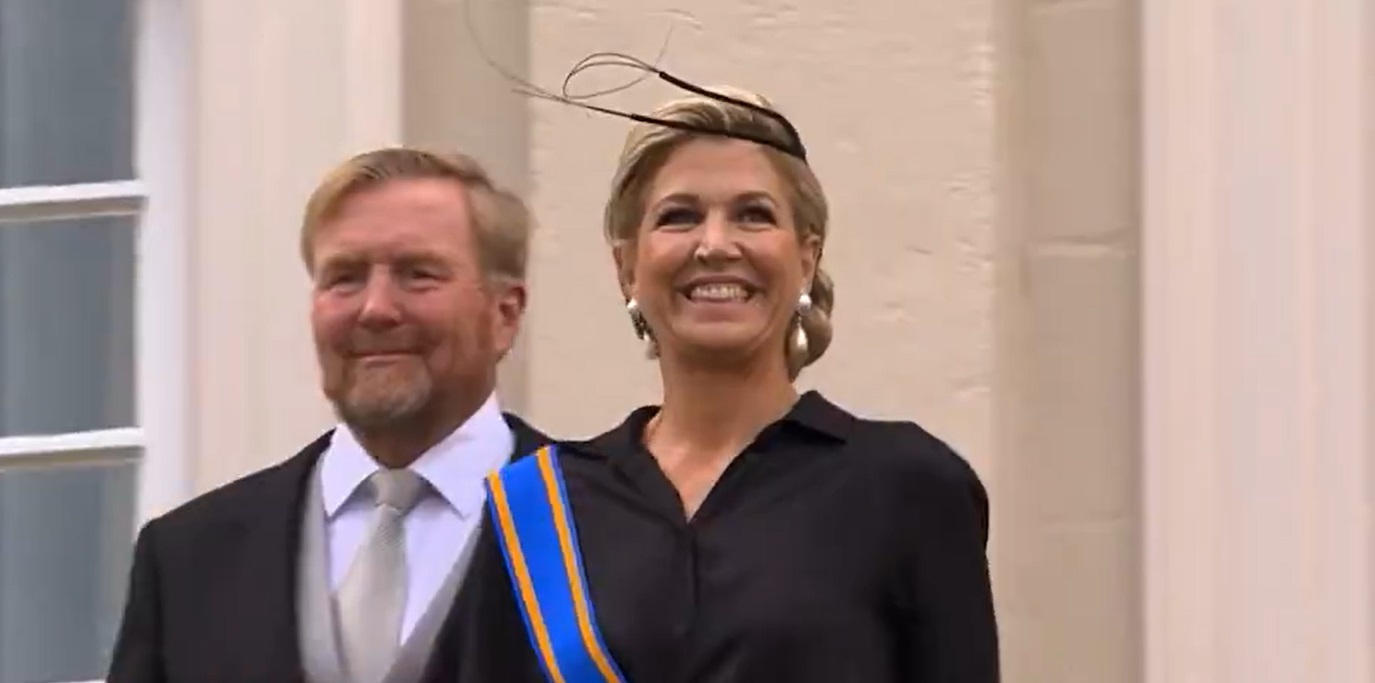
For decades, Queen Maxima has established a distinct reputation in European royal circles for her fearless approach to fashion. Her wardrobe choices routinely feature saturated hues, vivid jewel tones, contrasting color blocks, and oversized statement hats. However, Prinsjesdag shattered expectations as the Queen opted for a sophisticated and restrained black-and-cream monochrome palette.
Arriving at the parliament buildings, Maxima wore a tailored, high-necked black blouse paired with a sweeping, full-length cream skirt that offered an air of classic, understated elegance. The minimalist color scheme was elevated by architectural millinery—an avant-garde fascinator featuring a dramatic, swirling hat that tapered into a sharp point overhead. Eschewing heavier statement necklaces or colorful gemstones, she accessorized with a pair of luminous pearl earrings, maintaining a refined balance that allowed the structured lines of her outfit to take center stage.
Fashion analysts immediately noted the stylistic pivot. While Maxima’s previous Prinsjesdag appearances favored radiant yellows, magentas, and emerald greens to project optimism and visibility in large crowds, this year’s monochrome selection radiated quiet authority. The deliberate departure from her signature vibrancy generated immediate international media coverage, reinforcing her status as a global style icon capable of shifting trends with a single sartorial choice.
Sustainable Royalty: Princesses Embrace the Archives
The fashion narrative extended far beyond the Queen’s individual look, deeply involving her teenage daughters in a powerful display of sustainable royal fashion. As modern monarchies face increasing scrutiny over consumption and environmental impact, the younger generation of the House of Orange-Nassau demonstrated the timelessness of high-end design by borrowing directly from their mother’s historic wardrobe.
Princess Alexia and her younger sister, Princess Ariane, arrived alongside heir to the throne Princess Catharina-Amalia, drawing considerable attention for their coordinated ensembles. Nineteen-year-old Princess Ariane went a step further than mere accessory sharing, donning a rich burgundy evening-style gown that Queen Maxima had previously worn to Prinsjesdag several years prior. The gown, meticulously altered to fit the young princess, retained its sophisticated silhouette, proving that classic tailoring transcends generational divides. Additionally, Princess Ariane incorporated a vintage burgundy hat that once belonged to her mother, seamlessly blending heritage pieces into a cohesive modern look.
This intentional recycling of royal couture aligns with a broader European royal trend. Across various royal houses, including those of Spain, Sweden, and the United Kingdom, younger royals are frequently seen wearing archival pieces from their mothers’ closets. The practice not only curtails the environmental footprint associated with commissioning bespoke garments for every major state event but also signals a financially prudent and environmentally conscious approach to public life. By allowing her daughters access to her legendary closet, Queen Maxima reinforced values of sustainability and familial legacy on one of the nation’s most photographed stages.
The Chronology of Prinsjesdag: From Procession to Balcony
The rhythm of Prinsjesdag follows a meticulously choreographed timeline, deeply rooted in the Dutch constitution and historical pageantry. The day officially begins on the third Tuesday of September, transforming The Hague into a center of national pageantry, political discourse, and public celebration.
The morning commenced as the royal procession departed from Noordeinde Palace. King Willem-Alexander and Queen Maxima, accompanied by other senior members of the royal family, traveled through the historic streets in the iconic Glass Carriage. They were joined by Prince Constantijn and his wife, Princess Laurentien, who added further royal representation to the procession.
Upon arrival at the temporary venue for the States-General, the King was greeted by parliamentary officials and dignitaries. At approximately 1:00 PM local time, King Willem-Alexander delivered the Speech from the Throne (Troonrede). Written by the Cabinet—led by the Prime Minister—the speech outlines the government’s primary policy priorities, socioeconomic projections, and legislative agenda for the upcoming parliamentary year. This year’s address touched heavily on purchasing power, housing market stabilization, healthcare reforms, and international commitments, setting a serious tone for the political debates to follow.
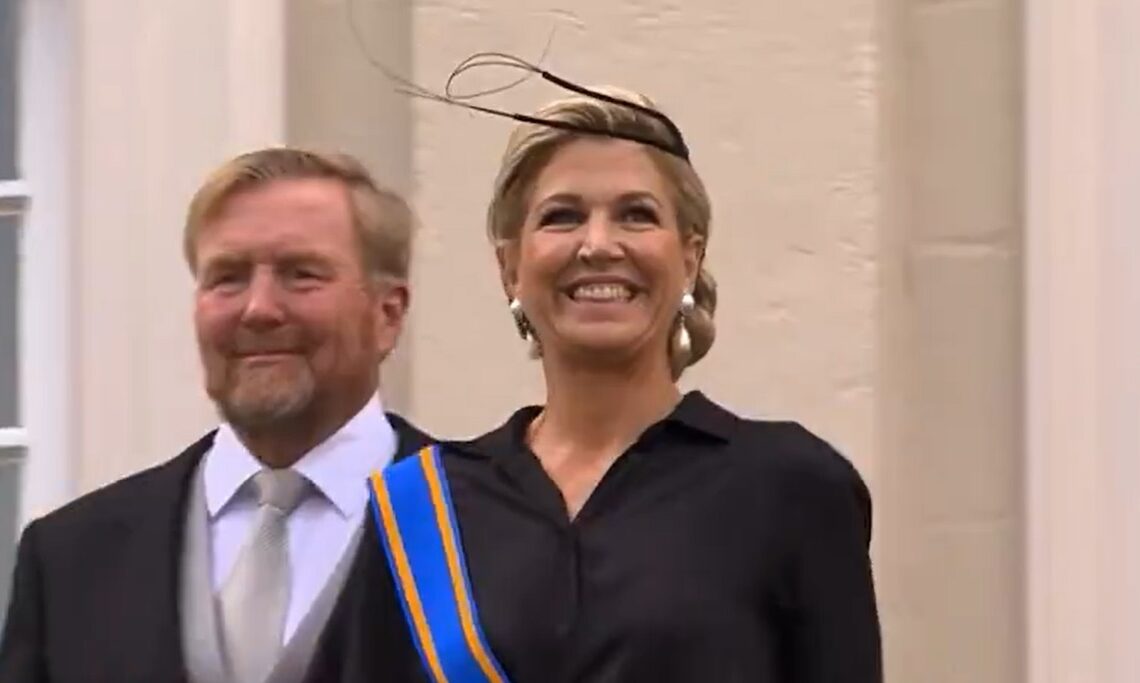
Following the conclusion of the address, the royal party retraced their route back to Noordeinde Palace via the Glass Carriage, waving to the enthusiastic crowds that lined the streets despite variable weather conditions. The culmination of the daytime events occurred on the palace balcony, where the family gathered to greet the public while the royal military band performed. In a cherished tradition, Princess Beatrix, the former monarch and mother of King Willem-Alexander, made a warm appearance at a nearby window to acknowledge the well-wishers, bridging three generations of Dutch leadership in a single public display.
Institutional Significance and Broader Implications
Prinsjesdag is far more than a ceremonial display of historic carriages and haute couture; it represents a foundational pillar of Dutch constitutional democracy. The event marks the formal intersection of the monarchy and the legislative branches of government. While the King holds no political power and reads the speech strictly on behalf of the cabinet, his physical presence underscores the unity and continuity of the Dutch state.
The socio-economic context surrounding the 2026 opening of parliament added heightened gravity to the proceedings. With citizens navigating ongoing cost-of-living adjustments, geopolitical shifts, and domestic policy debates, the royal family’s public engagements are closely monitored for tone and relevance. Observers note that by adopting a more subdued, elegant aesthetic—highlighted by Queen Maxima’s monochrome styling and the princesses’ sustainable wardrobe choices—the royal household subtly aligned itself with the economic mindfulness expected of the wider population.
Furthermore, the prominent visibility of the young princesses—Catharina-Amalia, Alexia, and Ariane—signals a deliberate transition in the public-facing identity of the House of Orange-Nassau. As Princess Catharina-Amalia increasingly steps into her constitutional role as heir apparent, supported by her sisters at major national events, the monarchy projects stability, unity, and generational renewal.
As the political machinery of The Hague now dives into months of intense budget negotiations and legislative voting, the imagery of Prinsjesdag 2026 will endure. Through calculated fashion statements, historic continuity, and flawless execution of ceremonial duties, Queen Maxima and her family ensured that the opening of the parliamentary year remained a masterclass in modern royal communication.