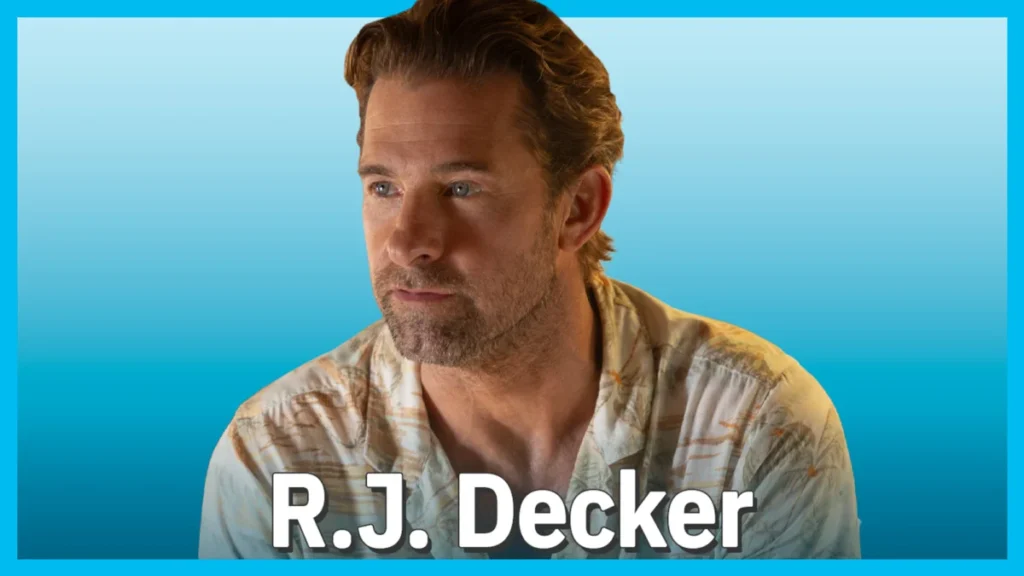

The highly anticipated second season of the ABC drama R.J. Decker has officially debuted, marking a significant tonal and narrative pivot for the series. Following a first season that concluded with the high-profile death of corrupt politician Victor Ochoa, portrayed by David Zayas, the new installment finds the titular private investigator, played by Scott Speedman, navigating a landscape defined by grief, strained personal loyalties, and a fundamental restructuring of his relationship with Emi, played by Jaina Lee Ortiz.
A Narrative Reset Following the Ochoa Murder
The premiere episode, which aired in the Tuesday 10/9c time slot, takes place exactly two months after the fallout of the Season 1 finale. The death of Victor Ochoa serves as the central catalyst for the current emotional state of the primary characters. For Emi, the loss of her father has necessitated a period of withdrawal. During the interim, R.J. Decker has consciously maintained distance, respecting the boundaries required for her mourning process.
This period of separation is interrupted by Catherine, R.J.’s ex-wife, played by Adelaide Clemens. Recognizing the isolation Emi faces—exacerbated by intense public scrutiny and media attention following the Ochoa investigation—Catherine steps in to provide support, including essential errands to shield Emi from public exposure. The episode culminates in R.J. extending a formal offer of friendship to Emi, a dynamic the show has never previously explored.
Historically, the relationship between R.J. and Emi has been characterized by volatility. Their past includes a brief physical encounter preceding Emi’s testimony in a legal proceeding that sent R.J. to prison, followed by a tentative attempt at reconciliation that was ultimately derailed by the chaotic events of the first season. By opting for a "friendship" baseline, the writers are attempting to ground the characters in a more stable, albeit untested, foundation.
Production and Creative Direction
Scott Speedman, in recent statements regarding the season’s trajectory, expressed support for this creative direction. He noted that the decision to "pull them apart" rather than force a romantic resolution allows for a deeper exploration of character development. The narrative strategy aims to prioritize the evolution of their bond over standard romantic tropes, suggesting that if a romantic connection were to re-emerge, it would be grounded in a more realistic understanding of their individual motivations and shared history.
The production of the Season 2 premiere also marked a departure from the show’s standard aesthetic through a collaboration with the hit dance competition series Dancing With the Stars. In a sequence choreographed to the Backstreet Boys’ 1997 hit "Everybody (Backstreet’s Back)," professional dancers Jenna Johnson and Val Chmerkovskiy performed a flash mob scene. The sequence was integrated into the plot as a tactical distraction utilized by R.J. to apprehend a pickpocket, who was identified in a cameo by Joey Graziadei of The Bachelor. The scale of the production—filmed on location in Fort Lauderdale—underscores the show’s shift toward a larger, more cinematic scope.
Procedural Complexity and Ethical Dilemmas
Beyond the central interpersonal arcs, the premiere introduced a self-contained case-of-the-week that highlights the precarious ethical position of a private investigator with a criminal record. The investigation involved a group of bank robbers known for utilizing unconventional distraction tactics. The getaway driver, a character named Steven, is established as a former associate who previously saved R.J.’s life during their time in prison.

This subplot creates a significant conflict of interest for R.J. He is pressured to withhold information from law enforcement, specifically Mel, played by Bevin Bru, who is a central investigator on the case. The situation is further complicated by the inclusion of FBI agent Sarah, played by Sasheer Zamata, with whom R.J. shares a fraught professional and personal history. The resolution of the case, which finds the primary suspects deceased, underscores the high-stakes environment in which R.J. operates.
From a structural standpoint, the episode serves to re-establish the stakes for the protagonist. If R.J. is found to be obstructing justice or violating his parole conditions, the consequences involve significant prison time. The series continues to emphasize that R.J. frequently acts on impulse, prioritizing immediate needs—such as loyalty to a former savior—over long-term legal safety.
Chronology of Key Developments
- Season 1 Finale: The death of Victor Ochoa leaves Emi in a state of crisis and the relationship between R.J. and Emi in a state of suspension.
- Two-Month Time Jump: The narrative moves forward to allow for the cooling of immediate tensions and the solidification of new boundaries.
- The Premiere: R.J. and Emi attempt to establish a platonic friendship, a first for their characters.
- The Case-of-the-Week: R.J. navigates a conflict between loyalty to an old associate and his obligations to law enforcement, reinforcing his precarious legal status.
- Ongoing Investigation: The mystery surrounding the circumstances of Victor Ochoa’s death remains an unresolved thread that will likely dominate the remainder of the season.
Analytical Perspective on Series Trajectory
The shift in R.J. Decker’s storytelling toward a more deliberate character study is a strategic choice often seen in successful procedurals looking to transition into long-term drama. By removing the immediate pressure of a "will they/won’t they" romance, the show creates room for external conflicts to test the characters’ resolve.
The inclusion of high-production-value segments like the flash mob, while stylistically jarring, signals to the audience that the show is operating with a broader creative budget and a desire to experiment with tone. However, the core of the show remains the investigation into the Ochoa murder. This remains the primary anchor for the audience, providing a through-line that connects the episodic procedural elements to the overarching mystery.
Implications and Future Outlook
The decision to focus on the "friendship" phase between R.J. and Emi carries significant implications for the show’s pacing. By delaying the romantic payoff, the writers are banking on the audience’s investment in the characters’ personal growth rather than their relationship status.
Furthermore, the introduction of FBI and law enforcement characters who have personal histories with R.J. suggests that the coming episodes will place a greater emphasis on the bureaucracy and legal scrutiny surrounding private investigation. With the threat of re-incarceration looming over R.J., the show maintains a baseline level of tension that is essential for a drama of this genre.
As the season progresses, viewers can expect a deepening of the mystery surrounding Victor Ochoa. The interplay between the investigative "case-of-the-week" format and the long-term character arcs will determine whether the show can maintain its momentum. Given the strong critical reception to the character-driven changes in the premiere, the series appears poised to balance its procedural roots with a more mature, serialized narrative approach.
The production team has indicated that further episodes will continue to challenge R.J.’s decision-making process, forcing him to reconcile his past actions with his current desire for a more stable, albeit complex, life. For fans of the series, the second season represents a conscious effort to elevate the stakes while remaining committed to the central relationships that defined its initial success. With the premiere setting a high bar for production value and narrative complexity, R.J. Decker is positioning itself as a staple of the Tuesday night television schedule.