
The landscape of original comic book art is undergoing a profound cultural and economic re-evaluation, transitioning from the hidden margins of bargain hotel basements and plastic storage containers to the opulent halls of historic landmarks. This shift is set to be formally recognized with the launch of the inaugural ICON Festival of Comic and Narrative Art, scheduled to take place on November 7 and November 8 at the storied and gilded Biltmore Hotel in Los Angeles. Founded by industry veterans and elite art representatives Sal Abbinanti and Steve Morger, the two-day exclusive event represents a deliberate departure from the commercialized, blockbuster-heavy atmospheres of traditional, sprawling pop-culture conventions. Instead, ICON aims to honor contemporary comic creators not merely as commercial illustrators, but as vital fine artists whose contributions mirror the cultural resonance of mid-century artistic luminaries.
The Rise of Comic Art as Fine Art
For decades, the market for original comic book artwork suffered from a lack of mainstream institutional validation. Historically, pages of meticulously inked line art and hand-painted covers were treated as ephemeral byproducts of mass-produced monthly publications rather than standalone masterworks. Creators frequently received little to no financial return when their original pages were resold on a burgeoning secondary market, and collectors often sourced these pieces in less-than-ideal conditions—combing through unprotected portfolios in hotel ballrooms at regional comic book conventions.
However, the cultural paradigm has experienced a steady acceleration over the last twenty years. The medium has steadily breached traditional fine art barriers, reinforced by major institutional commitments such as the upcoming Lucas Museum of Narrative Art, which places illustration and comic art on equal footing with classical narrative painting. Furthermore, the economic valuation of original comic art has surged dramatically at major auction houses like Heritage Auctions and Sotheby’s, where historic covers and interior pages by Golden and Silver Age masters regularly command hundreds of thousands, and occasionally millions, of dollars.
Against this backdrop of rising institutional and financial appreciation, co-founders Sal Abbinanti and Steve Morger recognized an acute need for a boutique gathering centered exclusively on the creators and the physical artwork itself. Having spent several years producing a similar, highly successful festival in Italy, Abbinanti observed a stark cultural contrast in how European audiences perceive comic illustrators. Abroad, these creators are viewed simply as artists, stripped of the genre-specific marginalization that has historically plagued the American comic book industry.
Seeking to replicate that level of reverence domestically, while simultaneously reacting to the dilution of traditional comic conventions—which have increasingly prioritized Hollywood celebrity autographs, massive commercial displays, and consumer electronics over literary and artistic substance—the organizers conceived ICON as an antidote to mass commercialism. By capping attendance and emphasizing intimate, one-to-one interactions between collectors and creators, the festival is designed to restore a sense of personal connection and high-art dignity to the appreciation of comic illustration.
An Elite Roster of Contemporary Masters
The inaugural ICON Festival boasts an extraordinary lineup of some of the most influential and commercially successful contemporary artists working in the comic book and narrative art industries today. Among the headline participants is Nick Dragotta, whose dynamic and gritty penciling on DC Comics’ top-selling Absolute Batman has captivated readership and redefined the visual language of the iconic character for a modern audience.
Joining him is Daniel Warren Johnson, an Eisner Award-winning writer and illustrator celebrated for his kinetic, emotionally resonant storytelling on projects such as the Absolute Batman Annual No. 1 and Image Comics’ critically acclaimed Transformers series. Ryan Ottley, renowned for his defining, visceral work on the modern masterpiece Invincible, rounds out the core roster of contemporary comic book architects attending the event.
Perhaps the centerpiece of the visual exhibition will be a dedicated retrospective showcasing more than 100 original works by legendary painter Alex Ross. Widely credited with single-handedly revolutionizing painted comic books through seminal, universally acclaimed graphic novels like Marvels and Kingdom Come, Ross represents the pinnacle of classical illustration techniques applied to modern mythological iconography. His latest ambitious graphic novel, Marvel Dimensions, published by Abrams Comic Arts, arrived in bookstores just days prior to the festival’s announcement, adding timely momentum to his featured exhibition.
The broader roster of participating artists reflects a vast cross-section of genres, styles, and publishing houses, including Eric Basaldua (Witchblade), Jim Cheung (Young Avengers), Frank Cho (Skybourne), Ace Continuado (Robyn Hood), Sanford Greene (Bitter Root), Megan Huang (Star Wars), Dave Johnson (Superman: Red Son), David Mack (Jessica Jones), Dustin Nguyen (Robin & Batman), Alex Niño (Creepy), Jason Palmer (Firefly), Dan Panosian (Wolverine Paradise), Bill Sienkiewicz (Elektra Assassin), Cat Staggs (John Carpenter’s Tales for a Halloween Night), William Stout (Guillermo del Toro’s Pan’s Labyrinth), and Dean Yeagle (Mandy). In addition to these luminaries, a select group of specialized original art dealers will be present to facilitate acquisitions for serious collectors.
A Luxury Venue Rooted in Hollywood History

The choice of the Los Angeles Biltmore Hotel as the venue for the inaugural festival is far from incidental; it is a calculated statement of intent regarding the cultural weight and prestige the organizers wish to confer upon the medium. Opened in 1923, the historic Biltmore is an architectural landmark of Southern California, widely celebrated for its gilded ceilings, sweeping frescoed corridors, and opulent Renaissance-revival architecture. Notably, the hotel holds a foundational place in Hollywood lore as the site where the initial concepts and plans for the Academy of Motion Picture Arts and Sciences were formulated in the mid-1920s.
By placing an exhibition of original comic and narrative art inside such an institution, the festival’s leadership aims to dismantle lingering cultural biases that historically categorized sequential art as lowbrow or purely juvenile entertainment.
"This is not your usual comic book event," Alex Ross noted in an official statement regarding the venue and scope of the gathering. "This is a luxury event, being held where the Academy Awards were first conceived."
Sal Abbinanti echoed this sentiment, drawing a direct parallel between the cultural impact of today’s premier comic artists and the vanguard art movements of the twentieth century. "This thing that used to be our ‘club’ of comic art, as some would call it, just exploded into something that has cultural relevance," Abbinanti stated. "I believe that the comics artists of today are what Basquiat and Andy Warhol and Jasper Johns were to the art movement of the ’60s. I believe we are in the middle of this renaissance right now."
Ticketing Structure and Exclusive Offerings
Reflecting its boutique and exclusive nature, tickets for the ICON Festival went on sale directly following the event’s announcement, encompassing VIP, two-day, and single-day access passes. Capacity has been strictly limited to preserve the intimate atmosphere and prevent the overcrowded, commercialized environment typical of modern convention centers.
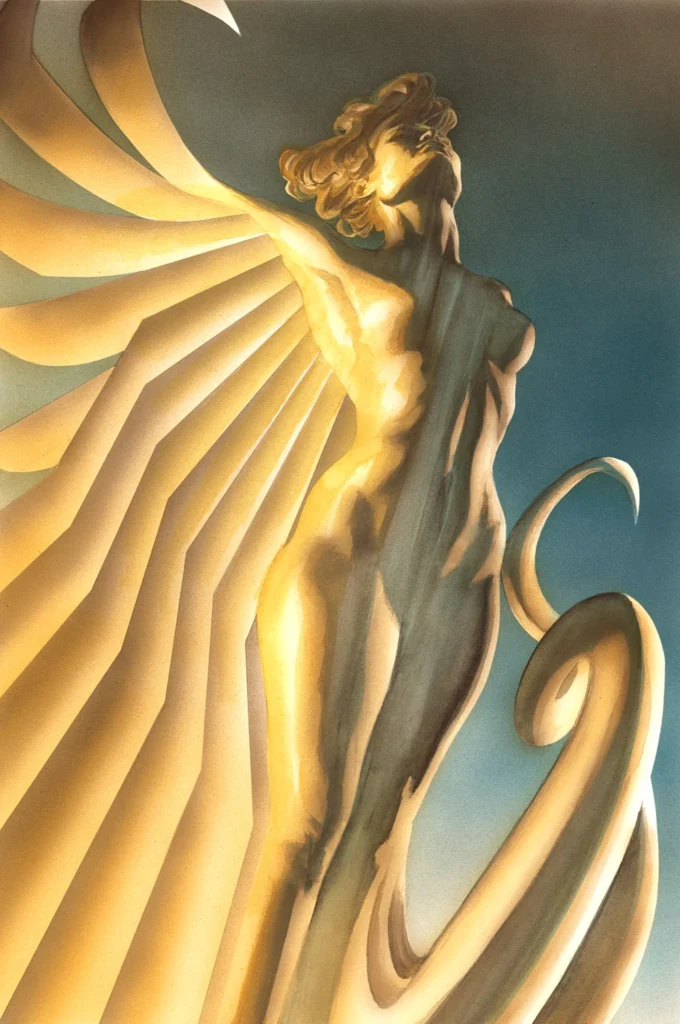
The premier VIP package offers high-end collectors and enthusiasts unique added value, including a specially commissioned, signed giclee print of a brand-new painting by Alex Ross. Created specifically to commemorate the inaugural festival, the artwork depicts an angelic figure designed to evoke the architectural grandeur of the Biltmore Hotel while channeling the timeless aesthetic of Old Hollywood glamour.
Broader Implications for the Original Art Market
The launch of the ICON Festival arrives at a crucial inflection point for the comic book industry and the secondary market for original art. As comic book properties continue to dominate global entertainment revenue through cinematic adaptations and streaming series, the foundational physical art assets that inspired these multi-billion-dollar empires are experiencing an unprecedented surge in institutional and speculative interest.
Industry analysts suggest that events like ICON could accelerate the formal integration of comic illustrations into traditional fine art auction houses, museum exhibitions, and private wealth portfolios. By removing the transactional noise of mass consumer merchandising and focusing intensely on archival-quality original works, the festival establishes a new benchmark for how comic art is marketed, exhibited, and consumed.
Furthermore, by elevating the direct relationship between creators and collectors within a luxury framework, the event addresses long-standing economic imbalances in the comic industry, where artists historically surrendered ownership of their original pages for nominal fees. As original art commands increasingly significant market values, dedicated institutional platforms like ICON provide a vital nexus for authenticating value, educating new generations of collectors, and cementing the permanent historical legacy of sequential art.
As the doors of the Biltmore Hotel open this November, the inaugural ICON Festival of Comic and Narrative Art will serve as a definitive litmus test for the cultural maturity of the medium—proving that the stories told in panels and ink deserve a permanent, celebrated place among the highest achievements of contemporary visual culture.