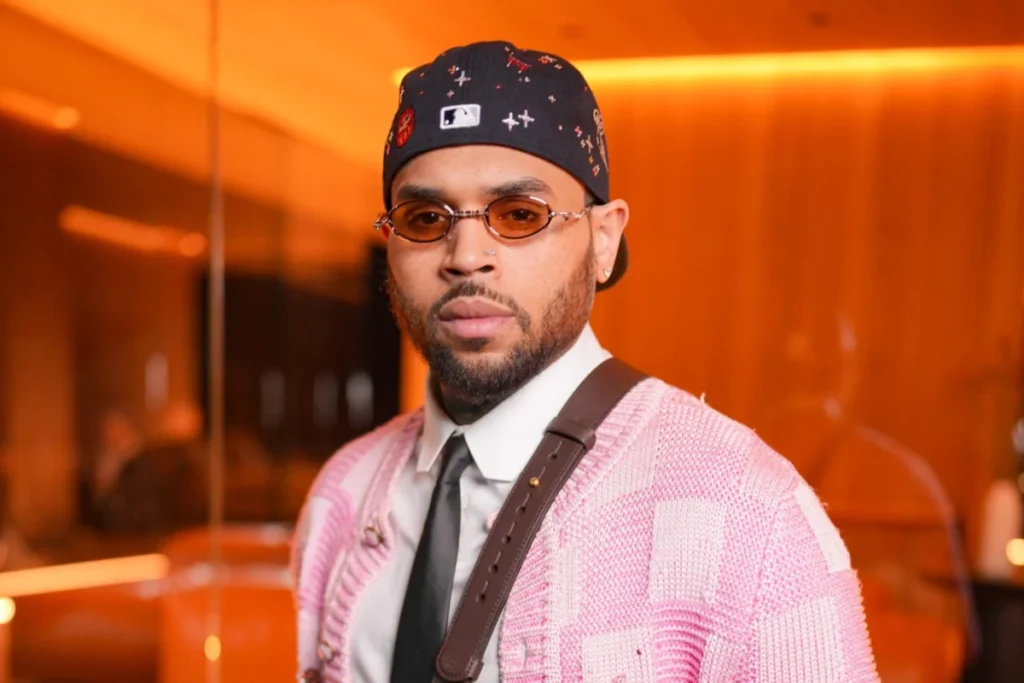

Singer Chris Brown has pleaded guilty to a charge of "affray" in London’s Southwark Crown Court, a plea that absolves him of more severe assault and grievous bodily harm charges stemming from a 2023 incident at a London nightclub. The plea, entered on Friday, July 24th, concluded a significant legal chapter for the Grammy-winning artist, who had been facing allegations of a violent altercation that occurred in the early hours of February 19, 2023. The resolution marks a pivotal moment in the ongoing legal scrutiny the artist has faced internationally.
Background of the Incident
The charges against Brown and his vocal coach, Omololu Akinlolu, also known as Florida rapper Hoody Baby, centered on an alleged bottle attack at the exclusive private members’ club Tape, located in London’s affluent Mayfair district. According to prosecution statements, the incident involved an alleged "vicious and unprovoked attack" on music producer Amadou "Abe" Diaw. Prosecutors detailed that Brown reportedly approached Mr. Diaw and struck him over the head with a bottle. Akinlolu is alleged to have joined the assault, punching Mr. Diaw in the head. The Crown Prosecution Service further stated that the assault continued as Mr. Diaw attempted to escape through the club, with the victim reportedly being kicked while in a defenseless position on the floor.
Chronology of Legal Proceedings
The legal entanglement began with Brown’s arrest in May 2025, as he arrived in the United Kingdom for his "Breezy Bowl XX" tour. At the time of his arrest, he was charged with assault, suspicion of grievous bodily harm, and possession of an offensive weapon, identified as a tequila bottle. Both Brown and Akinlolu initially pleaded not guilty to these more serious charges in June of the previous year. Following his arrest, Brown was released on bail amounting to $6.75 million, allowing him to commence his European tour dates. The case has been a protracted one, involving extensive investigation by the Metropolitan Police.
The Plea and Dropped Charges
The resolution in Southwark Crown Court on Friday saw both Brown and Akinlolu enter guilty pleas to the lesser charge of affray, which broadly encompasses public disorder arising from a public fight. This plea agreement led to the dropping of the more serious charges of assault and suspicion of grievous bodily harm that had been leveled against them. The court hearing itself was notably brief, lasting less than five minutes. This outcome signifies a strategic shift in the legal defense, likely aimed at mitigating potential prison sentences and avoiding lengthy and potentially damaging trials for the more severe allegations.

Official Statements and Victim’s Account
Detective Zara Ripamonti of the Metropolitan Police, speaking to BBC News, characterized the incident as a "disgraceful, unprovoked assault that put a man in hospital." She emphasized the police’s commitment to bringing perpetrators of serious violence to justice and expressed satisfaction that the men had accepted their actions were criminal.
The victim, Amadou Diaw, reportedly sustained head and knee injuries and required hospitalization. Following the alleged assault, Mr. Diaw had initiated a $16 million lawsuit against Chris Brown. However, this civil action was subsequently dropped. The reasons for the lawsuit’s dismissal remain unclear, and it is unknown whether the parties reached an out-of-court settlement. The decision to drop the civil suit, especially in light of the criminal proceedings, adds another layer of complexity to the aftermath of the incident.
Legal Ramifications and Sentencing
The affray charge carries a maximum sentence of three years imprisonment. Chris Brown and Omololu Akinlolu are scheduled to return to court on October 26th for their sentencing hearing. The judge has granted Brown permission to leave the UK ahead of the sentencing, with the stipulation that he must return by October 25th. This arrangement highlights the court’s acknowledgment of Brown’s international commitments, including his ongoing career and potential tour schedules, while still ensuring his accountability for the legal proceedings.
Broader Context and Artist’s History
This legal development occurs within the broader context of Chris Brown’s long and often turbulent public life. The artist has a history of legal issues, most notably his 2009 felony assault conviction for attacking his then-girlfriend, Rihanna. This past conviction has often colored public perception and media coverage of any subsequent legal entanglements. The affray plea in London adds another chapter to this narrative, prompting discussions about accountability, rehabilitation, and the long-term impact of past actions on an individual’s present and future legal standing.
The "Breezy Bowl XX" tour, which led to Brown’s arrest in the UK, is part of his ongoing efforts to maintain a presence in the music industry. His ability to continue touring and releasing music, despite facing legal challenges, underscores the complex relationship between celebrity, public scrutiny, and the justice system. The success of his tours and album sales often indicates a significant and loyal fanbase that continues to support his artistic endeavors.
Analysis of the Plea Bargain
The decision for Brown and Akinlolu to plead guilty to affray can be analyzed as a pragmatic legal strategy. Affray, while a criminal offense, is generally considered less severe than aggravated assault or grievous bodily harm, which can carry significantly longer prison sentences and have more profound implications for an individual’s criminal record. By accepting responsibility for a lesser charge, the defendants likely aimed to secure a more manageable sentence and avoid the uncertainties and potential penalties of a trial for the more serious allegations. This type of plea bargain is common in criminal justice systems, where prosecutors may offer a reduced charge in exchange for a guilty plea, thereby ensuring a conviction and avoiding the resource-intensive process of a full trial.
The prosecution’s willingness to drop the more serious charges suggests that they may have assessed the strength of their evidence for those specific offenses as potentially weaker or that the plea to affray was deemed a satisfactory outcome in securing a conviction for violent public disorder. The "vicious and unprovoked attack" description by prosecutors indicates the seriousness with which the incident was viewed by law enforcement, even if the final conviction is for a less severe offense.
Impact on the Music Industry and Public Perception
The legal resolution for Chris Brown in London will undoubtedly be closely watched by the music industry and his global fanbase. While a conviction for affray is a significant legal consequence, it is likely to be perceived differently by the public than a conviction for more serious assault charges. This could allow him to continue his career with less severe professional repercussions, although the shadow of his past legal troubles will likely continue to influence public perception and media coverage.
The case also highlights the challenges faced by artists who operate in high-profile and often volatile environments. Nightclubs and private members’ clubs can be settings for both social gatherings and potential conflicts. The legal system’s response in such cases aims to balance the need for accountability with the complexities of alleged altercations in public spaces.
Conclusion
Chris Brown’s plea of guilty to affray in London marks the conclusion of a significant legal chapter concerning the 2023 nightclub incident. While the singer avoids more serious assault charges, the conviction for affray carries potential consequences, including imprisonment, with sentencing due in October. The case serves as a reminder of the legal scrutiny faced by public figures and the intricate pathways of the justice system in addressing allegations of violence. The outcome will likely continue to shape discussions surrounding accountability and the ongoing narrative of the artist’s career.