
The legal challenges surrounding high-profile internet personalities Andrew and Tristan Tate have entered a significant new phase following their recent arrest in Miami and the authorization of dozens of criminal charges by British authorities. The Crown Prosecution Service (CPS) of the United Kingdom has formally authorized a total of 38 new charges against the brothers, prompting a request for their extradition from the United States to face trial on British soil. Despite the brothers’ previous claims of political alignment with the current American administration, President Donald Trump has signaled a policy of non-interference, with White House officials stating that the executive branch has no involvement or official stance on the judicial proceedings.
The Tate brothers, who have built a massive and often controversial global following through their "Manosphere" content, were taken into custody by American law enforcement in Miami. This development follows a protracted period of legal scrutiny that began in Romania and has now expanded to include historical and recent allegations in the United Kingdom. The charges authorized by the CPS are comprehensive and severe, ranging from sexual assault and human trafficking to the possession of illicit digital materials.
Detailed Breakdown of the New Criminal Charges
The authorization of 38 new charges marks a substantial escalation in the legal pressure facing the Tate brothers. According to the case file submitted by Bedfordshire Police, the investigation involves evidence dating back as far as 2012, suggesting that British authorities have been compiling a longitudinal record of alleged misconduct.
Andrew Tate, the more prominent of the two siblings, faces the bulk of the new allegations. The CPS has authorized seven counts of rape and three counts of arranging or facilitating trafficking for sexual exploitation. Furthermore, he faces three counts of assault occasioning actual bodily harm (ABH), a charge that signifies physical injury inflicted upon a victim. Perhaps most significantly in terms of potential sentencing and public perception, Andrew Tate also faces 19 charges related to the alleged possession and distribution of indecent images of a child and extreme pornography.
Tristan Tate is also facing a heavy slate of charges, though fewer in total number than his brother. The CPS has authorized one count of sexual assault, two counts of rape, and three counts of arranging or facilitating trafficking for sexual exploitation against him. Both brothers have "unequivocally" denied all allegations, with their legal representatives maintaining that the evidence is flawed and the timing of the charges is suspect.
The Role of the Crown Prosecution Service and Bedfordshire Police
The move to extradite the Tates is the result of an extensive investigation led by Bedfordshire Police. In the British legal system, the police are responsible for gathering evidence, while the CPS determines whether that evidence provides a "realistic prospect of conviction" and whether a prosecution is in the public interest.
The submission of a file of evidence dating back to 2012 indicates that investigators have revisited older complaints in light of newer testimony or digital evidence. In many cases involving sexual offenses and human trafficking, victims may take years to come forward, often emboldened by the visibility of other survivors or the commencement of related legal proceedings. The CPS’s decision to move forward with nearly 40 charges suggests a high degree of confidence in the evidence gathered by the Bedfordshire constabulary.
Presidential Non-Intervention and the "Witch Hunt" Defense
A central point of discussion in the wake of the Miami arrests has been the potential for political intervention. Andrew Tate has frequently voiced support for Donald Trump, often framing his own legal battles as part of a broader struggle against a "globalist elite" or "the Matrix." Following the arrests, several vocal supporters within the Republican base called for the President to intervene, citing concerns over the brothers’ due process rights and the perceived political nature of the U.K. charges.
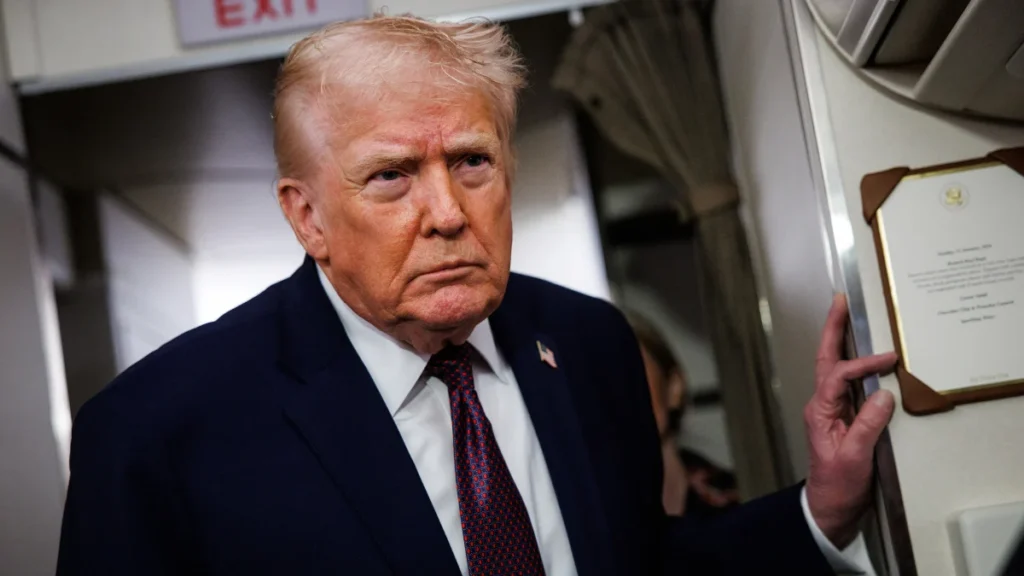
However, the White House has maintained a strict boundary between the executive branch and the judicial processes involving international extradition. A White House official clarified the administration’s position, stating, “The White House has no involvement and no feelings on the issue.” When asked directly about Andrew Tate’s previous claims that the Trump administration had assisted him in returning to the United States during his Romanian legal battles, President Trump stated he knew “nothing about it.”
The Tates’ legal counsel has characterized the extradition attempt as a “politically motivated witch hunt.” This defense strategy mirrors the rhetoric often used by high-profile figures facing criminal prosecution, suggesting that the legal system is being weaponized to silence influential voices. Despite these claims, the extradition process between the U.K. and the U.S. is governed by a formal treaty that relies on legal standards rather than political sentiment.
A Chronology of Legal Troubles: From Romania to Miami
The current extradition fight is the latest chapter in a multi-year legal saga that has spanned several continents. To understand the gravity of the current situation, it is necessary to look at the timeline of events that led to the Miami arrests:
- 2012–2015: The timeframe for the earliest allegations currently being pursued by Bedfordshire Police. During this period, the Tates were living in the United Kingdom before relocating their primary operations to Eastern Europe.
- December 2022: Andrew and Tristan Tate were arrested in Bucharest, Romania, by the Directorate for Investigating Organized Crime and Terrorism (DIICOT). They were accused of human trafficking, rape, and forming an organized criminal group to sexually exploit women.
- 2023: The brothers spent several months in Romanian custody before being moved to house arrest. During this time, they continued to maintain their innocence through social media and interviews, alleging that the Romanian government was acting under international pressure.
- Early 2024: While still under judicial control in Romania, the brothers were granted permission to travel, eventually making their way to the United States.
- Saturday (Recent): The brothers were arrested in Miami, Florida, based on the U.K. extradition warrant and the newly authorized CPS charges.
This timeline illustrates a persistent pattern of legal scrutiny. While the Romanian case focused heavily on the brothers’ "Loverboy" method of recruitment for their webcam business, the U.K. charges appear to cover a broader spectrum of alleged criminal activity over a longer duration.
Understanding the U.K.-U.S. Extradition Treaty
The extradition of the Tate brothers from the United States to the United Kingdom is governed by the 2003 Extradition Treaty between the two nations. This treaty is designed to streamline the process of transferring individuals accused of "extraditable offenses"—crimes that are punishable in both countries by a prison term of at least one year.
Under the treaty, the requesting country (the U.K.) must provide a warrant for arrest and a description of the offenses. Because the Tates are being sought for trial rather than to serve a sentence, the U.K. must also provide evidence that would justify their arrest under U.S. law. This is known as "probable cause."
The process typically involves a hearing before a U.S. federal judge, who determines if the legal requirements of the treaty have been met. The judge does not decide guilt or innocence but rather whether there is sufficient evidence to send the accused to the requesting country. If the judge approves the extradition, the final decision rests with the U.S. Secretary of State, who considers potential human rights concerns or political motivations before signing the surrender warrant.
The "Manosphere" and the Impact of Social Media Influence
The Tate brothers are not merely private citizens; they are cultural icons for a specific segment of the internet. Andrew Tate, in particular, has garnered billions of views on platforms like TikTok and X (formerly Twitter), despite being banned from several mainstream services at various points. His brand of "hyper-masculinity" and financial advice has created a devoted fanbase that views his legal troubles as an attack on his message.
This digital influence complicates the legal proceedings. The "Manosphere"—a collection of websites, blogs, and social media personalities focused on men’s issues—often reacts to these cases with skepticism toward traditional media and government institutions. The Tates’ ability to bypass traditional media and speak directly to millions of followers allows them to shape the narrative surrounding their case, often framing themselves as victims of a coordinated effort to suppress "uncomfortable truths."
However, from a legal perspective, this influence is largely irrelevant to the charges at hand. The CPS and Bedfordshire Police are focused on specific allegations of physical and sexual violence, as well as the possession of illegal digital content. The contrast between the Tates’ online persona of luxury and power and the grim nature of the charges creates a significant divide in public perception.
Broader Implications and International Legal Precedents
The extradition case against the Tate brothers could set a significant precedent for how international law handles high-profile digital influencers who operate across multiple jurisdictions. The case involves three major legal systems: the Romanian, the British, and the American.
If the extradition is successful, it will demonstrate the robustness of the U.K.-U.S. legal partnership in tackling complex cases involving human trafficking and sexual exploitation. It also highlights the increasing difficulty for individuals to evade legal scrutiny by moving between countries, as digital footprints and international cooperation between police forces make it harder to remain beyond the reach of the law.
Furthermore, the charges related to "indecent images of a child" and "extreme pornography" represent a shift in the legal focus. While previous investigations centered on the treatment of adult women in the Tates’ webcam business, these new charges suggest that investigators have uncovered materials that fall into a different, and often more strictly prosecuted, category of digital crime.
Current Status and Next Steps
Following their arrest in Miami, Andrew and Tristan Tate are expected to remain in federal custody or under strict bail conditions while the extradition hearings proceed. The U.S. court system will now review the evidence provided by the U.K. authorities to ensure it meets the standards required by the treaty.
The legal teams for the Tates are expected to fight the extradition vigorously, likely arguing that the brothers cannot receive a fair trial in the United Kingdom due to the intense media coverage and the alleged political nature of the prosecution. They may also challenge the validity of the evidence dating back to 2012, questioning why these charges were not brought forward sooner.
As the proceedings continue, the case remains a focal point for international media, legal experts, and the millions of followers who track the brothers’ every move. The refusal of the Trump administration to intervene underscores a commitment to the standard judicial process, leaving the fate of the Tate brothers in the hands of the courts rather than the political arena. The coming months will reveal whether the evidence compiled by Bedfordshire Police is sufficient to bring the brothers before a British jury to answer for nearly four dozen counts of serious criminal activity.