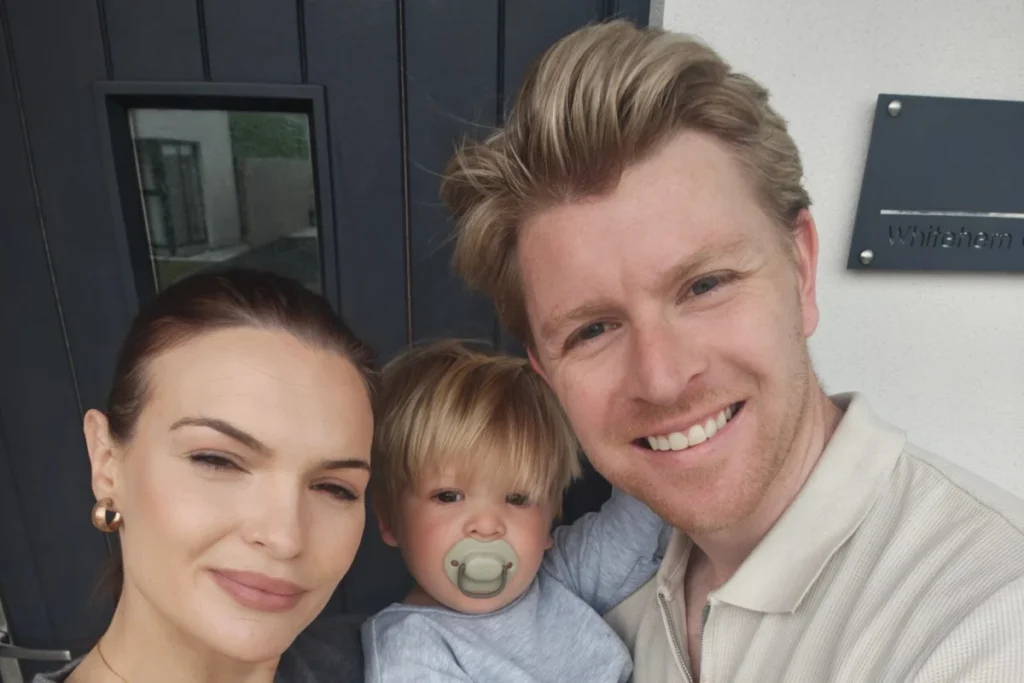

Belfast, Northern Ireland – Stephen and Kylee Vincent, celebrated professional dancers from RTÉ’s Dancing With The Stars, have officially opened their new studio, House of Motion, on the bustling Lisburn Road in Belfast. The married couple, who have made their home in Killinchy, Co Down, are embarking on a mission to re-establish dance as a fundamental component of Northern Ireland’s social and cultural landscape, aiming to reinvigorate a ballroom industry they describe as having "dried up" in the region. Their ambitious venture seeks not only to offer comprehensive dance instruction but also to revive cherished traditions like tea dances and make the dynamic world of ballroom and Latin dance accessible to a broader demographic across the province.
The Visionaries Behind the Movement
Stephen Vincent, originally from Manchester, and Kylee Vincent, hailing from South Africa, bring a wealth of international experience and a deep passion for dance to their new endeavour. Both have garnered significant recognition through their participation as professional dancers on Dancing With The Stars, the Irish adaptation of the globally successful Strictly Come Dancing format. Their careers have seen them perform on prestigious stages and mentor numerous celebrities, guiding them from novice steps to polished routines under the glare of national television. This extensive background has equipped them with unique insights into both the technical artistry of dance and its profound transformative power for individuals of all skill levels.
Having settled in Killinchy, a picturesque village in County Down, and started a family, the Vincents developed a profound connection to Northern Ireland. This personal investment fueled their observation of a discernible gap in the region’s dance provision, particularly within the ballroom and Latin genres. Stephen Vincent articulated this frustration, stating, "The lack of dedicated ballroom training space in Northern Ireland has long been a frustration." This sentiment underscores a broader issue where, despite a visible enthusiasm for dance through popular media, opportunities for hands-on participation have lagged. Their decision to open House of Motion stems from a desire to bridge this gap, offering a professional, welcoming environment for aspiring dancers and social enthusiasts alike.
Addressing a Void: The Decline and Potential Revival of Northern Irish Ballroom
The Vincents’ initiative is set against a backdrop of what they perceive as a decline in the local ballroom industry. Historically, Northern Ireland, like many parts of the UK and Ireland, boasted a vibrant social dance scene. The early to mid-20th century saw dance halls as epicentres of community life, where ballroom dancing was a popular pastime and a crucial element of social interaction. Events like tea dances were commonplace, offering accessible, family-friendly opportunities for people to gather, socialise, and dance. These traditions fostered a sense of community and provided valuable social skills, contributing significantly to the cultural fabric of the time.
However, as Stephen Vincent noted, "For whatever reason, that industry just dried up." This decline can be attributed to several factors: changing entertainment preferences, the rise of nightclubs and alternative music genres, the closure of traditional dance halls, and a gradual erosion of the societal emphasis on formal social dancing. The result has been a generation less exposed to ballroom and Latin dance, and a significant reduction in dedicated training facilities and professional instructors. The Vincents recall a time when Northern Ireland produced "some fantastic ballroom Latin dancers," a testament to a once-thriving ecosystem that they are now determined to rebuild. House of Motion aims to be a catalyst in reversing this trend, re-cultivating a culture where dance is not just a performance art but a beloved social activity.

The "Strictly" Effect: Television’s Role in Inspiring Dance
Paradoxically, while the traditional dance industry waned, public interest in ballroom and Latin dance has been dramatically rekindled by the phenomenal success of television programmes such as the BBC’s Strictly Come Dancing and RTÉ’s Dancing With The Stars. These shows have brought the elegance, athleticism, and drama of dance into millions of homes, captivating audiences across the island of Ireland and beyond. Stephen Vincent highlighted the significant reach of these programmes: "In Ireland you can get access to Strictly Come Dancing and Dancing With The Stars – you pretty much have six months of ballroom dancing on mainstream television – but there is very little in terms of classes or education."
He elaborated on the impressive viewership figures, stating, "Shows like Strictly and Dancing With The Stars remain incredibly popular. We get the viewing figures every week and they are regularly through the roof, consistently reaching half a million people each episode. That’s about 47% market share of viewership, which is huge." These statistics underscore a robust public appetite for dance, indicating a substantial latent demand for accessible instruction. The challenge, as identified by the Vincents, has been translating this passive viewership into active participation. House of Motion is strategically positioned to capitalise on this "Strictly" effect, offering a direct pathway for viewers inspired by the glamour and skill displayed on screen to embark on their own dance journeys.
House of Motion: A Hub for All Ages and Abilities
A cornerstone of the House of Motion philosophy is inclusivity. The studio is committed to placing "equal emphasis on adult learners and social dancers," actively dispelling the misconception that dance is solely for children or elite competitors. Stephen Vincent articulated this vision: "The best thing about ballroom Latin is that it’s not just for kids and it’s not just for adults – it’s for everybody." This commitment means creating a diverse programme that caters to absolute beginners, experienced social dancers looking to refine their skills, and even those with competitive aspirations.
The benefits of dance extend far beyond mere physical activity. Engaging in ballroom and Latin dance offers a comprehensive workout, improving cardiovascular health, flexibility, strength, and coordination. Moreover, the cognitive demands of learning steps and patterns enhance memory and problem-solving skills. Crucially, dance provides significant mental and social benefits, acting as a stress reliever, mood enhancer, and a powerful tool for building confidence and forging new connections. For adult learners, it offers a stimulating hobby that combines physical exertion with mental engagement and social interaction, combating isolation and promoting overall well-being. By embracing all ages and abilities, House of Motion aims to cultivate a diverse and supportive community where everyone feels welcome to explore the joy of movement.
Bringing Back Social Fabric: The Revival of Tea Dances and Community
Central to the Vincents’ vision is the desire to restore the social dimension of dance, an aspect they feel has been regrettably lost. "Back in the olden days, people used to go to dance halls and that was a big part of our social fabric," Stephen Vincent reminisced. "We’re hoping to bring that back a little bit because it has been sadly lost." This aspiration includes the revival of tea dances, a beloved tradition from the early 20th century where people would gather in the afternoon for dancing, refreshments, and socialising in a relaxed, family-friendly atmosphere.

These events were instrumental in fostering community spirit and providing accessible entertainment for people of all ages. By reintroducing tea dances, House of Motion aims to create opportunities for intergenerational interaction and rekindle a sense of shared cultural heritage. Beyond structured classes, the studio envisions itself as a vibrant community hub, a place where people can connect, build friendships, and experience a sense of belonging. "We very much want to be active with Dancing With The Stars as well, so there are going to be other great teachers teaching there," Vincent added, suggesting a dynamic environment where professional expertise and community spirit converge. This holistic approach underscores their ambition to make House of Motion not merely a dance school but a vital contributor to the social infrastructure of Belfast.
A Diverse Repertoire: From Waltz to Jive
House of Motion will offer an extensive curriculum covering a broad spectrum of dance styles, ensuring that every participant can find a rhythm that resonates with them. The traditional elegance of ballroom dances will be a core offering, including the graceful Waltz, the passionate Tango, the sophisticated Foxtrot, and the rhythmic Quickstep. These dances provide a foundational understanding of partnership, posture, and musicality, essential for any aspiring social or competitive dancer.
Complementing the ballroom styles, the studio will delve into the energetic and expressive world of Latin American dances. Students will have the opportunity to master the playful Cha-cha, the vibrant Samba, the spirited Jive, the dramatic Paso Doble, and the sensual Rumba. Each Latin dance offers unique challenges and rewards, encouraging dancers to develop rhythm, hip action, and a deeper connection to the music. This comprehensive repertoire ensures that House of Motion can cater to a wide array of tastes and skill levels, providing a rich and diverse learning experience that encourages continuous growth and exploration. The ability to switch between the structured elegance of ballroom and the vibrant freedom of Latin will empower dancers with versatility and a profound appreciation for the global tapestry of dance.
Transformative Power: Lessons from Dancing With The Stars
The Vincents’ experience teaching celebrities on Dancing With The Stars has provided compelling evidence of dance’s transformative power, particularly for complete beginners. "The premise of the show is that we get paired with celebrities who’ve never danced before," Vincent explained. "They have to put themselves out there on national TV." This high-pressure environment often reveals initial apprehension, but consistently demonstrates how dedication and expert guidance can unlock hidden potential.
He recounted a memorable experience from the 2026 series, where he was paired with Niamh Kavanagh, the 1993 Irish Eurovision winner. "Niamh came into it thinking, ‘I can’t do this’, there was real trepidation but by the end of week four she couldn’t get enough," he shared. This anecdote perfectly illustrates the common journey of many novice dancers: initial fear and self-doubt giving way to confidence, enjoyment, and a newfound passion. "For me that’s the joy of dancing," Vincent affirmed. "I hear the same old saying over and over again, ‘Oh, I’ve got two left feet’. And yet, once people get into dancing, they can’t get enough of it." This insight forms a core tenet of House of Motion’s teaching philosophy, assuring prospective students that irrespective of their perceived abilities, the joy and benefits of dance are within their reach. The studio aims to replicate this supportive, encouraging environment, allowing every individual to experience their own personal transformation through movement.
Strategic Support: Backing from the British Business Bank

The establishment of House of Motion has been significantly supported by the British Business Bank’s Start Up Loans programme. This government-backed personal loans scheme is designed to provide aspiring entrepreneurs with the funding and support needed to launch their businesses. For the Vincents, this financial backing was instrumental in transforming their vision into a tangible reality, enabling them to secure premises, invest in essential equipment, and develop their comprehensive programme.
The British Business Bank’s endorsement of House of Motion underscores the broader economic and social value that such ventures bring to local communities. By supporting new businesses, the programme stimulates local economies, creates employment opportunities, and fosters innovation. For Belfast, the opening of House of Motion represents not just a new leisure facility but also a vote of confidence in the city’s economic vitality and its capacity to nurture entrepreneurial spirit. This strategic partnership highlights a commitment to fostering small and medium-sized enterprises (SMEs) that contribute to the cultural enrichment and social well-being of the region, ensuring that innovative ideas like the Vincents’ can flourish.
Looking Ahead: Broader Community and Cultural Impact
The aspirations for House of Motion extend far beyond its immediate function as a dance studio. Stephen Vincent articulated a grander vision for the business: "We see a vision for the business, not just being a dance studio, but that it one day might lend itself to other things within the community." This holistic approach reflects a commitment to community engagement and social responsibility. The studio aims to serve as a versatile space that can host various community events, workshops, and gatherings, becoming a true focal point for local interaction and cultural exchange.
"We’re hoping to bring people together. We want to create a space where people feel like they’re part of a family," he concluded. This ethos of fostering a sense of belonging and camaraderie is central to the Vincents’ philosophy. The long-term implications for Northern Ireland are significant. House of Motion has the potential to reignite a passion for dance, cultivate new talent, and contribute to the province’s cultural identity. By providing a high-quality, accessible dance education and a welcoming social environment, it could inspire a new generation of dancers and enthusiasts, potentially elevating Northern Ireland’s profile in the national and international dance arena. The venture also promises to contribute economically by creating jobs for dance professionals and staff, and by drawing people to the Lisburn Road area, boosting local businesses. Ultimately, Stephen and Kylee Vincent’s House of Motion is poised to become a vibrant cornerstone of Belfast’s cultural revival, weaving the joy of dance back into the very fabric of community life.