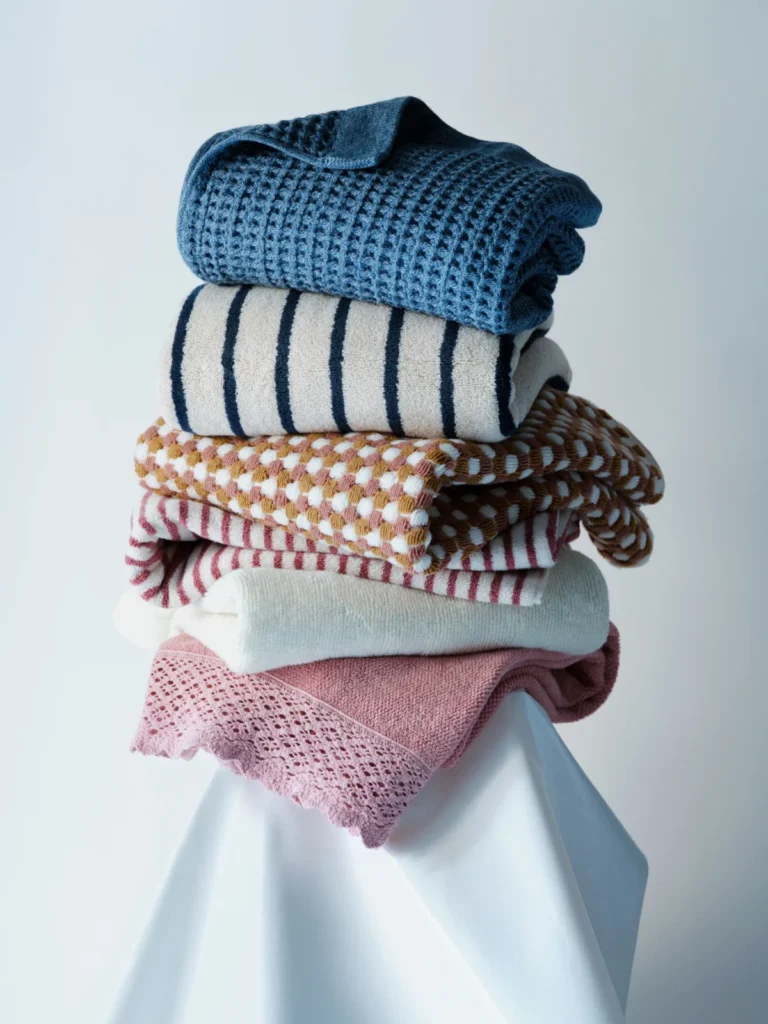

The modern bathroom has transitioned from a purely utilitarian space into a sanctuary for wellness and relaxation, a shift that has elevated the importance of high-quality bath textiles. While decorative elements like statement shower curtains and artisanal bath mats provide immediate visual impact, industry experts and interior designers increasingly categorize bath towels as essential components of a room’s aesthetic and functional success. From the intricate geometry of waffle weaves to the classic elegance of scalloped edges and vibrant color palettes, the choice of towel significantly influences the daily experience of home hygiene. As these accessories remain on constant display and are subjected to rigorous daily use, the demand for products that balance durability, absorbency, and softness has reached an all-time high in the home goods market.
The Science of Softness: Understanding GSM and Fiber Composition
To evaluate the performance of bath towels, consumers and professionals alike must look beyond the initial tactile sensation in a showroom. The primary metric for towel quality is GSM, or grams per square meter. This measurement dictates the weight and density of the fabric, serving as a reliable indicator of how a towel will feel and perform. A towel with a GSM in the 800 range offers a heavy, plush, and cashmere-like feel often found in five-star hotels. Conversely, towels in the 200 to 400 GSM range are lighter, more breathable, and dry significantly faster, making them ideal for humid environments or frequent use.
Beyond weight, the material composition plays a critical role in longevity. Long-staple cotton, particularly varieties sourced from Turkey and Egypt, is the industry gold standard. The "staple" refers to the length of the cotton fiber; longer fibers can be spun into thinner, stronger yarns with fewer joins. This results in a smoother surface that is less prone to pilling and fraying. Turkish cotton, specifically, is prized for its unique ability to become even softer and more absorbent with each subsequent wash, a characteristic that has fueled the popularity of brands specializing in Aegean textiles.
Market Leaders and Editorial Performance Testing
The Architectural Digest (AD) editorial team recently conducted an extensive multi-month trial to identify the highest-performing towels currently available on the market. This testing process involved long-term daily use, multiple laundering cycles to assess fiber degradation, and timed drying tests to measure moisture wicking. The results highlighted several standout products that cater to different consumer needs, ranging from maximum plushness to rapid-dry efficiency.
The Gold Standard: Brooklinen Super-Plush Turkish Cotton
The Brooklinen Super-Plush Turkish Cotton Bath Towel emerged as a top contender for overall excellence. Constructed from 100% Aegean Turkish cotton, the current iteration features a 770 GSM weight—a slight reduction from the original 820 GSM model. This adjustment was made based on consumer feedback to ensure that the towel retains its premium, "cushy" feel while improving its drying time. Editorial contributors noted that the towel manages to look "elevated" while providing a substantial, comforting wrap post-shower. The availability of diverse patterns, such as the coastal-inspired "striped abyss," allows these towels to function as a design statement in minimalist or neutral bathrooms.
The Luxury Tier: Matouk Milagro
For those seeking a high-end, spa-like experience, the Matouk Milagro towel represents the pinnacle of luxury textiles. Despite a lower GSM of 550, the Milagro utilizes zero-twist yarns. In this construction, the cotton fibers are held together by a specialized wrapping process rather than being twisted. This creates more surface area for the fibers, allowing the towel to feel exceptionally light and airy while maintaining superior absorbency. Testing revealed that the Milagro can dry a human body in under two minutes, and the towel itself air-dries in approximately 90 minutes. However, consumers should note that zero-twist towels may produce more lint during the initial laundry cycles as the loose fibers settle.
Rapid-Dry Innovations: Quince and Onsen
As urban living spaces often lack the ventilation required for heavy, dense towels to dry properly, the "quick-dry" category has seen significant growth. Quince has positioned itself as a leader in this space with its Ribbed Quick Dry Bath Towel Bundle. By utilizing a 600 GSM weight paired with a narrow ribbed texture, the towel increases its surface area to facilitate faster evaporation.
Onsen has taken a different approach by championing the waffle weave. Made from 100% extra-long-staple Supima cotton—a premium cotton grown in the United States—Onsen towels forgo the traditional "plush" feel for a functional, textured grip. The hexagonal pockets of the waffle weave act as small reservoirs for water, wicking moisture away from the skin and hair with remarkable speed. Editorial testers noted that Onsen towels are particularly effective for drying medium-to-long hair, transitioning it from soaking wet to damp in under 20 minutes.
Sustainability and the Rise of Organic Textiles
The textile industry has faced increasing scrutiny regarding its environmental footprint, leading to a surge in demand for organic and certified products. Brands like Boll & Branch and Parachute have integrated sustainability into their core value propositions. The Boll & Branch Plush Bath Towel is 100% organic cotton and Oeko-Tex certified, ensuring the absence of harmful chemicals throughout the manufacturing process.
Organic towels are often favored by consumers with sensitive skin. The "spongelike" texture of high-quality organic cotton allows for high absorbency without the need for synthetic softeners, which can actually coat fibers and reduce their ability to soak up water over time. Parachute’s Organic Cotton Mosaic Towels further enhance the category by offering jacquard patterns that provide a subtle exfoliating feel, combining aesthetic vintage appeal with modern ecological standards.
Chronology of the Testing and Selection Process
The search for the "perfect" towel was not a momentary assessment but a structured evaluation over several months. The timeline of the study followed a specific progression:
- Initial Procurement and Inspection: Towels were sourced and inspected for initial thread count, hem integrity, and out-of-the-box softness.
- The "First Wash" Test: Towels were laundered according to manufacturer instructions. This stage measured shrinkage and "linting" behavior, which is a common complaint among new towel owners.
- Daily Use Phase: Editors used the towels in their personal homes for a minimum of 30 days. This period tested how the towels held up to daily moisture, how they smelled after multiple uses (checking for mildew resistance), and how they felt on the skin.
- Performance Benchmarking: Specific tests were conducted to time how long it took for each towel to reach a "dry-to-the-touch" state after being used.
- Final Comparison: The team aggregated data on absorbency, aesthetic longevity, and value for money to finalize the recommendations.
Maintenance and Longevity: Best Practices for Consumers
To protect the investment made in high-quality bath linens, proper maintenance is essential. Textile experts recommend the following protocol to maintain towel integrity:
- Temperature Control: Machine wash towels in cold or lukewarm water. High heat can damage the cotton fibers and lead to brittleness over time.
- Detergent Selection: Use a gentle, liquid detergent. Powdered detergents can sometimes leave a residue that reduces absorbency.
- Avoid Softeners: Fabric softeners and dryer sheets contain silicones that coat the fibers, making them feel soft but significantly reducing their ability to wick moisture.
- Drying: Tumble dry on a low-to-medium heat setting. Over-drying in high heat is the primary cause of towel "scratchiness."
Broader Impact and Market Implications
The shift toward premium bath towels reflects a broader economic trend in the "home-as-sanctuary" movement. As consumers spend more time at home, there is a heightened willingness to invest in direct-to-consumer (DTC) brands that offer transparent pricing and high-quality materials. This has forced traditional retailers to innovate, resulting in a market rich with options for every preference—from the "cottagecore" aesthetic of GreenRow’s crochet-inset towels to the "coastal grandmother" vibes of Cozy Earth’s bamboo-infused linens.
Furthermore, the emphasis on Oeko-Tex and GOTS (Global Organic Textile Standard) certifications indicates that the modern consumer views their bathroom purchases through the lens of global responsibility. The implications for the industry are clear: performance is no longer enough. The towels of the future must be absorbent, aesthetically pleasing, and ethically produced.
In conclusion, selecting the right bath towel is an exercise in balancing technical specifications with personal comfort. Whether one prioritizes the heavy, indulgent weight of a 770 GSM Turkish cotton towel or the nimble, rapid-drying capabilities of a waffle-weave Supima cotton sheet, the current market offers a level of sophistication that can transform the routine act of drying off into a genuine moment of luxury. As bathroom decor continues to evolve, the humble bath towel remains a foundational element, bridging the gap between functional necessity and high-end design.