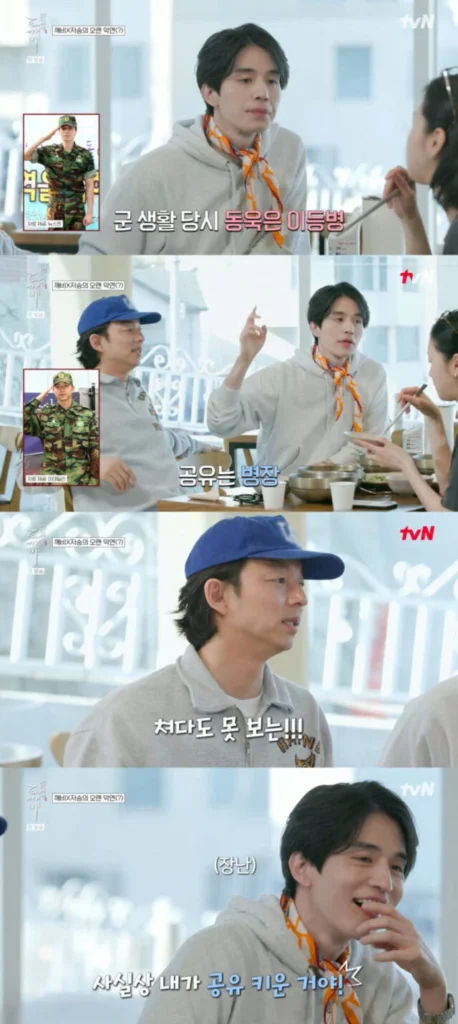

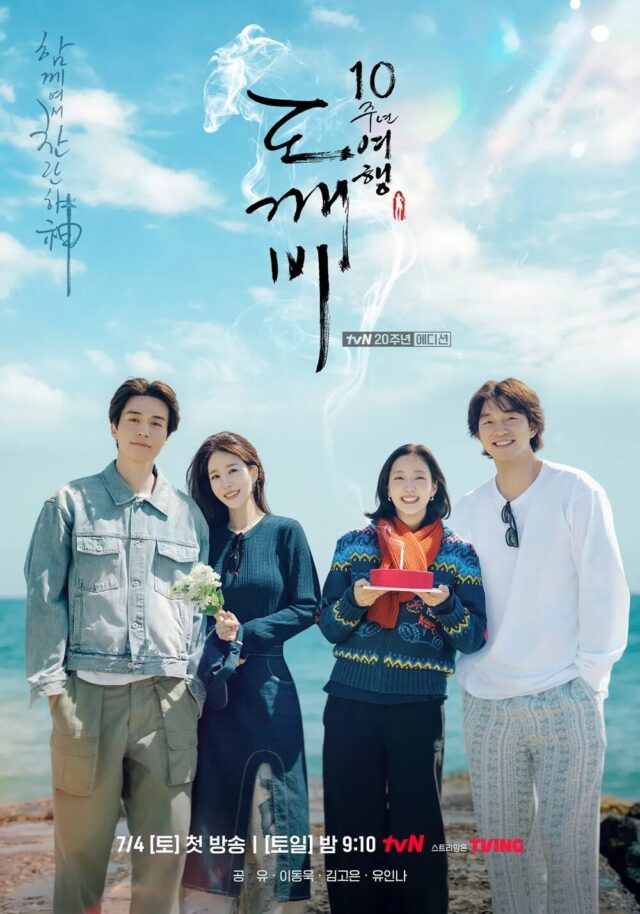
The landscape of South Korean entertainment is frequently defined by the enduring bonds formed between its most prominent stars, yet few relationships have captured the public imagination quite like the "bromance" between Lee Dong Wook and Gong Yoo. On July 12, 2026, during a broadcast of tvN’s special commemorative series, Goblin 10th Anniversary Trip, the two actors provided a rare and humorous glimpse into the origins of their friendship, revealing a history rooted in the rigid hierarchies of the South Korean military. The program, which reunited the core cast of the 2016 cultural phenomenon Guardian: The Lonely and Great God, also featured actresses Kim Go Eun and Yoo In Na as they traveled to the coastal city of Gangneung to celebrate a decade of the show’s legacy.
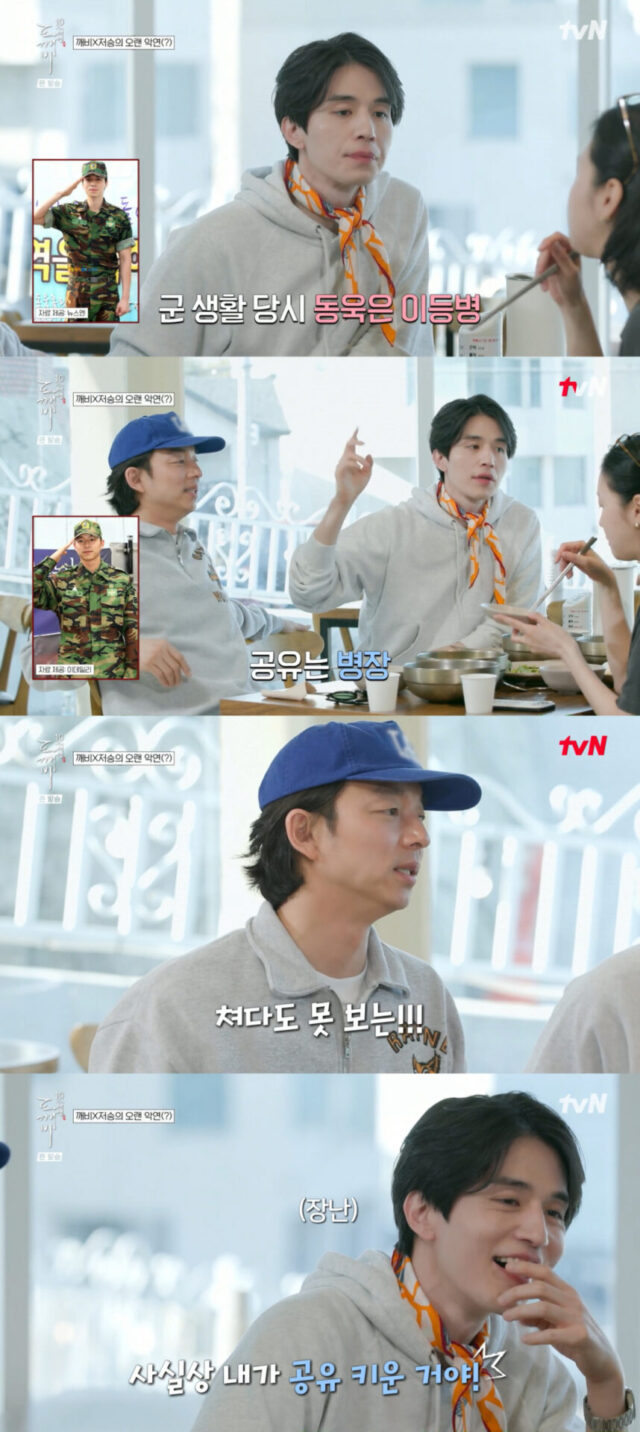
During a candid segment of the two-day, one-night excursion, the conversation turned toward the initial meeting of the two male leads. While it is well-known within the industry that both actors served in the Republic of Korea (ROK) Armed Forces, the specific nature of their early interactions had remained largely out of the public eye. Yoo In Na prompted the discussion by inquiring whether their friendship began during their enlistment. The resulting revelation underscored a significant disparity in their military standing at the time, painting a picture of a relationship that began not as peers, but as a senior officer and a subordinate.
The Hierarchy of the Barracks: A Tale of Two Soldiers
In the South Korean military, seniority is a foundational principle that dictates daily life, social interactions, and domestic responsibilities. Gong Yoo, who enlisted earlier, held a senior rank during the period when their service overlapped. Lee Dong Wook, conversely, was a private—the entry-level rank for conscripted soldiers. Gong Yoo humorously recalled the intensity of this power dynamic, noting that the atmosphere was so strict that Lee Dong Wook "could barely even look at [him]," and certainly would not have dared to "step on his shadow," a traditional Korean metaphor for showing absolute respect to a superior.
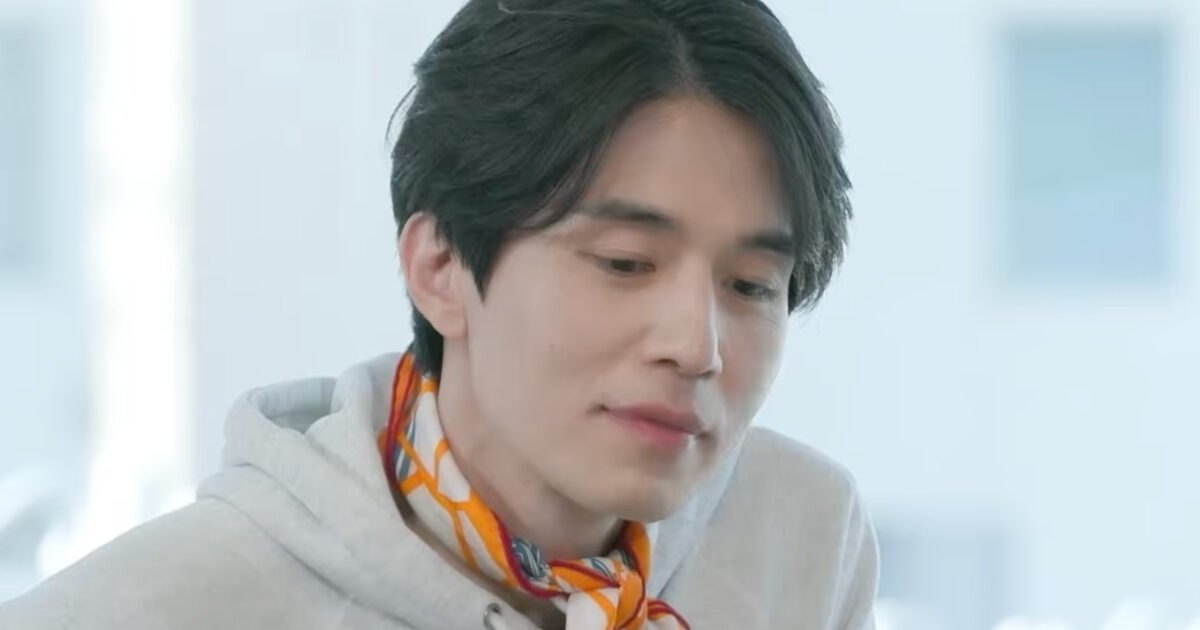
Lee Dong Wook expanded on this narrative by disclosing the domestic labor he performed for Gong Yoo. "I’m only saying this now, but I washed all of Gong Yoo’s underwear and socks," Lee stated, sparking laughter among the cast. He further joked that he had "practically raised" the older actor during their time together in the barracks. Gong Yoo did not dispute the claim but added a detail regarding Lee’s meticulousness, noting that the younger actor went as far as to fold the laundered items with "perfectly sharp creases."
While the anecdote was shared in a lighthearted manner, it reflects the broader reality of the "sunbae-hoobae" (senior-junior) culture that permeates both the South Korean military and the entertainment industry. In the military context, junior soldiers often take on communal chores, though the specific task of laundering a senior’s personal items is often framed in retrospect as a sign of a close-knit, albeit hierarchical, unit. Gong Yoo was quick to clarify that this arrangement lasted for only a brief period before their paths diverged, yet it clearly laid the groundwork for the mutual respect they would carry into their professional lives.
From Conscripts to Cultural Icons: The Evolution of a Partnership
Despite their shared military history, Gong Yoo clarified during the broadcast that they did not become truly close friends until they were cast together in Guardian: The Lonely and Great God. The 2016 series, written by the acclaimed screenwriter Kim Eun-sook, required a unique chemistry between the titular Goblin (Gong Yoo) and the Grim Reaper (Lee Dong Wook). The characters were written as eternal rivals forced into a cohabitation agreement, leading to a series of comedic bickering matches that became the show’s hallmark.
The actors noted that the grueling schedule of a high-budget K-Drama production—often involving long hours and intense emotional scenes—served as the true catalyst for their bond. The transition from a military hierarchy to a professional partnership allowed them to develop a rapport based on equality and shared experience. By the time the series concluded its run in early 2017, the "Goblin-Reaper" duo had become one of the most beloved pairings in television history, winning multiple awards and driving the show to record-breaking viewership numbers.

The Legacy of "Guardian: The Lonely and Great God"
The reunion in Gangneung serves as a testament to the enduring impact of the series, which is often credited with expanding the global reach of the Hallyu (Korean Wave) during the mid-2010s. At its peak, the show recorded a viewership rating of 18.68% for its finale, which at the time was the highest in the history of Korean cable television. Its influence extended beyond the screen, significantly boosting tourism to filming locations such as the Jumunjin breakwater in Gangneung—the very location the cast revisited for the 10th-anniversary special.
The 10th-anniversary trip highlights several key factors that contributed to the show’s success:
- Narrative Innovation: The blend of Korean folklore with a modern, high-stakes romance.
- Production Value: Cinematic visuals and a high-budget aesthetic that set a new standard for the industry.
- Ensemble Chemistry: The four leads—Gong Yoo, Lee Dong Wook, Kim Go Eun, and Yoo In Na—maintained a public friendship that fans have followed for a decade.
The anniversary special, titled Goblin 10th Anniversary Trip, was designed to capitalize on this nostalgia. By bringing the actors back to the sites where they filmed iconic scenes, tvN successfully tapped into a dedicated fanbase that continues to consume content related to the series years after its original air date.
Analysis: The Role of Variety Programming in Brand Longevity
The decision to produce a 10th-anniversary special for a drama is a strategic move that reflects current trends in the South Korean media landscape. In an era of streaming and fragmented audiences, legacy content holds immense value. Shows like Goblin function as "tentpole" intellectual properties that can be revitalized through variety show spin-offs, reunions, and retrospective documentaries.
Furthermore, the "humanizing" aspect of these revelations—such as Lee Dong Wook washing laundry—serves to deepen the connection between the stars and their audience. In the highly curated world of celebrity image management, these glimpses into the mundane or humble beginnings of top-tier actors provide a relatable narrative. It shifts the perception of the actors from untouchable icons to individuals who have navigated the same societal obligations, such as mandatory military service, as their viewers.
Broader Implications for the Cast
Since the conclusion of Guardian: The Lonely and Great God, all four lead actors have seen their careers reach new heights.
- Gong Yoo solidified his status as a global star with roles in Train to Busan and a significant cameo in the Netflix hit Squid Game.
- Lee Dong Wook transitioned into hosting with his own talk show, Lee Dong Wook Wants to Talk, and continued to lead successful dramas like Tale of the Nine-Tailed.
- Kim Go Eun has become a powerhouse in both film and television, recently earning critical acclaim for her role in the occult thriller Exhuma.
- Yoo In Na has maintained a steady presence as a leading lady in romantic comedies and a popular radio personality.
Their ability to reunite a decade later, while all four are at the peak of their respective careers, is a rarity in the industry. It speaks to the genuine nature of the friendships formed on set—a sentiment echoed by the production team of the anniversary special.
Conclusion: A Decade of Friendship and Folklore
As the Goblin 10th Anniversary Trip continues its broadcast run, it remains a poignant reminder of the power of storytelling and the lasting bonds it can create. The anecdote of Lee Dong Wook laundering Gong Yoo’s socks is more than just a humorous piece of trivia; it is a symbol of the journey these two men have taken from the barracks of the ROK Army to the pinnacle of the global entertainment industry.
For the fans, the reunion offers a sense of closure and celebration. For the industry, it provides a blueprint for how to honor the legacy of a cultural milestone. As the cast looked out over the waters of Gangneung, the power dynamic of "private and senior" had long since faded, replaced by a partnership that has defined a generation of Korean television. The "sharp creases" Lee Dong Wook once pressed into military uniforms have been replaced by the sharp wit and seasoned professionalism of two of Asia’s most respected actors, whose shared history continues to fascinate and entertain millions.