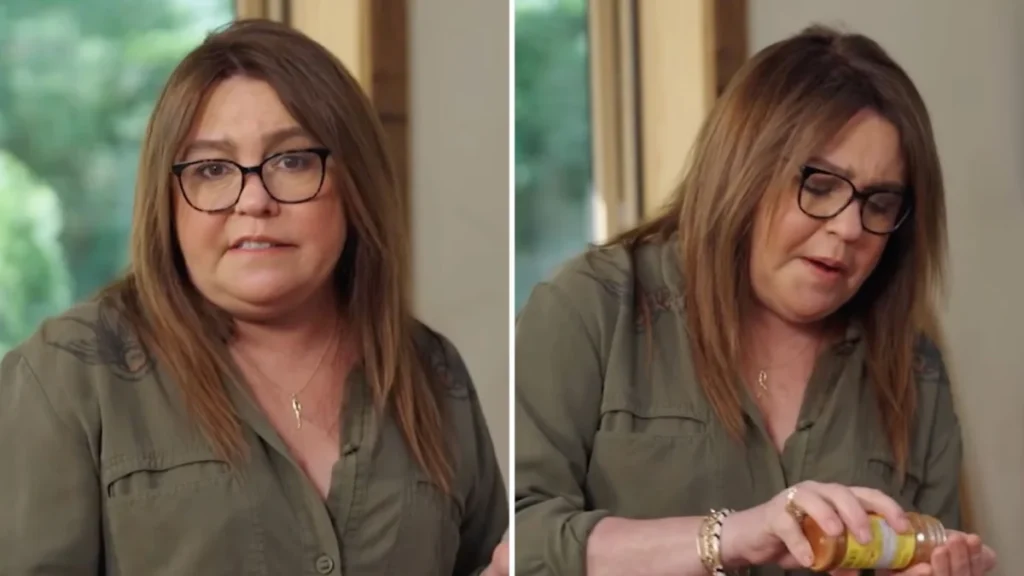

A recent social media video featuring celebrity chef and television personality Rachael Ray has ignited a flurry of discussion among her dedicated fanbase, with many expressing surprise and concern over her appearance. The video, shared across Ray’s various social media platforms, showcases her offering culinary advice on seasoning food, emphasizing the intuitive use of hands as measuring tools. However, it was not the cooking tips that captured the attention of most viewers, but rather the noticeable changes in Ray’s appearance, leading to widespread speculation and a torrent of comments questioning her well-being.
The video, intended to educate and inspire home cooks, features Ray demonstrating her philosophy of cooking "by feel." She is heard saying, "Your hand is the original measuring spoon. When you’re seasoning as you go, don’t overthink it. A little pinch, a little palmful, a little confidence is all you need to cook by feel. Your food will thank you." This sentiment, meant to empower viewers in their own kitchens, was largely overshadowed by the reactions to Ray’s visual presentation.
Fan Reactions: A Spectrum of Concern and Surprise
Across platforms like Instagram and Facebook, a significant portion of the comments focused on Ray’s perceived transformation. Phrases like "I didn’t even recognize her," "Did something happen to her?", and "Is that Rachael Ray?" became recurrent themes. Many users expressed a genuine lack of recognition, with one Instagram commenter stating, "Holy crap I didn’t recognize who it was until I read the name." The intensity of these reactions suggests a deep familiarity with Ray’s public image, making any perceived deviation particularly striking for her audience.
The outpouring of concern extended to inquiries about her health. "I haven’t seen her is SO LONG. I’m genuinely wondering.. is she okay?" questioned one follower. Another directly asked, "What happened to Ray Ray? She looks different." The sheer volume and consistency of these comments underscore a collective anxiety among fans who have followed Ray’s career for years. The use of informal nicknames like "Ray Ray" further illustrates the personal connection many viewers feel towards the television personality. A Facebook commenter’s exclamatory "Thats Rachel???!! Im speeches!! What happened!!??" exemplifies the heightened emotional response.
A Challenging Period for Rachael Ray
This public scrutiny arrives during a period of significant personal challenge for Rachael Ray. In 2025, she experienced the profound loss of her mother, Elsa Scuderi. This was Ray’s first holiday season navigating grief without her mother, a sentiment she shared candidly with Yahoo Entertainment in December. "It’s just not the happiest of holidays this year, but still one I’m filled with nothing but gratitude for," she stated. "It’s just a weird time of year to be without her." The emotional toll of such a loss can manifest in various ways, potentially impacting physical appearance and overall demeanor, which may have contributed to fans’ perceptions.
This recent wave of concern is not entirely unprecedented. In September 2024, a video circulated that led some viewers to believe Ray was slurring her speech, sparking similar health-related worries. In response to these earlier concerns, Ray addressed the situation on her podcast, "I’ll Sleep When I’m Dead." She revealed that she had suffered "a couple bad falls," offering a plausible explanation for any perceived speech or coordination issues at that time. While those concerns were addressed, the recurring nature of fan worries highlights the public’s deep investment in Ray’s well-being.
Defense and Nuance: Countering the Criticism
Amidst the surge of critical comments, a significant number of fans rallied to Ray’s defense, urging others to exercise kindness and empathy. These supporters emphasized that personal appearances can change due to various factors, including aging and personal struggles. One Instagram user powerfully articulated this sentiment: "Remember people..not all thoughts need to be voiced. If you wouldn’t say it to her face in person then dont say it." This plea for respectful discourse underscores a growing awareness of the impact of online commentary.
Another commenter offered a more nuanced perspective, stating, "Come on people be nice, don’t judge or criticize. We never know why we change everyone’s body works differently than other women." This statement acknowledges the biological realities of aging and individual differences, pushing back against a culture that often scrutinizes women’s appearances. The observation that "She aged.. She’s had some health issues as well. What’s weird is people don’t know what aging is because everyone gets 100 surgeries and looks fake," highlights a societal tendency to expect artificial perfection rather than natural human change.
The issue of weight gain also emerged in the discussion, with one fan defending Ray against what they termed "nasty ignorant, hateful comments." This commenter pointed out, "You’d think they never saw someone gain a little weight before." This highlights the often-unrealistic body image standards perpetuated in the media and online. Other supportive comments included, "Y’all people are so Unkind! She is wonderful!" and "Some of you are so mean. May you walk in the shoes of another that you may understand suffering and learn compassion." These statements reflect a desire for a more compassionate online environment and a recognition of the complex factors that can influence a person’s appearance. The poignant reminder, "OMG people!!! Life, time…we all age, if we are lucky," serves as a broader philosophical counterpoint to the superficial judgments being made.
Analyzing the Implications of Public Scrutiny
The intense reaction to Rachael Ray’s video offers a compelling case study in the intersection of celebrity, social media, and public perception. For figures like Ray, who have built careers on relatability and a consistent public persona, any perceived deviation can trigger significant fan engagement. The speed and reach of social media platforms mean that such reactions can quickly amplify, creating a narrative that may not align with the individual’s lived reality.
The dichotomy of comments—ranging from alarmist speculation to reasoned defense—reveals a divided public. While some are quick to judge or express concern, others demonstrate a more mature understanding of human change and the importance of empathy. This dynamic highlights the ongoing challenge of navigating online discourse, particularly when it pertains to personal appearances and perceived health issues of public figures.
Furthermore, the recurrence of health-related concerns, even after explanations have been provided, suggests that the public often seeks concrete answers and may continue to worry until a perceived normalcy is restored. This underscores the pressure on celebrities to maintain a consistent image and to be transparent about their well-being, a burden that can be exacerbated by personal challenges such as grief and physical ailments.
The defense offered by fans is crucial, as it attempts to reframe the narrative from one of judgment to one of understanding and compassion. These voices advocate for a shift in online culture, encouraging a more supportive and less critical approach to observing public figures. Ultimately, the Rachael Ray incident serves as a potent reminder of the complex relationship between celebrities and their audiences in the digital age, where a single post can spark a widespread conversation about appearance, well-being, and the very nature of public scrutiny. The chef’s continued commitment to sharing her passion for cooking, even amidst these discussions, suggests a resilience and dedication that has long defined her career.