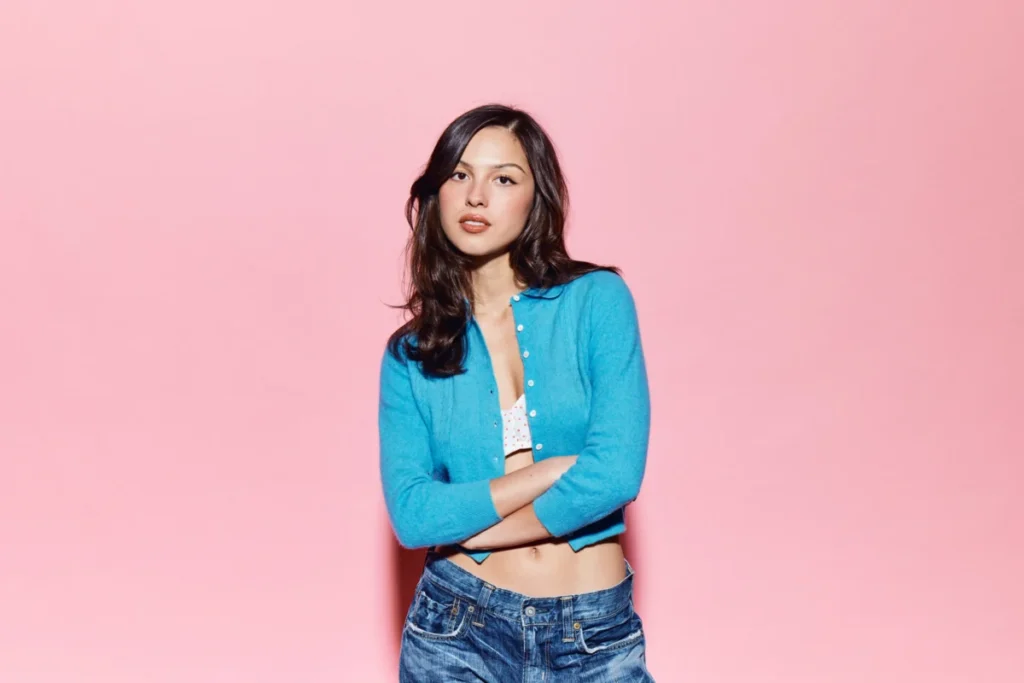

Pop sensation Olivia Rodrigo is actively mobilizing voters and significantly buoying turnout for the upcoming midterm elections, a strategic move that appears to be a direct response to the Trump Administration’s prior unauthorized use of her music in an anti-immigration advertisement. This initiative marks a potent blend of celebrity influence and civic engagement, aimed at empowering a crucial demographic ahead of a pivotal electoral cycle.
The Catalyst: An Unauthorized Use of Art
The genesis of Rodrigo’s current political activism can be traced back to November of the previous year when her song, “all-american bitch,” was controversially incorporated into an advertisement by the Department of Homeland Security (DHS). The ad, created in collaboration with the White House’s social media account at the time, explicitly encouraged undocumented immigrants residing in the United States to self-deport. Accompanying the track were stark images depicting individuals, primarily people of color, being detained by Immigration and Customs Enforcement (ICE) agents, an organization under the purview of the DHS.
This incident immediately drew widespread criticism, not least from Rodrigo herself. The deployment of her art in a context she found antithetical to her values ignited a fierce public condemnation. The use of a pop song, especially one with a title like "all-american bitch" which carries layers of satirical commentary on American identity and societal expectations, within a governmental anti-immigration campaign, struck many as a profound misrepresentation and weaponization of her creative work.
Rodrigo’s Immediate and Unwavering Response
Rodrigo’s reaction was swift and unequivocal. In a direct comment on the Instagram post featuring the advertisement, she stated, “Don’t ever use my songs to promote your racist, hateful propaganda.” This bold public stance was amplified by her personal connection to the issue of immigration; Rodrigo, of Filipino descent, proudly acknowledges her great-great-grandfather’s journey as an immigrant from the Philippines. This personal heritage imbues her activism with an authentic resonance, moving beyond a mere artistic dispute to a deeply personal and principled stand.
Her frustration and outrage were not confined to a single social media comment. In subsequent interviews, Rodrigo elaborated on the profound disturbance the incident caused her. Speaking to Dazed magazine last month, she recounted, “I was just scrolling on my phone. It was so deeply disturbing to see that propaganda, and the fact it was my song in there made me feel even more enraged. What they’re doing is so awful and barbaric and cruel. I am really sad to be in a country that thinks that’s OK.” Her candid remarks underscored a sense of betrayal and disappointment in the governmental actions.
Further articulating her dismay, Rodrigo revisited the episode on the cover of British Vogue, describing the administration’s use of her music as a “weaponization” of her art. She characterized the entire ordeal as “dystopian,” a term that encapsulates the unsettling nature of seeing her creative expression co-opted for purposes she vehemently opposed. These repeated public statements solidified her position, transforming a copyright infringement issue into a broader discussion about artistic integrity, political messaging, and human rights.
The Power of "Payback": Mobilizing Voters Through Music
While Rodrigo was vocally outraged, her true response transcends mere verbal condemnation. Her current efforts to mobilize voters represent a strategic, impactful form of "payback" – one that is served cold, without directly naming the former administration, yet undeniably aimed at fostering a more inclusive and representative democracy.
Rodrigo has partnered with HeadCount, a leading non-profit organization dedicated to voter registration and civic engagement through music. Together, they are launching a sweepstakes offering an all-expenses-paid trip to her highly anticipated Daisy Chain Fields festival. Entrants are encouraged to check their voter registration status, register to vote, or explore comprehensive election resources for a chance to win. This incentive-based approach leverages Rodrigo’s immense popularity, particularly among younger demographics, to drive participation in the democratic process. The prize, covering travel and hotel, is designed to maximize appeal and engagement, transforming a simple act of civic duty into an exciting opportunity.
HeadCount’s model is built on the premise that music events are ideal venues for civic education and voter registration. The organization partners with musicians and music events nationwide, working at over 1,000 concerts and festivals annually to build awareness around civil rights and voter participation. Their track record demonstrates the effectiveness of integrating civic action into cultural experiences, reaching millions of young people who might otherwise be disengaged from traditional political outreach.
Daisy Chain Fields: A Festival with a Mission
The Daisy Chain Fields festival itself is more than just a musical showcase; it is designed as a powerful platform for activism and empowerment. Scheduled for August 29 in Irvine, California, the festival boasts an all-women lineup, featuring an impressive roster of artists including Chappell Roan, Doechii, Santigold, Sarah McLachlan, Mitski, The Breeders, Bikini Kill, and the legendary Stevie Nicks. This intentional curation not only celebrates female talent but also reinforces the festival’s overarching mission of promoting women’s rights and causes.
Beyond the performances, Daisy Chain Fields is set to incorporate a robust activism component. On-site, various non-profit organizations will be present, sharing resources and information on critical issues such as reproductive rights, maternal health, economic empowerment, and domestic violence prevention. Confirmed partners reportedly include prominent organizations like the Center for Reproductive Rights and Planned Parenthood. This deliberate integration of civic engagement transforms the festival grounds into as much a civic showcase as a musical stage, offering attendees tangible ways to connect with and support vital social causes. All net proceeds from the festival will be directed toward charities dedicated to supporting women and girls, further solidifying its philanthropic and activist bona fides.
The Broader Landscape of Youth Voter Turnout
Rodrigo’s initiative is particularly significant given the historical trends and evolving importance of youth voter turnout in U.S. elections. Midterm elections traditionally see lower voter participation compared to presidential elections, especially among younger demographics. For instance, in the 2018 midterms, youth voter turnout (ages 18-29) surged to 31%, a substantial increase from 21% in 2014, yet still significantly lower than older age groups. The 2022 midterms continued this trend of increased youth engagement, with young voters turning out at the second-highest rate in three decades for a midterm election. This demographic, often referred to as Gen Z and younger Millennials, represents a growing and increasingly influential voting bloc, capable of swaying close elections.
Celebrity endorsements and grassroots efforts like Rodrigo’s are crucial in bridging the gap between young people and the political process. Research consistently shows that cultural figures and social media influence play a significant role in motivating young individuals to register and vote. By leveraging her immense platform and direct connection with her fanbase, Rodrigo is tapping into a powerful mechanism for democratic participation. Her efforts align with a broader trend of artists using their influence to advocate for causes they believe in, from environmental protection to racial justice.
Implications for Midterm Elections and Artist Activism
The implications of Rodrigo’s voter mobilization drive are multifaceted. Firstly, a noticeable increase in youth voter turnout could significantly impact the outcomes of critical midterm races. Young voters often lean towards progressive candidates and policies, particularly concerning issues like reproductive rights, climate change, and social justice – themes that resonate strongly with the ethos of the Daisy Chain Fields festival. By galvanizing this demographic, Rodrigo’s campaign could contribute to shifts in legislative power and policy direction.
Secondly, this initiative sets a precedent for artist activism. It demonstrates a sophisticated evolution beyond simple endorsements or protest songs. By creating a tangible pathway for civic engagement through an appealing incentive, Rodrigo is showing how celebrities can move beyond symbolic gestures to implement practical, results-oriented campaigns. This approach not only raises awareness but actively facilitates participation, transforming passive support into active democratic action.
Thirdly, Rodrigo’s stand against the weaponization of her art highlights the ongoing battle over intellectual property and artistic control in the digital age. Artists increasingly face challenges with their work being used without permission, particularly in political contexts where messaging can be distorted. Her vocal opposition and subsequent civic action send a strong message to political entities about respecting artistic integrity and intellectual property rights.
Legal and Ethical Considerations of Music Usage in Political Ads
The incident involving "all-american bitch" also brings to the forefront the complex legal and ethical considerations surrounding the use of copyrighted music in political advertisements. Generally, political campaigns and government agencies must secure proper licensing for any copyrighted material, including music. Unauthorized use can lead to cease-and-desist orders, copyright infringement lawsuits, and public relations backlashes. Artists like John Fogerty, Neil Young, and the estate of Tom Petty have famously taken action against political campaigns for unauthorized use of their music, often citing ideological disagreements with the campaigns’ messages.
Rodrigo’s swift public condemnation, rather than immediate legal action, can be interpreted as a strategic choice to highlight the moral and ethical breach first, using her platform to rally public sentiment. Her subsequent pivot to voter mobilization transforms a defensive posture into an offensive strategy for change, arguably a more potent form of redress than a mere financial settlement. It underscores a belief that the most effective way to counter objectionable political messaging is through the democratic process itself.
A New Paradigm for Celebrity Advocacy
Olivia Rodrigo’s current endeavors represent a compelling example of a new paradigm for celebrity advocacy. It’s a sophisticated, multi-pronged approach that blends direct communication, strategic partnerships with non-profits, and the creation of immersive cultural experiences to drive political engagement. By linking a highly desirable cultural event – her festival – with the fundamental act of voter registration, she effectively lowers the barrier to entry for political participation, especially for young people who are often hard to reach through traditional political channels.
This blend of entertainment and activism is poised to leave a lasting impact, not only on the upcoming midterm elections but also on the evolving landscape of how public figures can effectively contribute to civic life. Rodrigo’s journey from a pop star whose art was misused to a powerful advocate for democratic participation exemplifies a generation of artists unafraid to leverage their influence for social and political change. Her actions serve as a potent reminder that cultural figures can be significant catalysts for civic engagement, turning personal outrage into a collective movement for a more informed and active electorate.