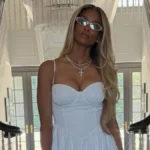

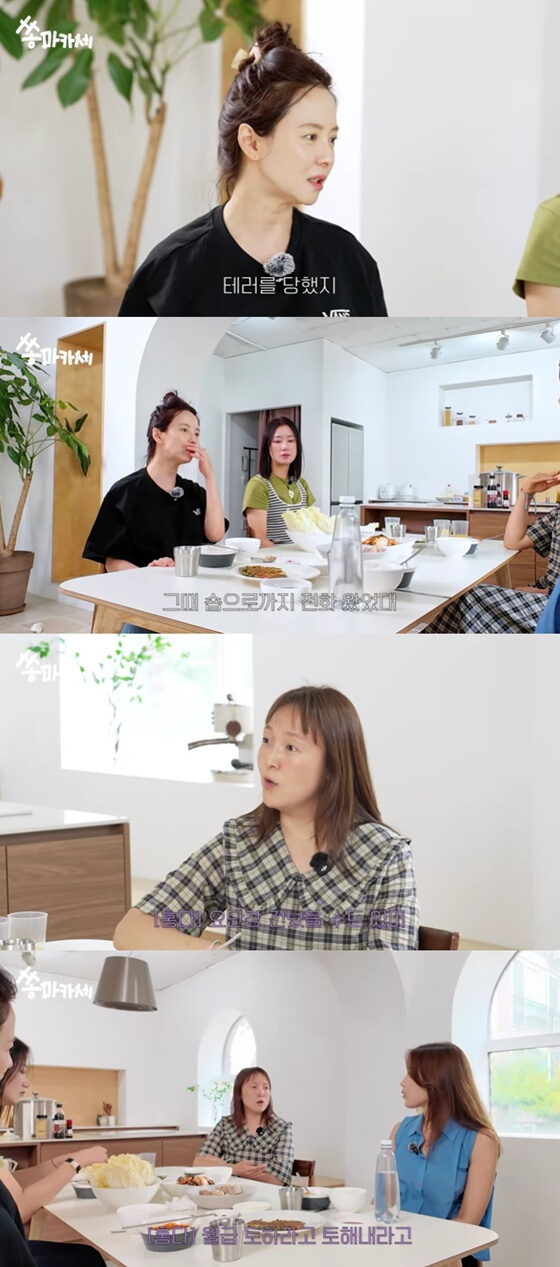
South Korean actress Song Ji Hyo, a prominent figure in the global entertainment industry and a longtime cast member of the variety show Running Man, recently utilized her personal YouTube platform to revisit one of the most polarizing moments of her career: the 2021 "short haircut controversy." In a candid video uploaded on July 2, titled "The Short Haircut Incident ‘Now I Can Talk About It’—Song Ji Hyo’s Revelations from the Hair and Makeup Team," the actress engaged in a heartfelt dialogue with her long-term styling staff, including her primary hair designer, Hong Da. The discussion provided a rare, behind-the-scenes look at the professional and emotional toll that public backlash can exert on the support staff of high-profile celebrities.
The video featured Song Ji Hyo hosting a meal for her hair, makeup, and styling team, a gesture intended to foster an environment of transparency and reconciliation. During the meal, the conversation shifted toward the team’s most challenging professional hurdles. Song Ji Hyo took the opportunity to issue a formal apology to Hong Da, acknowledging the severe criticism the stylist endured due to the actress’s impulsive decision to cut her own hair while intoxicated several years prior. This admission serves as a critical update to a narrative that had previously sparked intense debate among fans and industry observers regarding professional standards and the boundaries of celebrity autonomy.
Chronology of the Controversy: From Social Media Reveal to Public Outcry
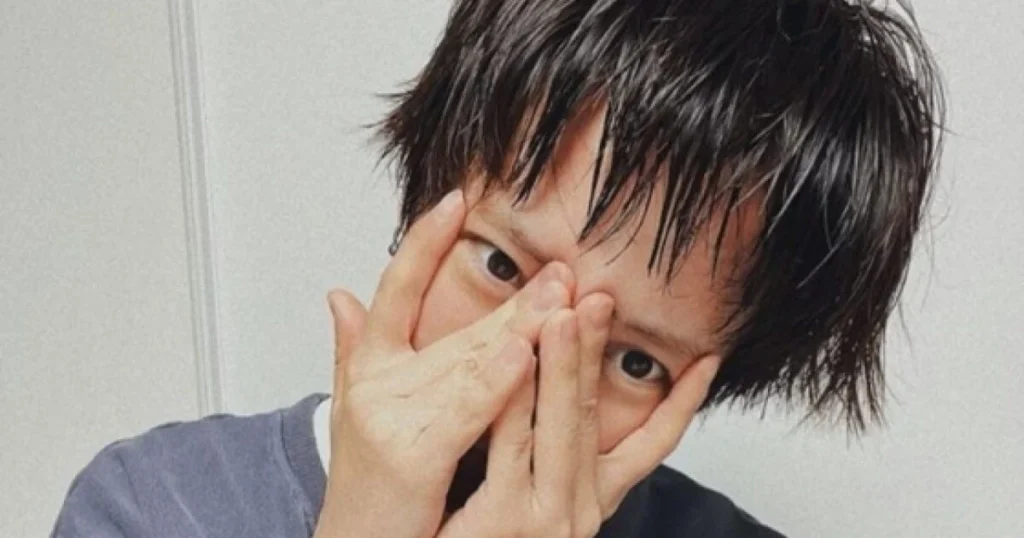
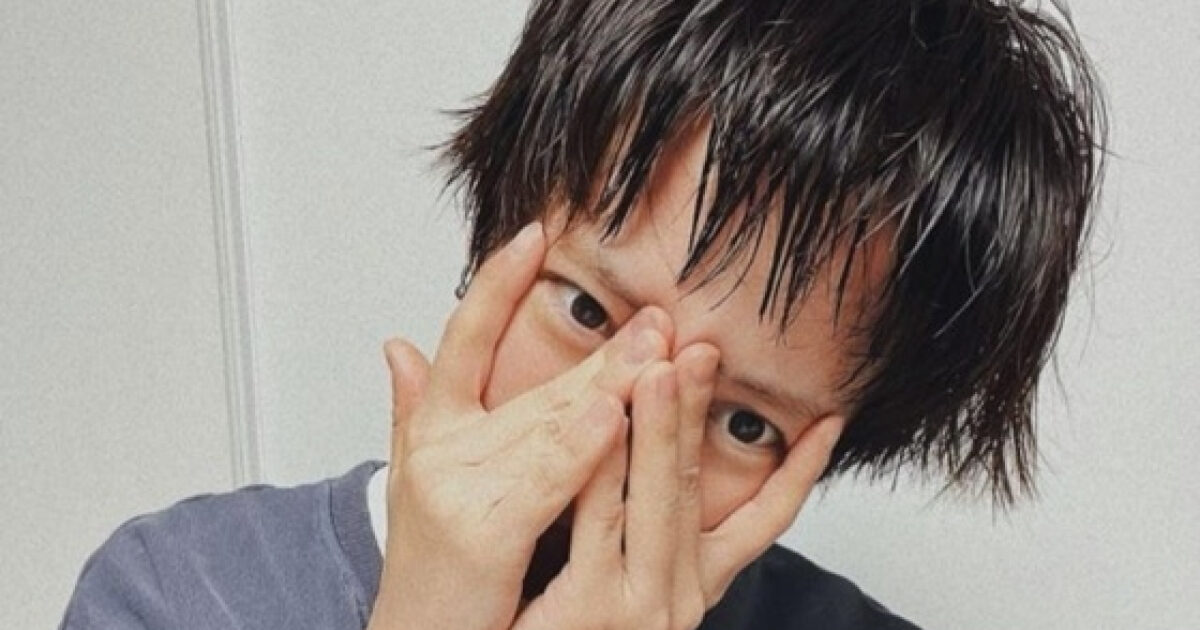
The controversy began in November 2021, when Song Ji Hyo shared a series of photographs on social media showcasing a drastic transformation from her signature long hair to a very short, somewhat jagged pixie cut. The transformation was immediately met with a divided response from the public. While some fans praised her bold change, a significant and vocal segment of her domestic fandom expressed deep dissatisfaction. The primary criticism centered on the perceived lack of professional execution, with many fans arguing that the haircut appeared unkempt and did not suit the actress’s established public image.
The situation escalated quickly. Within days of the reveal, Song Ji Hyo’s fan gallery on the online community DC Inside issued an official "Statement of Demand." This document called for the immediate replacement of the actress’s hair, makeup, and styling team. Fans argued that the styling team was failing in their duty to maintain Song Ji Hyo’s "star quality" and demanded that the agency hire more experienced professionals. This type of coordinated fan action, common in the South Korean entertainment industry, put immense pressure on both the actress’s management and her individual staff members.
For eight months, the styling team remained the primary target of public ire, accused of incompetence and negligence. It was not until mid-2022 that Song Ji Hyo first publicly admitted during a broadcast that the haircut was not the work of a professional, but rather a result of her own actions during a night of heavy drinking. She explained that she had suddenly felt the urge to cut her hair and had used kitchen shears to do so. Despite this initial clarification, the recent YouTube video reveals that the internal trauma and professional damage sustained by her staff were far deeper than previously understood.
The Stylist’s Perspective: Harassment and Professional Devaluation
During the YouTube discussion, hair designer Hong Da recounted the harrowing experience of being blamed for an incident she had no control over. She described receiving a text message from Song Ji Hyo in the early hours of the morning following the impulsive cut. Initially, Hong Da believed the actress was joking or playing a prank. The reality of the situation only set in when Song Ji Hyo arrived at the stylist’s home with her hair in a state of total disarray.
Hong Da detailed the logistical nightmare of trying to salvage the haircut. "She came in a total mess," Hong Da recalled. "It wasn’t a situation where I could fix it easily, but I had to try. I ended up cutting her hair in my bathroom." The stylist also noted that her husband was visibly shocked by the actress’s appearance, further emphasizing the severity of the damage. To document the situation and protect the professional integrity of the salon, Hong Da revealed that Song Ji Hyo had even brought the discarded clumps of hair as "proof" of the self-inflicted nature of the cut.
The professional fallout for Hong Da was severe. As the "Statement of Demand" gained traction online, the salon where she worked was inundated with calls from angry fans. Hong Da reported being subjected to verbal abuse and demands that she "return her salary," as fans believed she had been paid for work she did not perform or had performed poorly. The emotional weight of the situation brought Hong Da to the verge of tears during the recording, as she reflected on the "intense" period where her professional reputation was nearly destroyed by a narrative she was initially unable to correct.
Analysis of Fan Culture and Professional Accountability in the K-Industry
The Song Ji Hyo haircut controversy serves as a poignant case study in the complexities of South Korean fandom culture. In this ecosystem, fans often view themselves as "investors" in a celebrity’s career, feeling a sense of entitlement to voice opinions on everything from a star’s dating life to their wardrobe choices. When a celebrity’s appearance deviates from the fan-approved aesthetic, the blame is frequently shifted toward the staff—stylists, managers, and makeup artists—who are seen as the "gatekeepers" of the celebrity’s brand.
This incident highlights several critical issues within the industry:
- The Vulnerability of Support Staff: Unlike the celebrities they serve, styling staff often lack a public platform to defend themselves. In this case, Hong Da was forced to endure months of cyberbullying and professional harassment in silence to protect the actress’s image.
- The Impact of Coordinated Fan Action: The "Statement of Demand" issued by fans demonstrates the power of organized online communities to influence agency decisions and damage individual careers. While such actions are intended to "protect" the artist, they can often result in collateral damage to innocent employees.
- The Role of Personal Responsibility vs. Professional Image: Song Ji Hyo’s decision to cut her hair while intoxicated was a personal choice, yet the professional consequences were borne by her team. This raises questions about the responsibility celebrities have toward the people whose livelihoods depend on their public presentation.
Broader Implications and the Path to Reconciliation
The decision by Song Ji Hyo to address this issue on her YouTube channel reflects a broader trend among South Korean celebrities using personal content to bypass traditional media filters and speak directly to their audience. By humanizing her staff and taking full accountability for the incident, Song Ji Hyo has attempted to mitigate the long-term damage to her team’s reputation.
The emotional exchange between the actress and Hong Da underscores the importance of mental health and professional support within the entertainment sector. Hong Da noted that if she were "mentally weak," the experience might have "completely broken" her. This admission points to a need for better protections and crisis management protocols for staff members who find themselves at the center of public controversies.
From a public relations standpoint, the "Short Haircut Incident" has evolved from a styling critique into a lesson on transparency. Song Ji Hyo’s willingness to revisit a past mistake and apologize publicly serves to strengthen the bond between her and her staff, while also signaling to fans that the narratives they construct online often lack the full context of reality.
As the Korean entertainment industry continues to expand globally, the relationship between stars, their fans, and their professional teams remains under constant scrutiny. The resolution of the Song Ji Hyo haircut controversy through open dialogue suggests that while the "intense" nature of fandom is unlikely to change, the methods by which celebrities protect and advocate for their staff are becoming increasingly vital. The incident serves as a reminder that behind every public image is a team of professionals whose careers are often tethered to the impulsive or personal decisions of the individuals they represent.