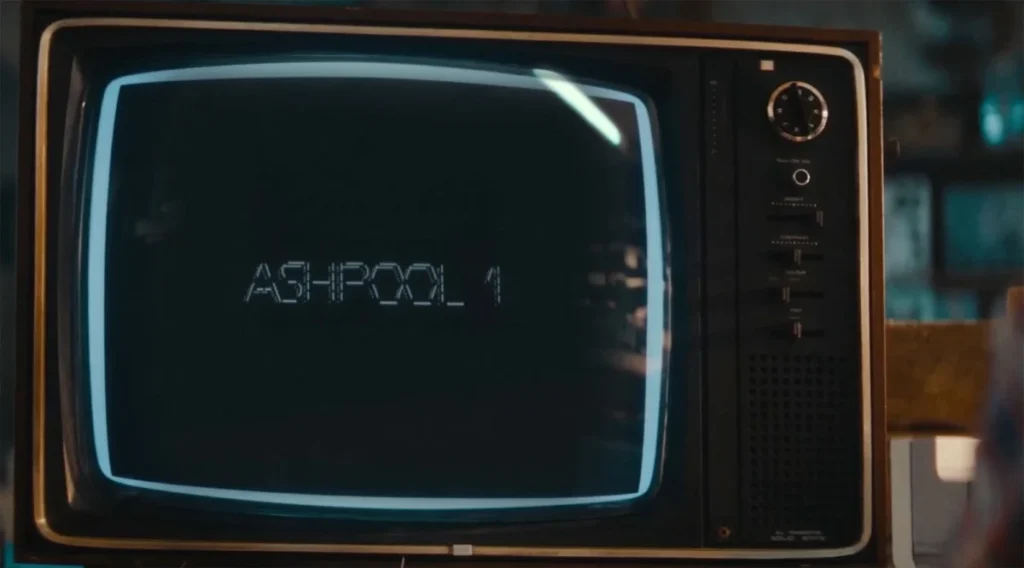

The digital ether crackled with anticipation on July 1, 2026, as Apple TV+ ignited the online discourse with a brief, enigmatic teaser for its highly anticipated science fiction adaptation, Neuromancer. The 20-second clip, disseminated across the streaming giant’s social media channels, offered a stark visual: the boot-up sequence of an antique Ashpool 1 computer, accompanied by the iconic opening line from William Gibson’s seminal novel, "The sky above the port was the color of television, tuned to a dead channel." This cryptic offering, while deliberately sparse, serves as a powerful harbinger, strongly suggesting that a full-fledged teaser trailer is on the horizon. The accompanying text from Apple TV+ boldly declared, "42 years ago, William Gibson introduced the world to Neuromancer. Now, the next chapter is loading." This sentiment directly references the fictional Tessier-Ashpool (T-A) family corporation, a pivotal entity within Gibson’s sprawling cyberpunk narrative. The visual nod to an "Ashpool 1" computer, strikingly reminiscent of the historic Apple I computer released in 1976, underscores the series’ commitment to its foundational lore and the retro-futuristic aesthetic that defined an era of speculative fiction.
A Glimpse into the Cyberpunk Future: The Teaser’s Core Elements
The teaser itself, minimal in its visual presentation, focuses on the symbolic act of a digital entity awakening. The Ashpool 1 computer, a fictional construct within the Neuromancer universe, evokes a sense of vintage technology imbued with immense power and hidden secrets. Its boot-up sequence, a familiar ritual for early computer users, is transformed into a portal, drawing viewers into the complex world Gibson first conceptualized. The inclusion of the now-legendary quote, a touchstone for cyberpunk literature, immediately grounds the adaptation in its literary roots. This quote, more than just descriptive prose, encapsulates the pervasive sense of technological alienation and the decaying, yet hyper-connected, urban landscapes that characterize the genre.
The narrative premise, as outlined by promotional materials and the original novel, centers on a disgraced data-thief and a formidable street samurai who are coerced into undertaking a high-stakes heist against a powerful corporate dynasty. This core conflict promises a blend of high-octane action, intricate digital espionage, and profound explorations of identity in a technologically saturated future.
The Genesis of a Cyberpunk Masterpiece: William Gibson’s Neuromancer
William Gibson’s Neuromancer, first published in 1984, is widely credited with popularizing the cyberpunk genre. The novel introduced a lexicon of terms and concepts that have since become ingrained in science fiction, including "cyberspace," "matrix," and "console cowboy." Its gritty portrayal of a future dominated by mega-corporations, artificial intelligence, and the blurring lines between human and machine resonated deeply with readers and critics alike, earning it the Nebula Award, the Hugo Award, and the Philip K. Dick Award – a rare trifecta of accolades. The novel’s impact extended far beyond literature, influencing film, video games, and even the development of early internet culture.

The Tessier-Ashpool family, a shadowy and immensely wealthy entity, plays a central role in the novel’s plot, embodying the unchecked power and moral ambiguity of the corporate entities that govern Gibson’s future. The "Ashpool 1" computer, therefore, is not merely a prop but a direct link to the foundational mythology of Neuromancer. Its antiquated appearance juxtaposed with the advanced digital world it represents highlights the series’ potential to explore themes of technological evolution, legacy, and the enduring influence of the past on the future.
A Stellar Cast Assembled for the Digital Frontier
The Neuromancer series boasts an impressive ensemble cast, tasked with bringing Gibson’s complex characters to life. Callum Turner is set to portray Case, the brilliant but jaded data-thief whose expertise is sought after by shadowy forces. Briana Middleton steps into the formidable role of Molly, the augmented "street samurai" known for her mirrored eye implants and deadly combat skills.
The supporting cast is equally compelling, featuring Joseph Lee as Hideo, a loyal bodyguard and operative; Mark Strong as the enigmatic Armitage, the orchestrator of the central heist; Clémence Poésy; Peter Sarsgaard; Emma Laird; Max Irons; and Dane DeHaan, whose roles are yet to be fully detailed but are expected to contribute significantly to the series’ intricate plot. The presence of these established actors signals Apple TV+’s significant investment in the production and its ambition to deliver a high-caliber viewing experience.
The Creative Engine Behind the Adaptation
The adaptation of Neuromancer for television is spearheaded by a talented creative team. Graham Roland, known for his work on acclaimed series like "Fringe," "Jack Ryan," and "Dark Winds," serves as showrunner and executive producer, bringing a wealth of experience in crafting compelling genre narratives. J.D. Dillard, director of the films Sleight, Sweetheart, and Devotion, helms the pilot episode, lending his distinctive visual style to the series’ inception.
The production is a collaborative effort between major players in the industry: Skydance Television, Anonymous Content, and DreamCrew Entertainment. This consortium of production houses indicates a robust backing for the series, ensuring high production values and a commitment to realizing Gibson’s vision with cinematic grandeur. The executive producing team is further bolstered by notable names, including David Ellison, Dana Goldberg, Matt Thunell, and even a significant contribution from the artist Drake, alongside Adel "Future" Nur and Jason Shrier, and Zack Hayden, with William Gibson himself also serving as an executive producer, lending his direct oversight and endorsement to the project.

A Legacy of Adaptation and Anticipation
This isn’t the first time Neuromancer has been slated for adaptation. The novel’s cinematic potential has been recognized for decades, with various attempts to bring it to the big screen over the years. However, the complexity of its narrative, its groundbreaking visual style, and its deep dive into philosophical themes have presented significant challenges. Apple TV+’s commitment to a full series offers a more expansive canvas, allowing for a more faithful and nuanced exploration of Gibson’s dense world-building and intricate character arcs.
The platform’s previous forays into ambitious science fiction, such as Foundation and For All Mankind, have demonstrated its capability to handle grand-scale narratives and deliver visually stunning productions. The Neuromancer series is poised to continue this trajectory, aiming to capture the zeitgeist that the original novel so effectively defined.
The Timeline of Anticipation: From Announcement to Teaser
The journey towards this Neuromancer teaser has been a gradual build-up of information and glimpses. While the series was officially announced and production began, concrete visual content remained scarce until recent developments. The appearance of a teaser video for the "Chatsubo" bar last year, a significant location within the novel, served as an earlier breadcrumb for dedicated fans. This latest teaser, however, marks a significant escalation in the promotional campaign, signaling that the series is entering its final stages of preparation for release.
Apple TV+ has confirmed that Neuromancer is slated for a streaming debut on its platform sometime in 2026. This timeline suggests that the current teaser is intended to whet the appetite of the audience and build momentum towards the eventual full trailer and subsequent premiere. The deliberate pacing of these reveals allows for sustained fan engagement and speculation, a common strategy for major streaming services unveiling high-profile projects.
Analyzing the Implications: Cyberpunk’s Resurgence and Digital Culture
The Neuromancer series arrives at a moment when discussions around artificial intelligence, digital privacy, and the pervasive influence of technology are more relevant than ever. Cyberpunk, once a niche subgenre, has experienced a resurgence in popular culture, reflecting contemporary anxieties and fascinations with the digital age. The adaptation’s success could herald a new wave of interest in cyberpunk narratives, encouraging further exploration of these themes in media.

The choice to visually reference the Apple I computer is a particularly astute one. It creates a direct link between the nascent stages of personal computing and the hyper-advanced, interconnected world depicted in Neuromancer. This juxtaposition highlights the long arc of technological development and the enduring human drive to innovate, even as the ethical and societal implications of these advancements continue to be debated.
The series’ production by Skydance Television, Anonymous Content, and DreamCrew Entertainment, with executive producers including Drake, speaks to the broad appeal and significant commercial interest in adapting such an influential work. The involvement of William Gibson himself as an executive producer is a crucial element, assuring fans that the adaptation will remain true to the spirit and thematic core of his groundbreaking novel. As the release date approaches, the Neuromancer series stands as a significant cultural event, poised to reignite conversations about the future, technology, and the very nature of human existence in an increasingly digital world. The cryptic teaser is merely the opening salvo in what promises to be a compelling and thought-provoking journey into the heart of cyberspace.