
Getty Images and Shutterstock, two titans of the digital imagery and stock photography industry, have officially called off their proposed $3.7 billion merger, citing an insurmountable regulatory hurdle imposed by the United Kingdom’s Competition and Markets Authority (CMA). The decision, announced by Getty Images on Tuesday, marks a significant moment for the global M&A landscape, underscoring the formidable power of national regulators to shape, and ultimately scuttle, major consolidation efforts even across international borders. The ambitious plan to unite two of the largest visual content marketplaces hit an intractable roadblock when the CMA mandated the divestiture of Shutterstock’s entire editorial business, a condition Getty’s board unanimously deemed a "non-starter," according to a regulatory filing with the Securities and Exchange Commission. This development not only redefines the immediate strategic trajectory for both Getty Images and Shutterstock but also sends a clear message to other multinational corporations contemplating large-scale mergers, particularly those with significant market presence in the UK.
The Ambitious Union That Never Was: Background and Rationale
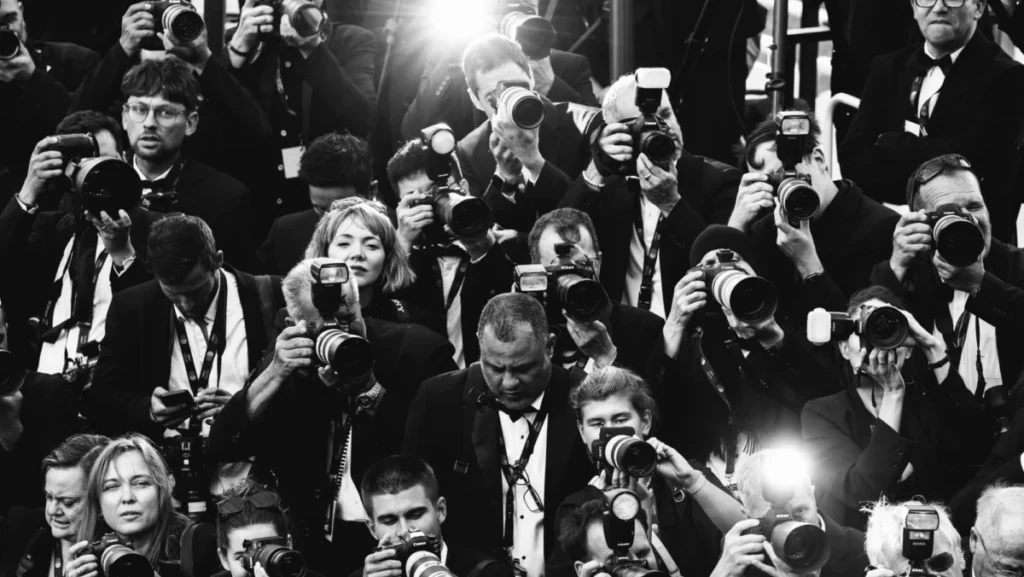
The proposed merger, initially unveiled in January 2023, was designed to create a dominant force in the global visual content industry, bringing together Getty Images’ prestigious archive and extensive wire service network with Shutterstock’s vast library of over 450 million images and videos. Getty Images, under the leadership of CEO Craig Peters, provides essential wire service images and video to media organizations and businesses worldwide, capturing iconic moments from red carpets to major news events and global film festival premieres. Shutterstock, while also serving a broad spectrum of creative professionals and businesses, has built its reputation on a massive, diverse, and often more accessible stock content library.
Both companies have been pivotal players in the evolution of digital imagery. Getty Images, founded in 1995, rapidly grew through strategic acquisitions, establishing itself as a premier source for high-quality, often exclusive, editorial and archival photography. Shutterstock, launched in 2003, pioneered the subscription model for stock photography, democratizing access to visual content and fostering a massive community of contributors. For years, they have been primary competitors, vying for market share among creative professionals, media outlets, and corporate clients.
The strategic rationale behind the $3.7 billion cash-and-stock deal was multifaceted. Both companies faced increasing pressure from evolving market dynamics, including the proliferation of user-generated content, the rise of microstock agencies offering highly competitive pricing, and, most recently, the disruptive emergence of artificial intelligence (AI) in content generation. A combined entity was envisioned to achieve significant cost synergies, with projections ranging from $150 million to $200 million within three years of combining operations. Beyond cost efficiencies, the merger aimed to consolidate market share, enhance pricing power, and create a more robust platform better equipped to invest in new technologies and fend off competitive threats. For Getty, acquiring Shutterstock would have solidified its position at the apex of the visual content market, expanding its reach into Shutterstock’s diverse client base and content creator community. The consolidation was also seen as a defensive measure, creating a larger, more resilient entity in a rapidly fragmenting and technologically advancing industry. The allure of combining two powerful brands to dominate the visual content ecosystem was undeniable for their respective boards.
A Chronology of Regulatory Scrutiny and the Deal’s Demise
The journey from announcement to termination for the Getty-Shutterstock merger was marked by increasing regulatory scrutiny, particularly from the UK, which ultimately proved to be the deal’s undoing.
- January 2023: Getty Images and Shutterstock publicly announce their intention to merge in a $3.7 billion deal, pending shareholder and regulatory approvals. The announcement is met with cautious optimism by investors, who foresee the potential for market dominance and efficiency gains. The companies emphasize the complementary nature of their offerings and the significant benefits of scale.
- Early 2023: The companies begin the arduous process of seeking necessary regulatory approvals in various jurisdictions worldwide, including the United States, European Union, and the United Kingdom. Regulatory filings are meticulously prepared, detailing the market landscape and the expected competitive effects of the proposed union.
- Spring 2023: Initial regulatory reviews commence. The UK’s Competition and Markets Authority (CMA) begins its preliminary Phase 1 assessment, inviting comments from interested parties, including competitors, customers, and industry bodies. This stage typically involves gathering broad market feedback to identify potential competition concerns.
- Late Spring/Early Summer 2023: The CMA expresses initial concerns regarding the potential impact of the merger on competition within the UK market. Specifically, the authority flags potential issues in the supply of editorial and stock visual content, where both Getty and Shutterstock hold significant market positions. The CMA indicates that the merger could lead to a substantial lessening of competition in these key areas, potentially harming consumers through higher prices or reduced choice.
- June 2023: Following its initial findings, the CMA formally initiates a deeper, more intensive Phase 2 investigation into the proposed merger. This signifies that its preliminary review found sufficient grounds to believe the deal could indeed lead to a substantial lessening of competition. A Phase 2 investigation is a comprehensive dive, involving extensive data collection, rigorous market analysis, economic modeling, and detailed consultations with a wider range of stakeholders, including expert panels.
- Early July 2023: Following its in-depth investigation, the CMA communicates its provisional findings and remedies to Getty Images. The primary sticking point emerges: the CMA concludes that to alleviate competition concerns, particularly in the editorial content market, Shutterstock would need to divest its entire editorial business. This requirement aimed to prevent excessive concentration of power in the supply of news and event imagery, ensuring that media outlets and other consumers in the UK would continue to have sufficient choice and competitive pricing. The CMA’s analysis likely pointed to a scenario where the combined entity would hold an unassailable position in providing critical, time-sensitive visual content to UK news organizations.
- July 2023: Getty Images’ board of directors convenes to deliberate on the CMA’s mandated divestiture. After careful consideration, the board unanimously decides that the requirement to sell Shutterstock’s editorial business is commercially unviable and fundamentally alters the strategic rationale of the merger. They view it as an "apparent non-starter" that would undermine the core value and synergies expected from the deal, effectively making the merger undesirable from a strategic and financial perspective.
- July 2023: Getty Images publicly announces the termination of the merger agreement, citing the UK regulatory roadblock as the decisive factor. The company states its intention to hire a financial advisor to assess "strategic financing alternatives available" for its next steps, signaling a pivot to exploring other avenues for growth and value creation. Shutterstock, while not issuing a direct statement in response at the time of Getty’s announcement, is expected to continue its standalone strategy, albeit having missed the opportunity for significant consolidation and projected synergies.
The UK’s Competition and Markets Authority: A Global Gatekeeper
The CMA’s intervention in the Getty-Shutterstock deal is not an isolated incident but rather a testament to its increasingly assertive role as a global competition regulator. The authority’s mandate is to promote competition for the benefit of consumers, both within the UK and in markets affecting UK consumers. This includes reviewing mergers and acquisitions to ensure they do not lead to higher prices, reduced choice, or lower quality goods and services. The CMA operates independently of political influence, basing its decisions on rigorous economic analysis and legal frameworks.
The CMA has gained a reputation for its robust enforcement, particularly in the digital and tech sectors, where market dynamics are often complex and rapidly evolving. Its high-profile actions include blocking Meta’s acquisition of Giphy, demanding the sale of the GIF-sharing platform to alleviate concerns about reduced competition in the social media and display advertising markets. More recently, the CMA stood firm against Microsoft’s proposed $69 billion takeover of Activision Blizzard, initially blocking the deal over concerns about its impact on the nascent cloud gaming market. While Microsoft eventually secured approval after restructuring the deal and divesting some cloud gaming rights to Ubisoft, the CMA’s initial stance demonstrated its willingness to challenge even the largest global tech giants, forcing them to make significant concessions.
In the case of Getty and Shutterstock, the CMA’s focus on Shutterstock’s editorial business highlights a specific concern regarding "media plurality" and the concentration of critical content supply. Editorial content, particularly wire service photography, is fundamental for news organizations and media outlets to inform the public. A merger that combines two of the largest providers could significantly reduce the number of independent sources for such content, potentially giving the combined entity undue influence over pricing, terms, and even the availability of imagery vital for public information. This focus aligns with broader governmental concerns in the UK and elsewhere about the health of the media landscape and ensuring a diverse range of voices and information sources. The CMA’s decision reflects a commitment to protecting competition in essential upstream markets that underpin the wider creative and journalistic industries, ensuring that even highly specialized segments are not monopolized to the detriment of public interest.
Financial and Market Repercussions, and Getty’s New Strategic Horizon
The termination of the merger carries immediate and longer-term implications for both companies and the broader digital imagery market. For Getty Images, the immediate impact includes the loss of projected synergies, which represented a substantial portion of the deal’s financial appeal. The company now faces the challenge of pursuing its strategic goals independently, without the immediate scale and market dominance that the Shutterstock acquisition would have provided. Getty’s statement about hiring a financial advisor to assess "strategic financing alternatives" suggests it is exploring options for capital restructuring, debt refinancing, or potentially smaller, more targeted acquisitions that would not trigger such intense regulatory scrutiny. It could also imply a renewed focus on organic growth initiatives, leveraging its brand strength, technological investments, and recent partnerships.
For Shutterstock, the abandoned deal means a continuation of its standalone strategy. While a merger with Getty would have offered significant scale and potentially stronger market positioning against emerging threats, Shutterstock now retains its independence and the full value of its diverse content library. The company will likely double down on its own growth initiatives, possibly seeking out alternative partnerships, refining its offerings to cater to specific market segments, or exploring its own M&A opportunities that might face less regulatory resistance.
Analysts will be closely watching the stock performance of both companies in the wake of the announcement, particularly how investors react to the failed consolidation attempt versus their respective standalone prospects. The broader stock imagery market may remain fragmented, with intense competition driving pricing pressures, unless other forms of consolidation or strategic alliances emerge that can navigate the increasingly stringent global regulatory environment. The industry continues to grapple with the challenge of balancing content creators’ compensation with client demand for affordable, high-quality visuals.
The AI Factor and Getty’s Pivotal OpenAI Partnership
Interestingly, days before the merger’s collapse, Getty Images announced a landmark partnership with OpenAI, the creator of ChatGPT and DALL-E. This agreement allows OpenAI to license Getty’s vast library of images and videos to train its generative artificial intelligence models, while also incorporating Getty’s content into future AI products. This move represents a significant strategic pivot for Getty, positioning it at the forefront of the AI revolution in content creation, rather than merely reacting to it.
The emergence of generative AI tools has been a profound disruptor for the stock photography industry. AI models trained on vast datasets of existing imagery can now create novel images from text prompts, raising complex questions about copyright, compensation for artists, and the future value of human-created stock content. Many content creators and photography agencies have expressed concerns about AI companies using their work without proper attribution or remuneration, often leading to legal challenges. Indeed, Getty Images itself had previously filed a lawsuit against Stability AI, alleging copyright infringement related to the use of its content for training AI models without permission.
Getty’s deal with OpenAI, therefore, is a bold and proactive step. Instead of fighting the tide of AI in its entirety, Getty has chosen to partner with a leading AI developer, establishing a framework for licensed, ethical use of its content for AI training. This not only provides a new revenue stream but also potentially sets an industry standard for how visual content providers can engage with AI technologies, emphasizing fair compensation and legal compliance. It also gives Getty a crucial competitive edge, allowing it to explore the creation of AI-powered tools and services for its customers, leveraging its own curated and ethically sourced content. This strategic decision contrasts sharply with the failed merger strategy, suggesting that Getty may view direct engagement with AI as a more promising path for long-term growth and market leadership than traditional horizontal consolidation. The original merger agreement with Shutterstock was unveiled as these platforms were grappling with the emergence of artificial intelligence tools, indicating that the AI challenge was a significant backdrop to the entire consolidation effort. Now, Getty has taken a distinctly different, AI-centric path, potentially redefining its role in the visual content ecosystem.
Broader M&A Landscape: UK’s Influence on Global Deals
The UK’s CMA has repeatedly demonstrated its willingness to assert its regulatory authority, impacting global mergers far beyond its domestic borders. The termination of the Getty-Shutterstock deal reinforces this trend and serves as a potent reminder for multinational corporations planning large-scale acquisitions. The CMA’s intervention reflects a broader global tightening of antitrust scrutiny, particularly in sectors deemed critical for public interest or susceptible to rapid monopolization. This trend is not confined to the UK; regulators in the EU, US, and other major economies are also exhibiting increased vigilance over large-scale M&A.
This heightened scrutiny is of particular interest to industries like Hollywood, which are currently grappling with their own megadeal aspirations. David Ellison’s Skydance Media, for instance, is actively pursuing a complex, multi-billion-dollar takeover of Paramount Global, which would include merging with its parent company, National Amusements, and potentially acquiring Warner Bros. Discovery assets. This potential consolidation of major studios, with its implications for content creation, distribution, and media diversity, is also squarely on the CMA’s radar.
Earlier in June, Lisa Nandy, who held the title of UK Secretary of State for Culture, Media and Sport at the time, indicated that the British government might intervene in Paramount’s $111 billion takeover attempt of Warner Bros. Discovery. Nandy stated that the next stage might be "for the Competition and Markets Authority (CMA) to assess and report to me on whether a relevant merger situation has been created, and any impact this may have on competition." This statement highlights the layered approach to regulatory oversight in the UK, where the CMA conducts its independent assessment, but government ministers also retain powers to intervene on broader public interest grounds, such as media plurality and the protection of journalistic integrity.
Paramount, led by David Ellison, has publicly expressed confidence that it will close its deal on its previously stated timeline without hitting its own speed bump. A Paramount representative stated, "We are grateful for the continued constructive engagement with all interested government bodies and relevant authorities, including in the UK. We are confident that our proposed transaction does not pose any media plurality issues in the UK and remain confident in our stated transaction timeline." The CMA formally opened its review on June 10 and had set an August 7 deadline for a ruling on the Paramount deal, signaling the intensity and speed with which these major transactions are being scrutinized.
The UK’s robust regulatory stance creates a "global chill" effect, where dealmakers must factor in the potential for stringent conditions or outright rejections from influential national authorities. This forces companies to conduct more thorough pre-merger analyses of regulatory risks, potentially altering deal structures or even deterring certain acquisitions altogether. For companies operating in multiple jurisdictions, achieving regulatory clearance in the UK can be as critical, if not more so, than in larger markets, given the CMA’s demonstrated independence and willingness to act decisively. The abandonment of the Getty-Shutterstock merger due to the UK’s demands serves as a stark precedent, emphasizing that even well-reasoned commercial strategies can be derailed if they fail to align with national competition policies. It underscores a global trend towards increased scrutiny of market concentration, especially in digital economies and content industries, where market power can translate into significant influence over information and cultural production. For Getty Images, the future now lies in navigating the complexities of AI and exploring new growth avenues independently, while the broader M&A landscape continues to adapt to the formidable presence of regulators like the CMA.