
The television world is mourning the loss of James "Jimmy" Burrows, the prolific director whose unparalleled vision shaped the landscape of American sitcoms for over five decades, who passed away peacefully at the age of 85. His death, announced on Friday, marks the end of an extraordinary career that saw him direct over 1,000 episodes of television and co-create one of the most beloved comedies in history, Cheers. Burrows’ influence is immeasurable, having helmed the pilots and numerous episodes of iconic shows such as Friends, Taxi, The Mary Tyler Moore Show, Frasier, Will & Grace, and The Big Bang Theory, earning him 11 Emmy Awards and a reputation as a true maestro of multi-camera comedy.
News of his passing immediately prompted a flood of heartfelt tributes from the actors he directed, many of whom credited him with not only guiding their performances but also fostering a familial atmosphere on set. Among the first to share their condolences were members of the Friends cast, reflecting the deep bond he forged with them during the show’s decade-long run.
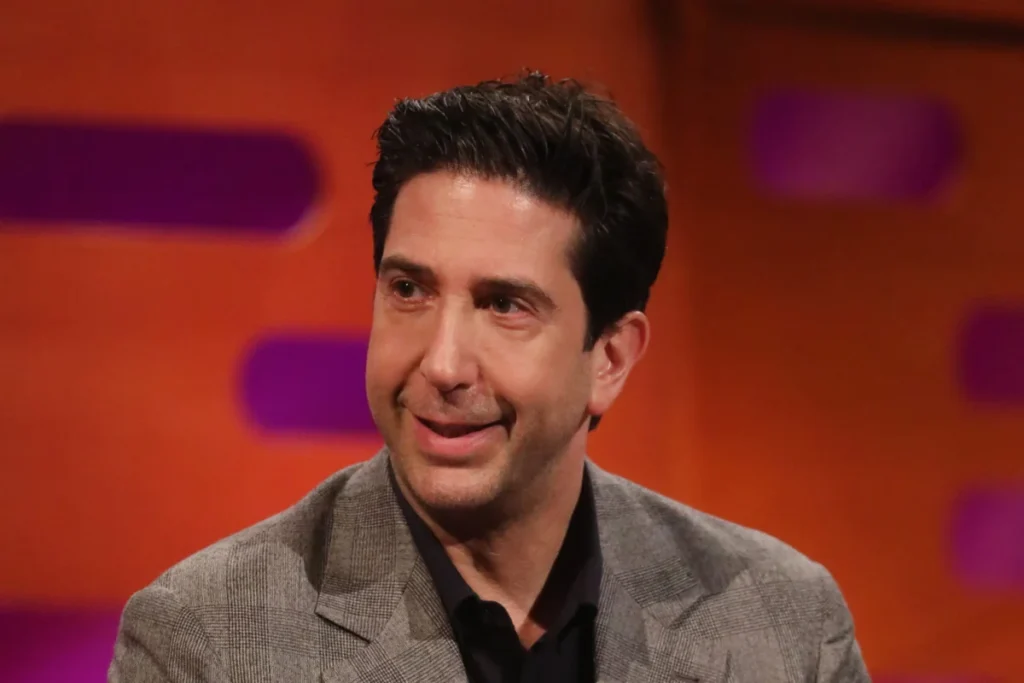
David Schwimmer, 59, who famously portrayed Ross Geller in Friends, took to Instagram to express his profound gratitude and sorrow. "Jimmy Burrows brought out the best in every actor he ever worked with, and elevated every show he directed, making it funnier and more moving than anyone expected," Schwimmer wrote. He emphasized Burrows’ unique ability to create a safe and nurturing environment, stating, "His warmth, humility and generosity made us feel safe, like family, and I’m sure we weren’t the only cast to feel that way. He looked out for us, on camera and off." Schwimmer’s tribute underscored the personal impact Burrows had, adding, "He became another father figure for me, and I’m sure others. Paternal in the best sense of the word, loving, wise, encouraging, challenging, instructive, patient, inspiring, playful—and on my best days, I’d like to think, even proud." He concluded by expressing his deep sense of loss and eternal gratitude, sharing a black and white image of himself, Burrows, and Matt LeBlanc.
Matt LeBlanc, 58, known for his role as the lovable Joey Tribbiani, echoed Schwimmer’s sentiments, recognizing Burrows as an industry titan. "Jimmy, words cannot describe the impact and influence you had on us and everyone who was lucky enough to have known you," LeBlanc posted. He further hailed Burrows as "a true icon on so many levels" and offered well wishes for his "next act," adding, "You will be missed. God bless." LeBlanc’s tribute was accompanied by a picture of him and Burrows together at Wembley Stadium, a testament to their enduring friendship beyond the set.
Lisa Kudrow, 62, who brought the quirky Phoebe Buffay to life, also shared a poignant tribute on her Instagram story. She posted a picture of herself with Burrows, seated beside his director’s chair, a familiar sight for anyone who knew his dedicated presence on set. These heartfelt messages from the Friends cast members represent just a fraction of the widespread mourning within the entertainment industry for a director whose career spanned generations and profoundly influenced the art of television comedy.
A Storied Career: The Genesis of a Legend
Born on December 30, 1940, in Los Angeles, California, James Burrows was steeped in the entertainment world from birth. He was the son of legendary Broadway playwright and director Abe Burrows, a Pulitzer Prize winner known for classics like Guys and Dolls and How to Succeed in Business Without Really Trying. This upbringing undoubtedly provided Burrows with an unparalleled early education in comedic timing, character development, and storytelling. After graduating from Oberlin College and attending the Yale School of Drama, Burrows initially pursued a career in theatre, but the burgeoning world of television soon beckoned.
He began his television directing career in the early 1970s, honing his craft on some of the era’s most acclaimed and groundbreaking sitcoms. His early credits include episodes of The Mary Tyler Moore Show, The Bob Newhart Show, and Laverne & Shirley. These foundational experiences allowed him to master the multi-camera format, understanding the nuances of how to stage comedy for a live studio audience while simultaneously capturing intimate moments for the screen. His meticulous approach to blocking, pacing, and performance quickly distinguished him as a director who understood the mechanics of laughter and human connection better than most.
The Architect of Laughter: Crafting Iconic Sitcoms

The year 1982 marked a pivotal moment in Burrows’ career and television history with the debut of Cheers. Co-created with Glen and Les Charles, Burrows directed every single episode of the show’s celebrated 11-season run (from 1982 to 1993), a remarkable feat that solidified his reputation as a visionary. Cheers, set in a Boston bar "where everybody knows your name," became a cultural phenomenon, lauded for its witty writing, sophisticated character development, and groundbreaking ensemble cast. Burrows’ direction was instrumental in bringing this vision to life, creating a vibrant, believable world where viewers felt like regulars.
He pioneered many techniques that became standard in multi-camera sitcoms, particularly his mastery of framing and movement within a confined set, ensuring that every character had their moment while maintaining the seamless flow of ensemble banter. Cheers earned him numerous accolades, including multiple Emmy Awards for Outstanding Directing for a Comedy Series, and remains a benchmark for comedic storytelling and character-driven television. Its success not only launched the careers of stars like Ted Danson and Shelley Long but also spawned the equally successful spin-off Frasier, on which Burrows also directed numerous episodes.
The ‘Friends’ Phenomenon and Beyond
Following his monumental work on Cheers, Burrows continued his prolific output, leaving an indelible mark on another generation-defining sitcom: Friends. He directed the pilot episode, "The One Where Monica Gets a Roommate," laying the essential groundwork for the show’s iconic style and tone. His ability to instantly establish the chemistry between the six lead actors and define their individual comedic rhythms was crucial to Friends’ immediate and enduring success. He would go on to direct 15 episodes of the series, including "The One with the Two Parts" and "The One with the Prom Video," episodes that are frequently cited as fan favorites for their emotional depth and comedic brilliance. It was also during Friends’ run that Burrows achieved an unprecedented milestone: directing his 1000th episode of television, a testament to his unparalleled consistency and dedication.
Beyond Cheers and Friends, Burrows’ directorial touch graced an astounding array of beloved comedies. His resume reads like a "who’s who" of television’s greatest hits, including Taxi (1978-1983), where he directed 75 episodes and helped shape its unique blend of poignant drama and sharp comedy. He also lent his talents to Night Court, The Hogan Family, NewsRadio, Dharma & Greg, Caroline in the City, and Two and a Half Men. In the 2000s and 2010s, he continued to be a sought-after director, helming episodes of popular shows like Will & Grace, The Big Bang Theory, Mike & Molly, and Superior Donuts. His work on Will & Grace was particularly acclaimed, helping to define the show’s rapid-fire dialogue and theatrical staging, for which he won another Emmy. This incredible breadth of work across different networks, eras, and comedic sensibilities underscores his adaptability and timeless understanding of what makes people laugh.
A Master of the Multi-Camera Format
What distinguished James Burrows was his profound understanding and mastery of the multi-camera sitcom format. He wasn’t just a director; he was a craftsman who elevated the genre to an art form. His directing style was characterized by meticulous blocking, ensuring that every actor was perfectly positioned for maximum comedic impact and visual storytelling. He possessed an innate sense of comedic timing, knowing precisely when to hold a shot, when to cut, and how to orchestrate physical comedy to enhance a joke.
Burrows was renowned for his ability to nurture ensemble casts. He understood that the heart of a great sitcom lies in the relationships between its characters, and he expertly guided actors to build genuine chemistry. His sets were known for their collaborative atmosphere, where actors felt empowered to contribute while always respecting his ultimate vision. He often encouraged improvisation within the framework of the script, allowing for spontaneous moments that felt authentic and enhanced the humor. This "Burrows touch" was evident in the seamless banter of Cheers‘ bar patrons, the close-knit dynamic of the Friends gang, and the witty repartee of Will & Grace‘s quartet. He brought a theatrical precision to television, translating the energy of a live stage performance into the intimate medium of the small screen.
A Mentor and Father Figure: Industry Tributes
The tributes from the Friends cast members, particularly David Schwimmer’s poignant reflection on Burrows as a "father figure," highlight his significant role beyond that of a director. Burrows was widely regarded as a mentor who invested in his actors, helping them to find their characters’ voices and grow as performers. His generosity of spirit, wisdom, and encouraging nature created an environment where creativity flourished. He was known for his calm demeanor, even amidst the chaos of a live studio taping, providing a steady hand that instilled confidence in his casts and crews.

Beyond the specific statements from Schwimmer, LeBlanc, and Kudrow, the wider television community is expected to share an outpouring of condolences and reflections on Burrows’ profound impact. Actors and creators from Cheers, including Ted Danson, Rhea Perlman, and Kelsey Grammer, as well as the cast and creators of Will & Grace (Debra Messing, Eric McCormack, Sean Hayes, Megan Mullally, and creators Max Mutchnick and David Kohan) and The Big Bang Theory (Chuck Lorre and its ensemble cast), are among the many who benefited from his guidance and are undoubtedly mourning his loss. Industry executives, writers, and fellow directors will remember him as a true professional, a master of his craft, and an invaluable contributor to the golden age of television comedy.
Awards and Accolades: A Legacy of Excellence
James Burrows’ extraordinary career was recognized with a multitude of prestigious awards, underscoring his consistent excellence and groundbreaking contributions. He won an impressive 11 Primetime Emmy Awards, primarily for Outstanding Directing for a Comedy Series for his work on Cheers, Frasier, and Will & Grace. These awards are a testament to his ability to consistently deliver critically acclaimed and commercially successful television.
In addition to his Emmys, Burrows also received four Directors Guild of America (DGA) Awards for Outstanding Directorial Achievement in Comedy Series, further solidifying his standing among his peers. The DGA recognized his lifetime achievement with a Lifetime Achievement Award in Television in 2015, celebrating his enduring influence and legacy. He was also inducted into the Television Academy Hall of Fame in 2017, a fitting tribute to a man who helped define the modern sitcom. His awards cabinet is not merely a collection of trophies but a chronicle of a career dedicated to comedic perfection and innovative storytelling.
The Enduring Impact on Television Comedy
James Burrows’ legacy extends far beyond the individual episodes and shows he directed. He fundamentally shaped the grammar and aesthetics of the American multi-camera sitcom. His influence can be seen in countless comedies that followed, from the way ensemble casts interact to the precision of comedic blocking and the art of capturing audience laughter. He proved that multi-camera sitcoms, often dismissed as a simpler form of television, could be sophisticated, emotionally resonant, and enduring works of art.
His methods of working with actors, his ability to foster a collaborative and supportive environment, and his unwavering commitment to quality set a benchmark for the industry. He taught generations of actors, writers, and directors how to create compelling characters, craft memorable jokes, and tell heartwarming stories within the confines of a sitcom format. The comedic timing, character development, and ensemble chemistry that defined his most successful shows continue to inspire and inform new productions today. Burrows’ work remains a masterclass in how to blend humor with genuine human emotion, creating television that not only made people laugh but also resonated deeply and stood the test of time.
Family Statement and Final Thoughts
In a statement announcing his passing, shared with US outlet People, James Burrows’ family lovingly commemorated his life and enduring impact. "We celebrate the extraordinary life and enduring legacy of James ‘Jimmy’ Burrows, who passed away peacefully today surrounded by his loving family," the statement read. "For more than five decades, Burrows was one of the most influential and beloved directors in television history. As a legendary director, mentor, and creative force, he helped shape generations of comedy and brought immeasurable joy to audiences around the world."
Indeed, James Burrows was more than just a director; he was a cultural architect whose work provided comfort, laughter, and connection to millions across the globe. His meticulous craft, his generosity as a mentor, and his unparalleled vision will forever be remembered as cornerstones of television comedy. While the industry mourns the loss of a giant, his enduring body of work will continue to entertain and inspire, ensuring that the legacy of Jimmy Burrows, the man who made us laugh, will live on for generations to come.