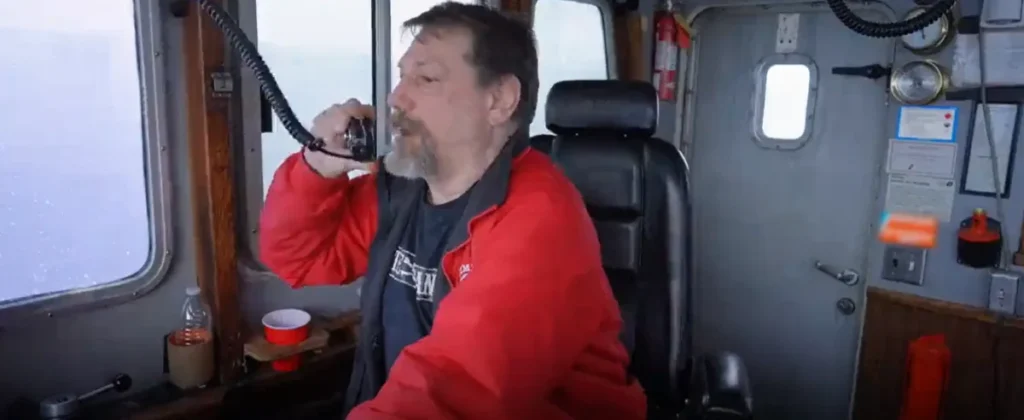

The unforgiving waters of the Bering Sea continued to test the mettle of crab fishermen on the latest episode of Discovery Channel’s Deadliest Catch, airing June 19. As the season’s challenges intensified, captains faced a trifecta of harsh weather, critical equipment failures, and the daunting prospect of significant financial and regulatory penalties. The episode highlighted the precarious balance of skill, luck, and adherence to the rules that defines life on the front lines of commercial fishing.
The Wizard’s Troubles: A Brother’s Burden and a Costly Mistake
The most immediate crisis unfolded aboard The Wizard, where captain Keith Colburn had stepped away, leaving his brother Monte Colburn to assume command. Monte quickly discovered a potentially catastrophic error made by Keith: the setting of fifty baited pots within a designated 10,000-square-mile restricted zone. This transgression carried severe repercussions, including the confiscation of crab and substantial fines.
Monte Colburn, faced with this daunting inheritance, sought guidance from regulatory bodies, receiving the unwelcome news that the only recourse was to retrieve and release the illegally caught crab. This decision translated into an immediate financial blow, with an estimated $16,000 worth of crab forfeited. Beyond the monetary loss, the operation incurred a two-day delay in fishing, coupled with the significant expense of fuel for the fruitless effort.

The emotional toll on Monte and his crew was palpable. The sight of pots brimming with crab, a testament to their hard work, only to be unceremoniously dumped back into the ocean, was a difficult pill to swallow. However, the setback did not deter Monte. Driven by the urgency to meet their quota of 350,000 pounds, he immediately began formulating a strategy to recoup their losses and salvage the season. This incident underscores the stringent regulations governing the Bering Sea crab fishery, designed to ensure the sustainability of valuable crab populations but often creating complex challenges for fishermen operating under immense time and financial pressure. The penalty for such violations can range from hefty fines to the suspension or revocation of fishing licenses, demonstrating the high stakes involved in maintaining compliance.
Jake Anderson’s Quest for Legacy and a Lucky Break
Meanwhile, aboard the Cornelia Marie, Jake Anderson continued his relentless pursuit of a successful crabbing season, a mission deeply intertwined with honoring the memory of the late Captain Phil Harris. Harris, a beloved figure in the Deadliest Catch narrative, passed away at the age of 53 in 2010 due to a brain bleed resulting from a severe stroke. Anderson’s commitment to the Cornelia Marie is a testament to his dedication to carrying on Harris’s legacy and ensuring the vessel’s continued prosperity.
The crew found themselves battling an arctic storm that unleashed brutal conditions, with seas reaching up to 30 feet and wind gusts accelerating to 60 knots. These treacherous swells posed a significant threat to the stability of the Cornelia Marie, making it a dangerous environment for the crew as they worked to haul in their catch. Anderson expressed his apprehension, predicting a challenging period for his team as they navigated the violent ocean.
In a moment of reflection and seeking an edge, Anderson turned to a sentimental good luck charm: a gold chain gifted to him by Phil Harris two decades prior. He revealed that he rarely wore the item, reserving it for occasions of extreme difficulty where he felt a spiritual or psychological boost was necessary. The crew’s efforts were rewarded with substantial catches, however, a complication arose. The haul unexpectedly included opilio crab, a species different from the bairdi crab they were primarily targeting. The regulations strictly prohibit the harvesting of mixed crab species, with violations leading to fines in the tens of thousands of dollars.

Facing this dilemma, Anderson made a strategic gamble. He bet on deploying an additional 140 pots, hoping to secure the remaining 60,000 pounds of bairdi crab needed to complete their offload before the deadline. This bold move, which involved steering the Cornelia Marie south, ultimately paid off. The crew encountered a significant, "motherlode" of bairdi crab, suggesting that Phil Harris’s guiding spirit may have been watching over them. This success highlights Anderson’s ability to adapt and make high-pressure decisions under duress, a hallmark of successful captains in this demanding industry. The economic incentive to maximize catch is immense, but it must be balanced against the legal framework designed to protect the fishery for future generations.
Johnathan Hillstrand Battles Weather and a Pressing Mechanical Issue
On the Time Bandit, Johnathan Hillstrand was also under considerable pressure, with a ticking clock of 72 hours before a scheduled offload of 300,000 pounds of golden king crab. Like Anderson, Hillstrand and his crew had to contend with the fury of Mother Nature, as severe weather conditions mirrored the challenges faced by the Cornelia Marie. Hillstrand’s priority was the safety of his crew, orchestrating their efforts to set crab pots while strategically timing their operations to avoid the most destructive waves.
Despite the difficult conditions, crab numbers began to improve, offering a glimmer of hope. However, this nascent success was quickly overshadowed by an alarming incident. An alarm blared through the vessel, and smoke began to fill the air, signaling a critical issue. Johnathan’s brother, Neal Hillstrand, who serves as the engineer, identified the problem as an exhaust leak. The immediate concern was the potential for carbon monoxide poisoning, a silent but deadly threat that can lead to symptoms ranging from nausea and shortness of breath to, in severe cases, respiratory cardiac failure.
Neal Hillstrand, demonstrating remarkable ingenuity and mechanical skill, managed to fashion a temporary repair to seal the leak. This quick-thinking solution allowed the Time Bandit to continue its fishing operations without further interruption, a testament to the crew’s resilience and problem-solving capabilities. The incident serves as a stark reminder of the inherent dangers of operating heavy machinery in extreme environments, where even minor mechanical failures can have life-threatening consequences. The reliance on skilled engineers and the ability to perform emergency repairs at sea are crucial components of a successful and safe crabbing operation.

Broader Implications and the Future of Bering Sea Fishing
The events of this episode of Deadliest Catch reflect the ongoing challenges faced by the commercial fishing industry in the Bering Sea. The delicate balance between maximizing economic returns and ensuring the long-term sustainability of fish stocks is a constant struggle. Strict regulations, while necessary for conservation, can impose significant financial and operational burdens on fishermen.
The incidents involving both The Wizard and the Cornelia Marie highlight the critical importance of regulatory compliance. Keith Colburn’s violation, while perhaps unintentional in its severity, underscores the need for meticulous attention to detail in navigating complex fishing zones and regulations. The financial and operational penalties serve as a strong deterrent, emphasizing that adherence to the law is not just a matter of legality but also of economic prudence.
Jake Anderson’s successful gambit, while ultimately rewarding, also points to the razor-thin margins and high-risk nature of the industry. The potential for substantial fines for accidental bycatch of unintended species adds another layer of complexity to an already demanding profession. His reliance on a personal talisman and his deep connection to Phil Harris’s legacy speak to the psychological fortitude required to endure the isolation, danger, and pressure of the crab fishing life.
Johnathan Hillstrand’s experience with the exhaust leak is a potent reminder of the constant threat of mechanical failure at sea. The unforgiving environment of the Bering Sea leaves no room for error, and the ability of crews to perform emergency repairs can mean the difference between a successful trip and a disaster. The quick action of Neal Hillstrand prevented a potentially serious situation, showcasing the vital role of a skilled engineering team aboard these vessels.

As the season progresses, the captains and crews of Deadliest Catch will undoubtedly continue to face a gauntlet of challenges. The ongoing efforts to meet quotas, contend with unpredictable weather, and navigate the intricate web of regulations will shape the narrative of the season. The show continues to provide a gripping, albeit often grim, look into the lives of these mariners, illustrating the immense sacrifices they make in pursuit of their livelihood, and the enduring spirit of resilience that defines them. The economic impact of the crab fishery is substantial, contributing significantly to the Alaskan economy, but this must be weighed against the imperative of responsible resource management to ensure the fishery’s viability for generations to come. The ongoing dialogue between the fishing industry and regulatory bodies remains crucial in finding sustainable solutions that support both economic prosperity and ecological health.
Deadliest Catch airs Fridays at 8/7c on the Discovery Channel.