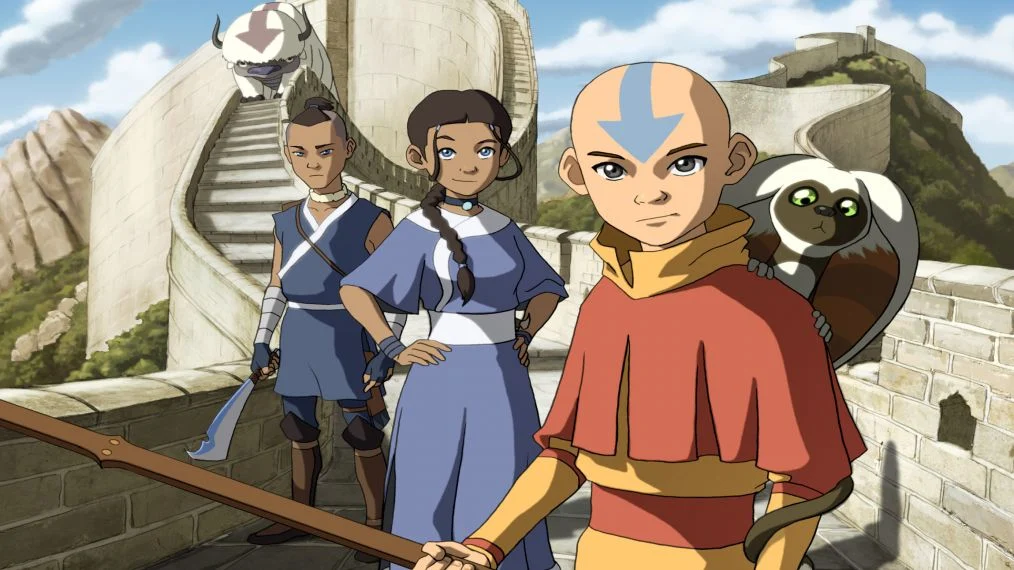

As Netflix gears up for the continued rollout of its live-action adaptation of Avatar: The Last Airbender, with Season 2 slated for release on June 25th and Season 3 already confirmed, audiences may find themselves in need of a comprehensive refresher on the romantic entanglements that blossomed within the original animated series. Nearly two decades after Nickelodeon’s groundbreaking cartoon first captivated viewers, a deeper dive into the romantic arcs of Aang, Katara, Sokka, and their allies offers a valuable perspective for anticipating similar developments in the highly anticipated live-action iteration. While the overarching narrative of Avatar: The Last Airbender is undeniably centered on the profound power of friendship and the arduous journey to restore balance to a world ravaged by war, the series was far from devoid of heartfelt romances, which often served to deepen character development and provide moments of respite amidst the relentless conflict.
The Genesis of Romance in a World at War
The original Avatar: The Last Airbender series, which premiered on Nickelodeon in February 2005, introduced viewers to a world divided by elemental nations and a century-long war waged by the aggressive Fire Nation. The central protagonists – Aang, the fun-loving Avatar and last airbender; Katara, a determined waterbender with a nurturing spirit; and Sokka, a pragmatic and often comedic warrior – embarked on a quest to master all four elements and defeat Fire Lord Ozai. Along their journey, they encountered a diverse cast of characters, many of whom would eventually join their ranks, forming what became known as "Team Avatar." These crucial additions included Toph Beifong, the formidable blind earthbender; Prince Zuko, the banished and conflicted heir to the Fire Nation throne; and Suki, the fierce leader of the Kyoshi Warriors.
The strategic importance of these alliances, coupled with the immense personal stakes involved, naturally fostered deep bonds. It was within this crucible of shared struggle and burgeoning trust that romantic connections began to form, adding layers of complexity and emotional resonance to the epic narrative. These relationships were not merely superficial additions; they often reflected the characters’ growth, their vulnerabilities, and their capacity for love and connection even in the darkest of times.
Charting the Romantic Timelines
Aang and Katara: The Slow Burn of Destiny
Perhaps the most central and enduring romance in the series is that between Aang and Katara. Their relationship evolved organically from a foundation of mutual respect and burgeoning friendship.
- Early Encounters (Book One: Water): From their very first meeting in the Southern Water Tribe, a palpable connection was evident between Aang and Katara. Katara, initially a maternal figure, took Aang under her wing, teaching him the ways of waterbending and providing him with emotional support. Aang, in turn, was drawn to Katara’s strength, kindness, and unwavering resolve. Small gestures of affection, shy glances, and moments of shared vulnerability laid the groundwork for their future romance. A pivotal moment in Book One occurred when Katara, in a moment of desperation and emotional turmoil, kissed Aang. While Aang was overjoyed, Katara, perhaps due to the immediate gravity of their mission and her own emotional complexity, retreated slightly, leaving Aang hopeful but uncertain.
- Developing Trust and Affection (Book Two: Earth): Throughout their journey in the Earth Kingdom, Aang and Katara’s bond deepened. They faced numerous challenges together, relying on each other for strength and encouragement. Aang’s admiration for Katara grew, and he often expressed his feelings, albeit with the characteristic awkwardness of a young boy. Katara, while still grappling with her own emotions and the immense responsibility of guiding Aang, began to reciprocate his affections more openly. The episode "The Chase" featured a particularly poignant scene where Aang, in a moment of vulnerability, confessed his feelings, stating, "I like you, Katara." This marked a significant step forward in their relationship, solidifying their mutual attraction.
- The Embrace of Love (Book Three: Fire): By the time the characters reached the Fire Nation, Aang and Katara’s relationship had blossomed into a clear and undeniable romance. Their shared experiences, near-death encounters, and unwavering support for one another forged an unbreakable bond. The episode "The Southern Air Temple" saw Aang grappling with the loss of his people, and Katara’s comfort and presence were instrumental in his healing. Their first kiss, which felt earned and profoundly emotional, occurred in the episode "The Crossroads of Destiny" during a moment of intense peril and desperation, a testament to their deep emotional connection. Their relationship culminated in a tender kiss at the end of the series, signifying their enduring love and commitment as they looked towards rebuilding the world.
Zuko and Mai: A Tumultuous Alliance Forged in Fire
Prince Zuko’s journey was one of redemption, and his relationship with Mai was a fascinating exploration of how love can bloom amidst internal conflict and external pressure.
- Childhood Acquaintances to Fiery Attraction (Book One & Two): Zuko and Mai shared a history, having known each other since childhood in the Fire Nation. Mai, known for her stoic demeanor and sharp wit, was initially attracted to Zuko’s brooding intensity and his status as a prince. Their interactions in Book One were sporadic but hinted at an underlying chemistry. In Book Two, their connection became more pronounced as Zuko, exiled and seeking the Avatar, found himself increasingly drawn to Mai’s dark allure and her willingness to stand by him, even in his most challenging moments. Their shared dissatisfaction with the Fire Nation’s rigid social structure and their individual struggles with their families created a unique understanding between them.
- A Complicated Romance Under Duress (Book Three): By Book Three, Zuko and Mai were a couple, though their relationship was far from conventional. Mai’s unwavering loyalty to Zuko, even when he was at his lowest, was a testament to her feelings. However, their love was tested when Zuko joined Team Avatar and Mai remained with the Fire Nation, caught between her love for Zuko and her loyalty to her nation and family. The pivotal moment of their relationship occurred when Mai betrayed the Fire Nation by helping Zuko and Iroh escape, a selfless act driven by her love for Zuko. This led to her imprisonment, but her defiance solidified their bond, demonstrating the depth of her commitment. Their reconciliation at the end of the series, amidst the ashes of war, symbolized a hope for personal peace and happiness.
Sokka and Suki: The Warrior’s Heart and the Kyoshi Warrior’s Strength
Sokka, the pragmatic and often comedic strategist of Team Avatar, found a remarkable counterpart in Suki, the capable and inspiring leader of the Kyoshi Warriors.
- First Encounters and Mutual Respect (Book One): Sokka’s initial encounter with Suki was marked by a blend of admiration and playful rivalry. He was captivated by her martial prowess and her leadership skills, qualities that mirrored his own aspirations. Suki, in turn, recognized Sokka’s intelligence and courage, despite his initial lack of bending abilities. Their shared commitment to protecting their people and their respective fighting styles created a strong foundation for mutual respect.
- The Blossoming of Affection (Book Two & Three): As the series progressed, Sokka and Suki’s connection deepened. Their shared adventures, particularly when Sokka joined the Kyoshi Warriors on their mission to the Fire Nation, allowed their affection to grow. Sokka found himself increasingly drawn to Suki’s strength, independence, and unwavering spirit. Their shared moments of bravery and vulnerability forged a bond that transcended mere camaraderie. While their relationship faced periods of separation due to their respective duties, their commitment to each other remained steadfast. Sokka’s declaration of love for Suki, and her reciprocation, solidified their status as a significant couple in the series, highlighting the theme that love can be found between individuals from different walks of life and with distinct roles in the world.
Other Notable Romantic Interests and Fleeting Connections
Beyond the core couples, Avatar: The Last Airbender featured several other significant romantic subplots and individual character arcs that contributed to the series’ rich tapestry:
- Aang’s Childhood Sweetheart, Kuzon: While Aang’s primary romantic focus was Katara, Book Three’s flashback episode, "The Southern Air Temple," revealed a heartwarming childhood friendship with a boy named Kuzon from the Fire Nation. Their bond, forged through shared laughter and a mutual appreciation for airbending, hinted at Aang’s capacity for deep connection and his ability to transcend national divides even at a young age. This subplot underscored the overarching theme of unity and understanding that the Avatar embodies.
- Toph’s Romantic Apathy (and Hints of Interest): Toph Beifong, the fiercely independent and somewhat gruff earthbender, often expressed disinterest in romance, prioritizing her freedom and her pursuit of mastering earthbending. However, subtle hints of her capacity for deeper emotional connection were occasionally present. While she never entered into a formal romantic relationship within the series, her character’s development often revolved around her learning to trust and rely on others, which could be seen as a precursor to emotional openness.
- Jet and Katara: A Brief, Intense Connection: In Book Two, Katara developed a brief but intense connection with Jet, a charismatic but morally ambiguous freedom fighter. Their shared idealism and their experiences as orphans created a fleeting spark. However, Jet’s increasingly violent methods and his internal struggles ultimately led to a tragic end for him, leaving Katara with a profound sense of loss and a deeper understanding of the complexities of wartime morality. This arc served as a stark reminder of the harsh realities of their world and the difficult choices its inhabitants faced.
- Sokka’s Romantic Misadventures: Sokka, in his quest for love and companionship, had several other romantic encounters throughout the series. His brief flirtation with Yue, the Moon Spirit who sacrificed herself to save the Northern Water Tribe, was a poignant example of unrequited love and sacrifice. He also had a brief dalliance with a Kyoshi Warrior named Koko, showcasing his developing romantic inclinations. These experiences, while not as impactful as his relationship with Suki, contributed to his growth as a character and added moments of levity and relatability.
Implications for the Netflix Adaptation
The success of the Avatar: The Last Airbender live-action series hinges on its ability to translate the emotional depth and nuanced character development of the original animation. As Netflix prepares to release subsequent seasons, the romantic relationships will undoubtedly play a crucial role in maintaining audience engagement.
- Faithful Portrayal vs. Creative Liberties: The challenge for the live-action adaptation lies in striking a balance between faithfully recreating the beloved romantic arcs and adapting them for a new medium and potentially a slightly different audience. The chemistry between the actors portraying Aang and Katara, Zuko and Mai, and Sokka and Suki will be paramount.
- Character Development Through Romance: The original series masterfully used romance to explore themes of identity, loyalty, and personal growth. The live-action adaptation has the opportunity to further delve into these aspects, perhaps by offering more insight into the characters’ internal monologues and motivations surrounding their romantic pursuits.
- Pacing and Audience Expectation: With the original series having aired nearly two decades ago, many viewers approaching the live-action adaptation may have varied levels of familiarity. The pacing of these romantic developments will be crucial. For long-time fans, recognizing familiar beats will evoke nostalgia, while for newcomers, these relationships will need to feel earned and organic within the narrative. The anticipation for the confirmed Season 2 and subsequent Season 3 suggests that Netflix is committed to exploring these character arcs in depth.
In conclusion, the romantic relationships in Avatar: The Last Airbender were integral to the series’ enduring appeal. They provided moments of tenderness, fostered character growth, and offered a vital human element amidst a sweeping epic of war and destiny. As the live-action adaptation continues its journey, the faithful and compelling portrayal of these love stories will be a significant factor in its ultimate success, offering both a nostalgic echo for original fans and a captivating new dimension for those discovering the world of Avatar for the first time.