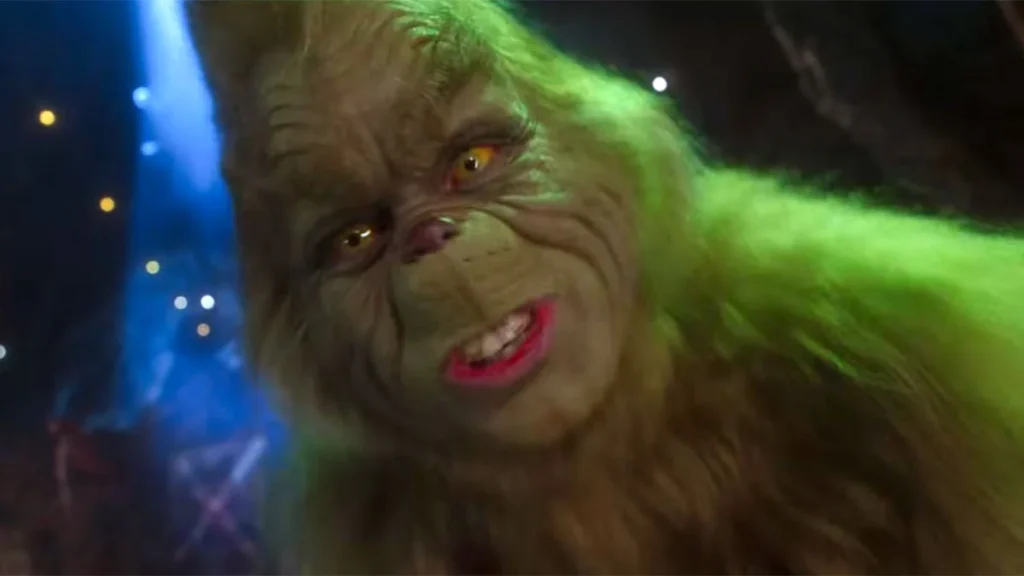

Universal Pictures and Imagine Entertainment are reportedly in active development on a sequel to Ron Howard’s 2000 live-action holiday blockbuster, How the Grinch Stole Christmas, with original star Jim Carrey in discussions to reprise his iconic role as the titular green curmudgeon. The news, initially reported by The Hollywood Reporter, indicates that Ron Howard is also expected to return to the director’s chair for the follow-up, which aims to explore new narrative dimensions within the beloved Dr. Seuss universe. This potential reunion of key creative talents signals a significant new chapter for one of the most commercially successful holiday films of all time, despite Carrey’s previously well-documented challenging experience with the extensive prosthetics required for the role.
A Return to Whoville: The Genesis of a Surprise Sequel
The prospect of a sequel nearly a quarter-century after the original film’s release has generated considerable buzz, particularly given Jim Carrey’s public statements about the arduous nature of embodying the Grinch. Universal’s decision to pursue a continuation underscores the enduring cultural impact and financial viability of the Dr. Seuss property, especially during the lucrative holiday season. While specific plot details remain under wraps, the announcement confirms that the script is set to be penned by a formidable team of comedic writers: Alec Berg, Jeff Schaffer, and David Mandel. Known for their work on critically acclaimed shows such as Curb Your Enthusiasm, and having previously collaborated on the screenplay for 2003’s The Cat in the Hat, their involvement suggests a potential blend of sophisticated humor and character-driven storytelling for the new Grinch adventure. The move reflects a broader industry trend of revisiting successful franchises, leveraging established intellectual property, and tapping into audience nostalgia for proven box office performers.
The Grinch’s Enduring Legacy: A Chronology of Adaptations
The story of the Grinch has captivated audiences across generations, evolving through various artistic interpretations since its inception.
-
The Original Masterpiece (1957): Dr. Seuss (Theodor Seuss Geisel) first introduced the world to the Grinch in his seminal children’s book, How the Grinch Stole Christmas!. The story, a poignant allegory about the true meaning of Christmas, quickly became a classic, celebrated for its whimsical verse, distinctive illustrations, and timeless message of community over materialism. Geisel’s creation resonated deeply, cementing the Grinch as an anti-hero who ultimately discovers the spirit of the season.
-
The Animated Classic (1966): Nine years later, the Grinch leapt from page to screen in the iconic animated television special, directed by Chuck Jones and narrated by Boris Karloff, who also voiced the Grinch. This special, a collaboration between MGM Animation/Visual Arts and Seuss himself, became an instant holiday staple. Its memorable songs, including "You’re a Mean One, Mr. Grinch," and faithful adaptation of the book’s themes, solidified its place in pop culture history, becoming a perennial favorite broadcast annually around the world. The special’s critical and commercial success demonstrated the immense potential for the Grinch narrative to thrive in different media.
-
Ron Howard’s Live-Action Vision (2000): The year 2000 saw the most ambitious adaptation yet: a live-action feature film directed by Oscar-winning filmmaker Ron Howard and starring comedic powerhouse Jim Carrey. Universal Pictures, in conjunction with Imagine Entertainment, embarked on a massive production, allocating an estimated budget of $123 million. The film was a visual spectacle, recreating Whoville with elaborate sets and employing groundbreaking prosthetic makeup and costume design by Rick Baker and his team to transform Carrey into the Grinch.
The film’s box office performance was remarkable, grossing over $345 million worldwide, making it the sixth-highest-grossing film of 2000 and, for a time, the highest-grossing holiday film of all time. It also garnered an Academy Award for Best Makeup, recognizing the extraordinary efforts to bring Seuss’s fantastical characters to life. However, critical reception was mixed. While many praised Carrey’s energetic and transformative performance, some critics found the film’s darker tone, expanded narrative, and deviations from the original story to be polarizing. Despite this, the film has achieved cult status and remains a popular viewing choice during the holiday season, largely due to Carrey’s unforgettable portrayal.
-
Illumination’s Animated Reimagining (2018): The Grinch returned to animated form in 2018 with a computer-animated film produced by Illumination and Universal Pictures, featuring Benedict Cumberbatch as the voice of the Grinch. This version offered a more family-friendly take on the story, focusing on the Grinch’s motivations and ultimate redemption. While it performed well at the box office, grossing over $526 million worldwide, it generally received modest critical acclaim, often compared unfavorably to the Chuck Jones classic. Its success, however, further affirmed the Grinch’s enduring appeal and commercial viability across different generations and animation styles.
The consistent success of these varied adaptations underscores the timeless resonance of Dr. Seuss’s original message and the universal appeal of the Grinch character, making a sequel to the live-action version a logical, if ambitious, next step for Universal.
The Creative Minds Behind the Whoville Revival
The proposed sequel brings together a seasoned team, each member contributing a unique skill set to the challenging task of expanding a beloved, seemingly self-contained narrative.
-
Ron Howard’s Directorial Vision: Ron Howard’s return as director is a significant factor. With a diverse filmography that includes critically acclaimed dramas like A Beautiful Mind and Apollo 13, as well as blockbusters like The Da Vinci Code, Howard possesses the experience to manage large-scale productions and navigate complex character arcs. His original Grinch film showcased his ability to blend grand spectacle with intimate character moments, even amidst the fantastical setting. His familiarity with the source material and the unique challenges of adapting Dr. Seuss’s world provides a strong foundation for the sequel. Howard’s steady hand could be crucial in crafting a narrative that builds upon the first film without simply rehashing its themes, and in managing the demanding production environment, particularly if Jim Carrey reprises his role.
-
The Writing Team: Berg, Schaffer, and Mandel: The involvement of Alec Berg, Jeff Schaffer, and David Mandel is particularly intriguing. Their collective experience on HBO’s Curb Your Enthusiasm is indicative of their talent for sharp, character-driven comedy, often rooted in social awkwardness and relatable human foibles. This background could suggest a sequel that delves deeper into the Grinch’s post-redemption life in Whoville, exploring new comedic scenarios arising from his integration into a society he once loathed. Their previous collaboration on The Cat in the Hat (2003) also provides a unique perspective. While that film was largely a critical and commercial disappointment, it offered valuable lessons in the difficulties of translating Seuss’s abstract and whimsical worlds into live-action narratives. This experience, though challenging, may inform their approach to the Grinch sequel, perhaps leading to a more nuanced and respectful expansion of the Whoville universe. The trio’s knack for creating intricate, often uncomfortable, yet hilarious situations could bring a fresh, albeit potentially edgier, comedic sensibility to the Grinch’s next chapter.
Jim Carrey’s Evolving Relationship with Hollywood and Iconic Roles
Jim Carrey’s potential return is perhaps the most surprising and pivotal element of this sequel announcement. His performance as the Grinch in 2000 was a tour de force of physical comedy and dramatic intensity, yet it came at a significant personal cost.
-
The "Torture" of the Grinch Makeup: Carrey has been vocal about the extreme discomfort and psychological strain endured during the original film’s production. The application of Rick Baker’s elaborate prosthetics and makeup took up to eight and a half hours daily, involving full-body green fur, facial appliances, and yellow contact lenses. Carrey famously described the experience as "literally torture," recounting how he nearly quit the film due to the claustrophobia and irritation. Production designer K.K. Barrett mentioned that Carrey underwent training from a CIA operative specializing in torture resistance to help him cope with the confinement and discomfort. This arduous process, which included listening to the Bee Gees to alleviate stress, highlights the immense dedication Carrey brought to the role, but also the deep psychological impact it had. His willingness to consider a return suggests either an extraordinary script, a profound shift in his personal outlook, or significant advancements in prosthetic technology that could mitigate the past difficulties.
-
Carrey’s Career Trajectory and Philosophical Approach: Following a string of highly successful comedic roles in the 1990s, Carrey transitioned into more dramatic fare, earning critical acclaim for films like The Truman Show and Eternal Sunshine of the Spotless Mind. In recent years, he has adopted a more selective approach to acting, often expressing a philosophical detachment from the entertainment industry and even hinting at semi-retirement. His recent comments about being open to a sequel for The Mask – another iconic green character – under the condition of a truly "right idea," provides context for his potential Grinch return. This suggests that for Carrey, the motivation is no longer purely financial or career-driven, but rather rooted in artistic challenge, a compelling narrative, or a meaningful message that resonates with his current worldview. A Grinch sequel would need to offer more than just a paycheck; it would likely require a story that justifies his physical and emotional investment.
-
Implications for His Legacy: A return to the Grinch could significantly impact Carrey’s legacy. It would solidify his status as a master of transformation and perhaps redefine his "retirement" as a period of selective engagement with projects that genuinely excite him. It would also offer a chance for him to revisit a character that, despite the personal toll, became one of his most recognizable and beloved portrayals, potentially bringing a more mature, reflective, and perhaps even more nuanced performance to the character of the Grinch.
Broader Implications and Market Outlook
The development of a How the Grinch Stole Christmas sequel carries substantial implications for Universal, the broader holiday film market, and the future of Dr. Seuss adaptations.
-
Financial Prospects and Universal’s Strategy: For Universal Pictures, a Grinch sequel starring Jim Carrey represents a potentially massive financial windfall. The original film’s box office success, coupled with the Grinch’s established brand recognition, provides a strong foundation for a lucrative venture. Beyond ticket sales, the sequel would unlock extensive merchandising opportunities, potential theme park tie-ins, and a guaranteed surge in home entertainment and streaming viewership during the holiday season. In an era where studios prioritize established intellectual property, revisiting a proven holiday classic with its original star is a low-risk, high-reward strategy. It taps into powerful nostalgia, appealing to both original fans and new generations.
-
Challenges of a Sequel and Narrative Justification: The primary challenge for the creative team will be to craft a compelling narrative that justifies a sequel. The original Dr. Seuss story is famously self-contained: the Grinch steals Christmas, learns its true meaning, and returns the presents. The 2000 film expanded upon this, delving into the Grinch’s backstory and his reasons for hating Whoville. A sequel would need to invent new conflicts and character arcs without diluting the original’s powerful message or feeling forced. Potential directions could include the Grinch’s struggles with his newfound place in Whoville, a new threat to the town’s holiday spirit, or perhaps a journey of self-discovery for another character, with the Grinch acting as an unlikely mentor or catalyst. The risk lies in over-extending the narrative and losing the charm and simplicity that made the original so effective.
-
The Competitive Holiday Film Market: The holiday season is a fiercely competitive period for film releases, with studios vying for family audiences. A Grinch sequel would instantly become a major player in this market. Its success could influence other studios to revisit their own holiday classics. However, it also faces the challenge of standing out amidst a constant stream of new Christmas-themed content, requiring exceptional storytelling and execution to truly capture the public’s imagination again.
-
Audience Anticipation and Dr. Seuss Enterprises: The announcement has already sparked considerable anticipation among fans of Carrey and the Grinch. Social media platforms are abuzz with speculation about plot details, potential new characters, and whether the sequel will incorporate more musical numbers. Dr. Seuss Enterprises, the entity responsible for managing Seuss’s legacy, maintains a strict control over adaptations. Their approval indicates confidence in the project’s ability to uphold the integrity of Seuss’s work while expanding its universe. Their careful stewardship ensures that any new Grinch story aligns with the timeless values and unique aesthetic of the original.
Looking Ahead: Production and Release Timeline (Inferred)
Given that Jim Carrey is currently "in talks," the project is likely in its early stages of development. The next steps would involve finalizing Carrey’s deal, moving forward with script development and refinement by Berg, Schaffer, and Mandel, and then entering pre-production. Considering the extensive prosthetic work required for Carrey’s character, pre-production would be a lengthy process involving design, sculpting, and testing. Filming would likely be scheduled to avoid the actual holiday season, perhaps aiming for a late 2025 or 2026 release to coincide with a future Christmas. The success of this sequel could very well pave the way for further live-action adaptations of other beloved Dr. Seuss stories, further cementing his enduring legacy in cinematic history.