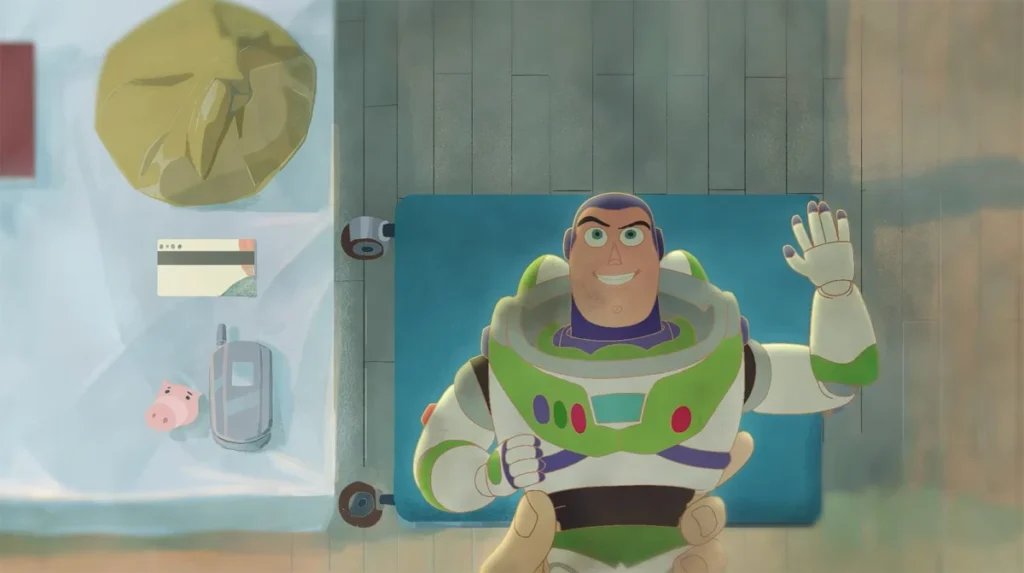

Shanghai, China – June 15, 2026 – In anticipation of the highly awaited theatrical release of Pixar Animation Studios’ Toy Story 5 this summer, a specially commissioned short film has premiered online, offering a charming and insightful glimpse into the enduring legacy of the beloved toy franchise. Titled Toy Story 5: Zhuazhou, the three-minute animated short was developed by the renowned Shanghai Animation Film Studio, underscoring a significant international collaboration to celebrate the upcoming installment of the iconic series.
The production of Toy Story 5: Zhuazhou serves as a strategic outreach initiative by Disney to engage the vast Chinese market, a critical territory for global film distribution. By partnering with a storied Chinese animation house, Disney not only demonstrates a commitment to cultural integration but also leverages local expertise to craft a narrative that resonates with audiences worldwide. The choice to produce a "silent" short, devoid of dialogue, further facilitates its universal appeal, bypassing potential translation barriers and allowing the visual storytelling to take center stage.
A Tale of Timeless Toys in a Technological Age
Toy Story 5: Zhuazhou centers on a special Buzz Lightyear toy, a narrative device that allows the short film to explore the theme of generational handover and the enduring relevance of classic toys in an increasingly digitized world. The plot subtly introduces the core conflict of Toy Story 5, where the familiar cast of characters, including Woody, Buzz Lightyear, and Jessie, are confronted with the pervasive influence of modern technology on childhood play.
The short’s narrative arc highlights the introduction of sophisticated electronic devices that captivate the attention of young children, presenting a challenge to the traditional toys that have long been their companions. This thematic exploration directly mirrors the central premise of the upcoming feature film, which has been teased as a confrontation between old-school playthings and the allure of new-age gadgets.
The antagonist in this technological paradigm shift is revealed to be "Lilypad," a smart tablet with a distinctive frog-shaped design. This character, previously introduced in the film’s teaser trailer, is voiced by Greta Lee. Lilypad represents the cutting edge of interactive entertainment, designed to capture and hold the attention of children in ways that traditional toys may struggle to match. The short film, through its visual storytelling, effectively communicates the potential displacement of beloved characters like Woody and Buzz in the face of such advanced technology.

Key Cast and Creative Team Behind Toy Story 5
The return of the original voice cast for Toy Story 5 has been a significant point of excitement for fans. Tom Hanks reprises his iconic role as Woody, the ever-loyal cowboy whose journey has been central to the franchise since its inception in 1995. Tim Allen returns as the courageous and optimistic Buzz Lightyear, the space ranger whose initial skepticism of the toy world evolved into deep friendship and loyalty. Joan Cusack continues her spirited portrayal of Jessie, the spirited cowgirl who brought her own unique brand of energy to the ensemble in Toy Story 2.
Adding to the directorial talent, Andrew Stanton helms Toy Story 5. Stanton is a veteran filmmaker with a distinguished history at Pixar, having directed acclaimed films such as A Bug’s Life, Finding Nemo, WALL-E, and Finding Dory. While he has been instrumental in shaping Pixar’s narrative landscape, this marks his directorial debut within the Toy Story franchise, a testament to the series’ enduring appeal and the creative opportunities it presents.
The ensemble cast is further bolstered by the return of Tony Hale as Forky, the reluctant utensil-turned-toy who was a central figure in Toy Story 4. Bonnie, the young owner of the toys, also returns, ensuring continuity with the previous film and providing a familiar anchor for the new narrative. The inclusion of Conan O’Brien as the voice of "Smarty Pants," a toilet-training tech toy, introduces a new comedic element and further emphasizes the film’s exploration of evolving childhood toys.
The production of Toy Story 5 is a testament to Pixar Animation Studios’ enduring commitment to storytelling. Lindsey Collins, known for her work on Turning Red and WALL-E, serves as producer, overseeing the creative and logistical aspects of the film. The screenplay, penned by Andrew Stanton himself, promises a narrative that is both thought-provoking and emotionally resonant, a hallmark of the Toy Story series.
A Strategic Release and Franchise Evolution
The strategic decision to release Toy Story 5 on June 19, 2026, places it firmly within the summer blockbuster season, a period typically marked by high audience turnout for family-friendly entertainment. This timing is crucial for maximizing the film’s box office potential, particularly in a global market that eagerly anticipates new offerings from Pixar.

The Toy Story franchise has consistently pushed the boundaries of animation and storytelling since its groundbreaking debut in 1995. The first film revolutionized computer-generated imagery in cinema, earning critical acclaim and a significant cultural impact. Subsequent installments have built upon this foundation, exploring themes of friendship, identity, purpose, and the evolving nature of childhood. Toy Story 5 appears poised to continue this tradition, addressing contemporary issues through the lens of beloved characters.
The introduction of Lilypad and the focus on technology in Toy Story 5 suggest a narrative that is not only about the enduring value of traditional toys but also about how these classic characters adapt to and engage with the modern world. This thematic resonance is likely to appeal to both long-time fans who grew up with Woody and Buzz and a new generation of viewers encountering these characters for the first time.
Background and Context: The Legacy of Toy Story
The Toy Story franchise has been a cornerstone of Pixar Animation Studios and Walt Disney Pictures for over two decades. The original Toy Story, released in 1995, was a groundbreaking achievement, marking the first feature-length film entirely animated using computer-generated imagery. Its success paved the way for a new era of animation and established Pixar as a powerhouse of creative storytelling.
- 1995: Toy Story revolutionizes animation and introduces Woody and Buzz to the world, exploring themes of jealousy, friendship, and belonging.
- 1999: Toy Story 2 expands the universe, delving deeper into the history of toys and introducing Jessie and Bullseye. It tackles themes of legacy and the fear of being forgotten.
- 2010: Toy Story 3 provides a seemingly conclusive chapter, as Woody and the gang face their owner Andy leaving for college. The film explores themes of growing up, letting go, and finding new purpose.
- 2019: Toy Story 4 introduces Forky and explores the concept of "trash" toys finding their purpose, while also delving into Woody’s internal conflict about his role in Bonnie’s life.
The decision to produce a fifth installment after Toy Story 4, which many considered a fitting conclusion, signals a renewed interest in exploring the characters’ ongoing adventures. The thematic focus on technology in Toy Story 5 is a natural progression, reflecting the societal shifts that have occurred since the franchise’s inception. The integration of Lilypad as a central antagonist suggests a narrative that will engage with the complexities of digital immersion and its impact on human connection and imaginative play.
Supporting Data and Market Relevance
The global toy market is a multi-billion dollar industry, with digital and electronic toys representing a significant and growing segment. According to market research firms, the global smart toys and games market is projected to reach tens of billions of dollars in the coming years, driven by advancements in AI, augmented reality, and connectivity. Pixar’s decision to address this trend directly within the Toy Story narrative is a commercially astute move, acknowledging the evolving landscape of childhood entertainment.

Furthermore, China represents one of the largest and most lucrative film markets in the world. In 2025, China’s box office revenue is projected to surpass that of North America, making it an indispensable territory for global film releases. The investment in a localized short film produced by a respected Chinese studio is a clear indication of Disney’s commitment to capturing a significant share of this market for Toy Story 5. The success of animated films in China, particularly those with strong cultural relevance or universal themes, further supports the strategic importance of this outreach.
Analysis of Implications
The creation of Toy Story 5: Zhuazhou by the Shanghai Animation Film Studio carries several implications:
- Cross-Cultural Collaboration: It highlights a growing trend of international co-productions in the animation industry, fostering artistic exchange and mutual understanding. This collaboration can lead to richer storytelling and broader audience appeal.
- Market Sensitivity: Disney’s targeted approach in China demonstrates an understanding of the nuances of local markets and the importance of culturally resonant content. The silent short format is a clever way to ensure broad accessibility.
- Franchise Longevity: By directly addressing contemporary themes like technology, Pixar is ensuring that the Toy Story franchise remains relevant to new generations while still appealing to its established fanbase. This strategic evolution is key to maintaining the enduring appeal of beloved characters.
- Technological Integration in Storytelling: The film’s premise reflects a broader societal conversation about the role of technology in children’s lives. By weaving this into the narrative, Toy Story 5 has the potential to spark discussions about the balance between digital engagement and traditional forms of play.
The release of Toy Story 5: Zhuazhou is more than just a promotional tool; it is a statement of intent from Pixar and Disney, signaling a commitment to global storytelling and an understanding of the evolving landscape of childhood and entertainment. As audiences eagerly await the full cinematic experience, this charming short film offers a compelling preview of the challenges and triumphs that await Woody, Buzz, and their friends in Toy Story 5. The question of how these beloved toys will navigate the digital frontier, and whether they can maintain their cherished place in a child’s heart, remains at the core of this highly anticipated release.
Conclusion
The premiere of Toy Story 5: Zhuazhou marks a significant moment in the lead-up to the summer blockbuster season. This collaboration between Disney and the Shanghai Animation Film Studio underscores the global reach and cultural impact of the Toy Story franchise. By exploring the timeless theme of a toy’s purpose in the face of evolving technology, the short film not only entertains but also primes audiences for the deeper narrative explorations promised in the feature film. With a star-studded voice cast, a visionary director at the helm, and a strategic release plan, Toy Story 5 is poised to continue the legacy of one of cinema’s most cherished animated sagas, inviting audiences worldwide to prepare for a new adventure where the spirit of play is tested, but ultimately, prevails.