
The Chinese entertainment industry is currently witnessing a significant shift in public sentiment regarding one of its most prominent young stars, Shen Yue. Known for her "girl-next-door" image and her roles in several high-profile romantic dramas, the actress has found herself at the center of a localized media firestorm. Within the span of just seven days, Shen Yue has faced a triple-threat of public relations challenges: allegations of intellectual property infringement, criticism over her conduct on variety programming, and the lingering fallout from a high-profile misunderstanding involving a former co-star. This rapid succession of controversies has sparked intense debate on Chinese social media platforms like Weibo and Douban, raising questions about the sustainability of her public image and the intense scrutiny faced by "Post-95" generation starlets in the modern digital age.
The Rise of a C-Drama Sweetheart
To understand the weight of the current controversies, it is essential to contextualize Shen Yue’s standing in the industry. Born in 1997, Shen Yue’s rise to fame was characterized by a rapid ascent that many in the industry viewed as a "Cinderella story." She initially gained widespread recognition for her role as Chen Xiaoxi in the 2017 hit series A Love So Beautiful, a performance that resonated with audiences due to its relatability and youthful charm.
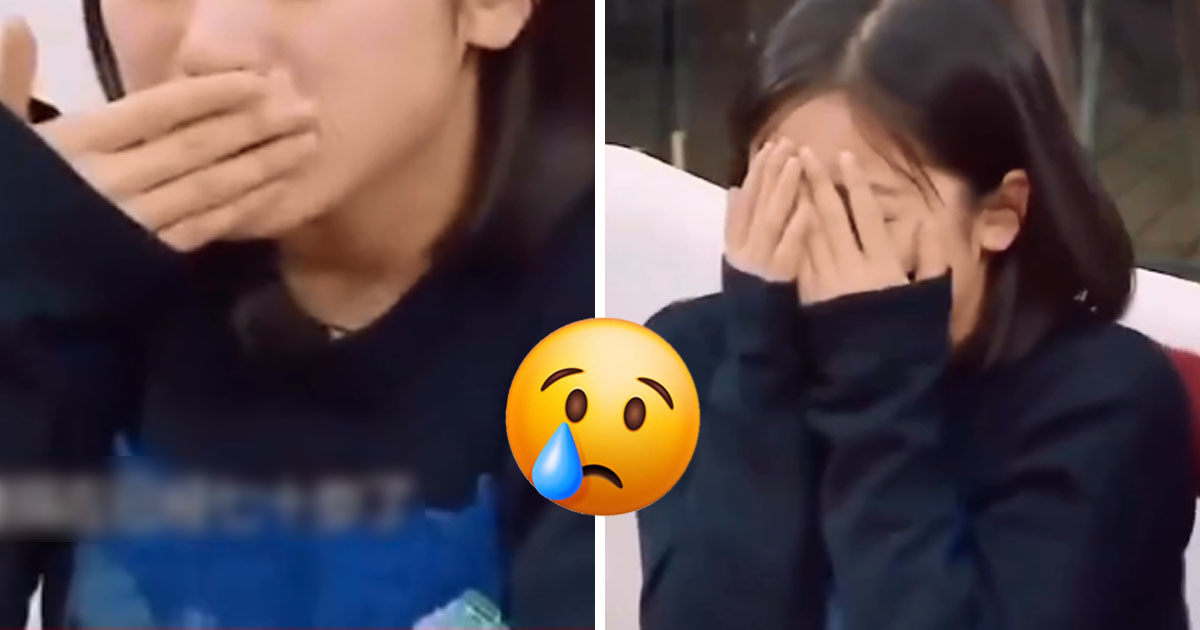
Her trajectory reached a peak in 2018 when she was cast as Dong Shancai in the remake of Meteor Garden, a role previously held by iconic actresses in various regional adaptations. This role catapulted her to international fame, particularly across Southeast Asia and the West, where the series was distributed via Netflix. Following this, she maintained her visibility through lead roles in Count Your Lucky Stars (2020), starring alongside veteran actor Jerry Yan, and the fantasy-romance Mr. Bad (2022). Throughout these projects, Shen Yue cultivated a brand built on sincerity, vulnerability, and a lack of the traditional "idol" pretension. However, it is this very brand that is now being tested by the recent string of negative press.
Allegations of Plagiarism and the Fan Response
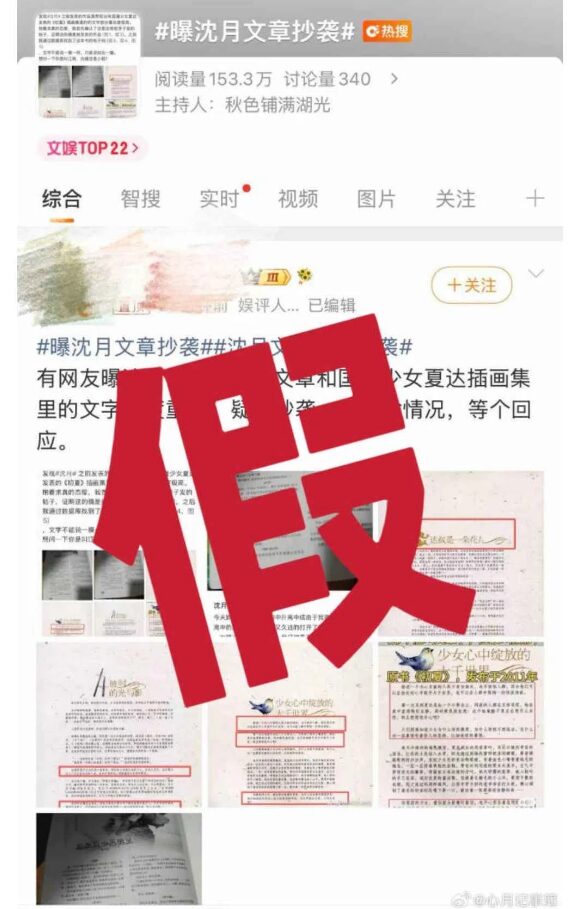
The most legally and ethically complex issue of the week involves allegations of plagiarism. The controversy began when an article attributed to Shen Yue—or at least closely linked to her promotional activities—was flagged by netizens for its striking similarities to Chu Xia (Early Summer). Chu Xia is a well-regarded illustration and essay collection by Xia Da, one of China’s most celebrated and influential manhua artists. Xia Da is known for her intricate art style and poetic prose, making any unauthorized imitation a serious offense in the eyes of the literary and artistic community.
As screenshots comparing the two pieces of writing circulated online, critics pointed out that the thematic structure and specific phrasing in the article linked to Shen Yue mirrored Xia Da’s work too closely to be considered coincidental. In the high-stakes environment of Chinese celebrity culture, plagiarism is a "red line" that can lead to long-term career damage.

In response to the mounting pressure, Shen Yue’s official fan organization, Xinyue Jishibu, issued a formal clarification. The organization asserted that the actress had not authored the article in question and had never personally published it on any of her official channels. This defense suggests that the content may have been generated by a third-party marketing team or a fan-led initiative that was incorrectly attributed to the actress. While the denial provided some reprieve, it also highlighted the risks associated with celebrity branding, where the line between a star’s personal voice and their professional marketing output often becomes blurred.
The Resurfaced Variety Show Controversy
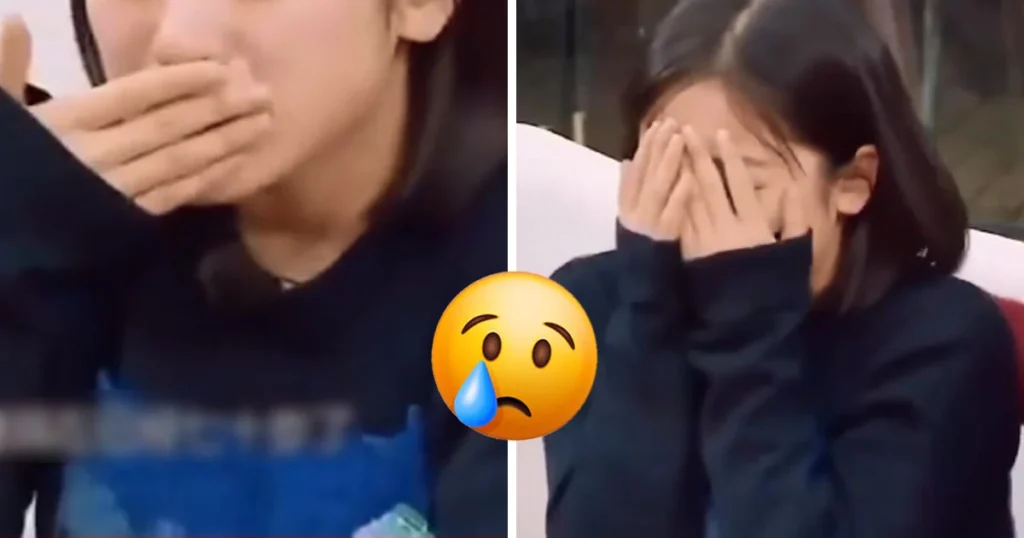
Simultaneous with the plagiarism claims, Shen Yue faced a second wave of criticism following the resurfacing of a video clip from a past variety show appearance. In the footage, the actress is seen becoming visibly emotional while discussing the personal sacrifices she has made for her career. Specifically, she lamented that her grueling filming schedule had prevented her from spending adequate time with her grandmother.
While such moments are common in the "humanizing" format of reality television, the reaction from the public in 2026 has been markedly different from the initial broadcast. Many viewers labeled the display as "performative" or "out of touch." The criticism stems from a broader societal shift in how celebrity "complaining" is perceived. In an era of economic volatility, audiences are often less sympathetic to the emotional struggles of high-earning celebrities, particularly when those struggles involve the standard trade-offs of a lucrative career.
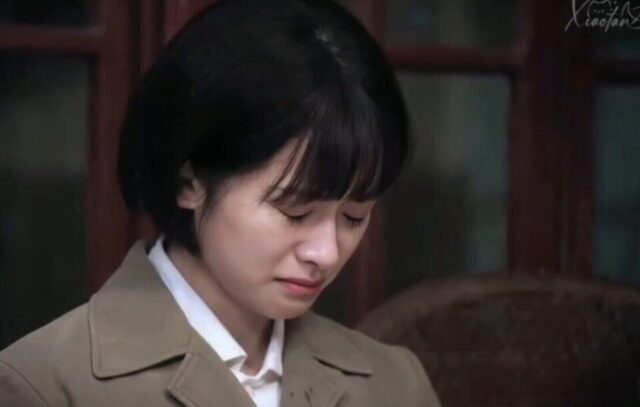
Detractors on social media argued that Shen Yue was "selling misery" to garner sympathy from her fanbase. Comments characterized her emotional breakdown as a strategic move to maintain her "innocent" persona, rather than a genuine expression of grief or regret. This incident underscores the precarious nature of "Internet memory," where old content can be recontextualized by new cultural moods, often to the detriment of the individual involved.
The Lingering Shadow of ‘The Inn’ and Dylan Wang
The third component of Shen Yue’s difficult week is rooted in the aftermath of the reality program The Inn. The show, which features celebrities running a guesthouse, was intended to showcase the camaraderie and work ethic of its cast. However, the finale of the program became a source of significant friction.
During the awards segment of the finale, most cast members were honored with titles that highlighted their contributions or positive traits. In contrast, Shen Yue’s Meteor Garden co-star, Dylan Wang, was presented with a "joke award" that utilized Mandarin wordplay. While intended as a lighthearted jest by the producers, the award was perceived by many—including Wang himself—as mocking and disrespectful. Wang later addressed the incident on social media, expressing his discomfort with the situation.

The controversy eventually shifted toward Shen Yue, as fans and observers analyzed her role in the segment. Given their long-standing professional relationship and "CP" (Couple) branding, many expected her to defend him or distance herself from the joke. Instead, her association with the program’s production choices led to a backlash. The intensity of the criticism eventually forced Shen Yue to issue a public apology to clarify her stance and mitigate the damage to her reputation. The fact that this older controversy has been revived alongside new issues suggests a "snowball effect," where multiple minor grievances coalesce into a narrative of systemic character flaws.
Analysis of the Broader Implications
The "triple controversy" facing Shen Yue provides a case study in the volatility of modern stardom. For an actress whose career has been built on a foundation of likability, these incidents represent a significant threat to her "commercial value"—a metric used by brands and production houses to determine a star’s viability for endorsements and lead roles.
Several factors contribute to the intensity of this week’s events:
- The Saturation of the "Sweetheart" Market: The Chinese entertainment market is currently saturated with young actresses vying for the "sweetheart" niche. When one star falters, the vacuum is quickly filled by others. This creates an environment where even minor controversies are magnified by competing fanbases.
- The Evolution of Public Expectations: Audiences are increasingly demanding transparency and authenticity. The plagiarism allegations, regardless of whether Shen Yue was personally involved, suggest a lack of oversight in her professional camp. Similarly, the "performative" criticism regarding her grandmother indicates that traditional variety show tropes are no longer as effective as they once were.
- The "Guilt by Association" Phenomenon: The Dylan Wang incident illustrates how celebrities are often held accountable for the actions of the productions they participate in. In the age of social media, silence is often interpreted as complicity, forcing stars to navigate complex interpersonal and professional minefields.
Chronology of the Week’s Events
To better understand the rapid development of these stories, a timeline of the week’s events is as follows:
- Day 1: Comparison screenshots between the article linked to Shen Yue and Xia Da’s Chu Xia begin trending on entertainment forums.
- Day 2: Xinyue Jishibu issues a formal denial regarding the plagiarism claims, asserting that Shen Yue did not write the piece.
- Day 3: A clip of Shen Yue crying about her grandmother on a variety show is reposted by a high-traffic "yoshu" (entertainment news) account, garnering millions of views and thousands of critical comments.
- Day 4: Discussions regarding the Dylan Wang award controversy from The Inn resurface, with netizens drawing parallels between that incident and her current PR struggles.
- Day 5: Shen Yue’s previous public apology regarding The Inn is re-analyzed by media commentators, questioning the sincerity of her past statements.
- Day 6: Industry insiders report that several potential brand collaborations for the actress are "on hold" pending the resolution of the public’s negative sentiment.
- Day 7: The actress maintains a low profile on social media as her management team works to pivot the narrative back toward her upcoming acting projects.
Conclusion and Future Outlook
As of mid-June 2026, Shen Yue remains one of the most talked-about figures in Chinese entertainment, though the nature of that conversation has shifted from her acting merits to her personal and professional conduct. The "perfect storm" of controversies she encountered this week serves as a reminder of the fragility of celebrity status in the digital era.
For Shen Yue to move past this period, industry analysts suggest a shift in strategy. Moving away from variety-heavy promotions and focusing on "prestige" acting roles may help her rebuild a more resilient image that is less dependent on the whims of social media sentiment. Furthermore, a more robust approach to content management will be necessary to prevent future allegations of intellectual property issues. Whether this week will be remembered as a minor hurdle or a turning point in her career remains to be seen, but the lessons learned will undoubtedly influence how young stars in China manage their public personas moving forward.