
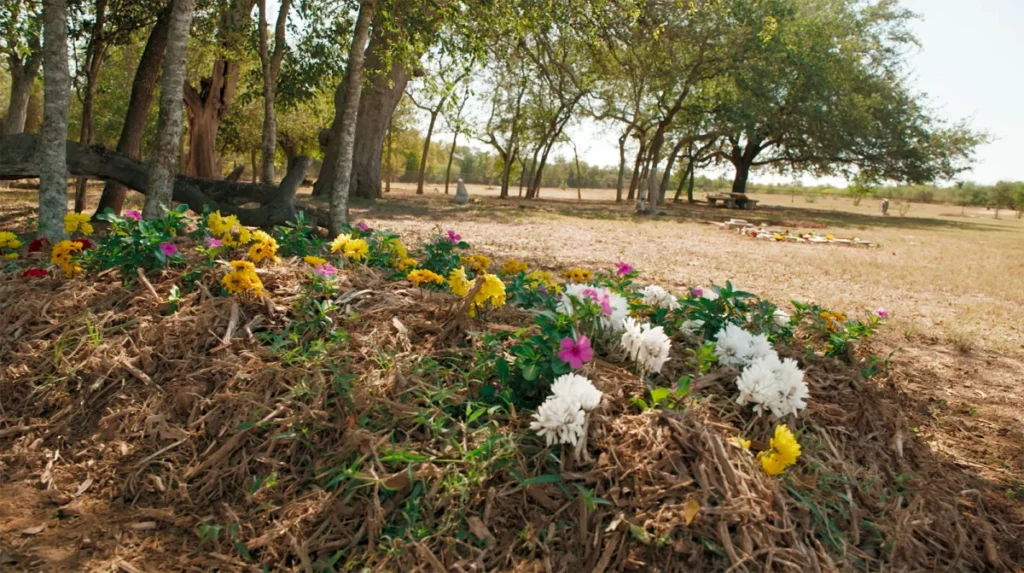

The first official trailer for the documentary film Death Boom, directed by Jessica Chandler, has been released by QC Ent., offering a stark and timely examination of the challenges confronting the American deathcare industry. Set to premiere at the 2026 Tribeca Film Festival this month, the film confronts a demographic tidal wave: the impending mass passing of approximately 77 million Baby Boomers. This unprecedented demographic shift presents significant environmental, mental health, and logistical hurdles for a sector often shrouded in taboo.
A Demographic Tsunami and an Industry Under Pressure
The Baby Boomer generation, born between 1946 and 1964, represents a significant portion of the American population. As this cohort enters its twilight years, the sheer volume of deaths is poised to place an extraordinary strain on existing deathcare infrastructure. Death Boom aims to illuminate this unfolding crisis, moving beyond the conventional, often costly, and environmentally impactful methods of disposition, such as embalming, cremation, and traditional burial.
The documentary promises to expose the detrimental environmental consequences associated with current practices. Embalming fluids, often containing formaldehyde, can leach into groundwater. Cremation, while seemingly a more direct approach, releases significant amounts of carbon dioxide and other greenhouse gases into the atmosphere. Traditional burial, requiring vast tracts of land and the use of non-biodegradable caskets and vaults, further exacerbates environmental concerns.
Beyond the ecological footprint, Death Boom delves into the mental health toll on deathcare workers, who are on the front lines of this demographic surge. The emotional burden of managing an increased volume of deceased individuals, coupled with the often-unseen complexities of the industry, is a critical aspect the film intends to highlight. The trailer’s poignant opening line, "We can’t just keep putting people into the ground," encapsulates the film’s central thesis: the need for a societal reevaluation of how we approach death and dying.

Tribeca Film Festival Premiere and Industry Innovation
The selection of Death Boom for the 2026 Tribeca Film Festival underscores the film’s perceived relevance and potential to spark dialogue. According to Tribeca’s official description, the festival notes, "Eighty years ago, the ‘Baby Boom’ led to a massive uptick in births. Now, we’re seeing the inevitable end of that surge as those tens of millions of people pass away. This fascinating doc explores the dilemma now facing the funeral industry and the many inventive solutions being pioneered." This suggests that the film not only identifies a crisis but also showcases potential avenues for innovation and adaptation within the deathcare sector.
The documentary is expected to explore a range of "inventive solutions," likely encompassing greener burial practices, natural decomposition methods, and perhaps even novel approaches to memorialization. The film’s exploration of these alternatives speaks to a growing movement towards more sustainable and ecologically conscious end-of-life choices. This movement is gaining traction as public awareness of environmental issues increases, and individuals seek to align their final decisions with their values.
Prominent Figures Behind the Documentary
The involvement of high-profile individuals like Eli Roth and Leonardo DiCaprio as producers lends significant weight and visibility to Death Boom. Eli Roth, known for his work in the horror genre, brings a unique perspective to exploring macabre and often unsettling topics. Leonardo DiCaprio’s long-standing commitment to environmental advocacy suggests a deep-seated interest in the film’s ecological themes. Their participation indicates a belief in the importance of the film’s message and its potential to reach a broad audience.
Jessica Chandler, directing her first feature film, is positioned to make a significant impact with Death Boom. The documentary’s subject matter, coupled with its high-profile producers and festival premiere, signals a promising debut for the indie filmmaker.

The Business of Dying and the Rise of "Green" Alternatives
Death Boom also addresses the commercial aspects of the deathcare industry, examining how it generates revenue from the grieving process. The film appears to critique the potential for profit-driven practices to overshadow ethical and sustainable considerations. The trailer suggests that the industry has found ways to capitalize on the inevitable, raising questions about the balance between essential services and commercial enterprise.
The growing interest in environmentally friendly death care, often referred to as "green burial" or "natural burial," is a key theme. These methods typically involve the body being placed in a biodegradable shroud or casket, without embalming, and buried in a natural setting that allows for decomposition. Proponents of green burial highlight its significantly reduced environmental impact compared to conventional methods. Data from the Green Burial Council, an organization that certifies green burial providers and products, indicates a steady increase in consumer interest over the past decade. While specific nationwide adoption rates are difficult to quantify, the proliferation of natural burial grounds and the increasing availability of green funeral products are clear indicators of this trend.
The film’s exploration of these emerging solutions may also touch upon policy and regulatory hurdles. The legalization and accessibility of greener methods are not uniform across all states and municipalities, presenting a complex landscape for both consumers and providers. Death Boom could shed light on the political, religious, and corporate interests that may oppose or impede the widespread adoption of more sustainable deathcare practices.
Broader Implications and Societal Impact
The impending demographic shift and the issues raised by Death Boom have far-reaching implications for American society. Beyond the logistical challenges for the deathcare industry, the film prompts a necessary conversation about our collective relationship with mortality. In many Western cultures, death is often a subject avoided or relegated to private grief, hindering open discussion and preparation.

Death Boom aims to normalize conversations around death and grief by presenting the realities of the industry and the potential for more conscious and sustainable end-of-life choices. By doing so, the film could empower individuals to make more informed decisions about their own final arrangements and encourage a more thoughtful approach to memorialization.
The film’s focus on the environmental impact of deathcare also aligns with broader societal efforts to address climate change and promote sustainability. As awareness of our ecological footprint grows, it is natural that individuals will seek to extend their commitment to environmental consciousness beyond their lifetimes.
The documentary’s premiere at Tribeca in June 2026 marks the beginning of its journey to audiences. While no further release dates have been announced, the trailer’s release and the festival selection signal a significant upcoming cultural event. The film’s ability to engage viewers on such a fundamental and often uncomfortable topic will be a key measure of its success. The question posed at the end of the original announcement, "Who wants to watch?", is a direct invitation for audiences to confront a reality that will inevitably touch everyone. Death Boom appears poised to be a catalyst for that confrontation, offering a blend of stark reality, environmental urgency, and a hopeful glimpse into innovative solutions for the future of how we say goodbye. The confluence of a massive demographic event and a growing awareness of environmental responsibility makes Death Boom a documentary of critical importance, promising to provoke thought and potentially reshape how we navigate the final chapter of life.

