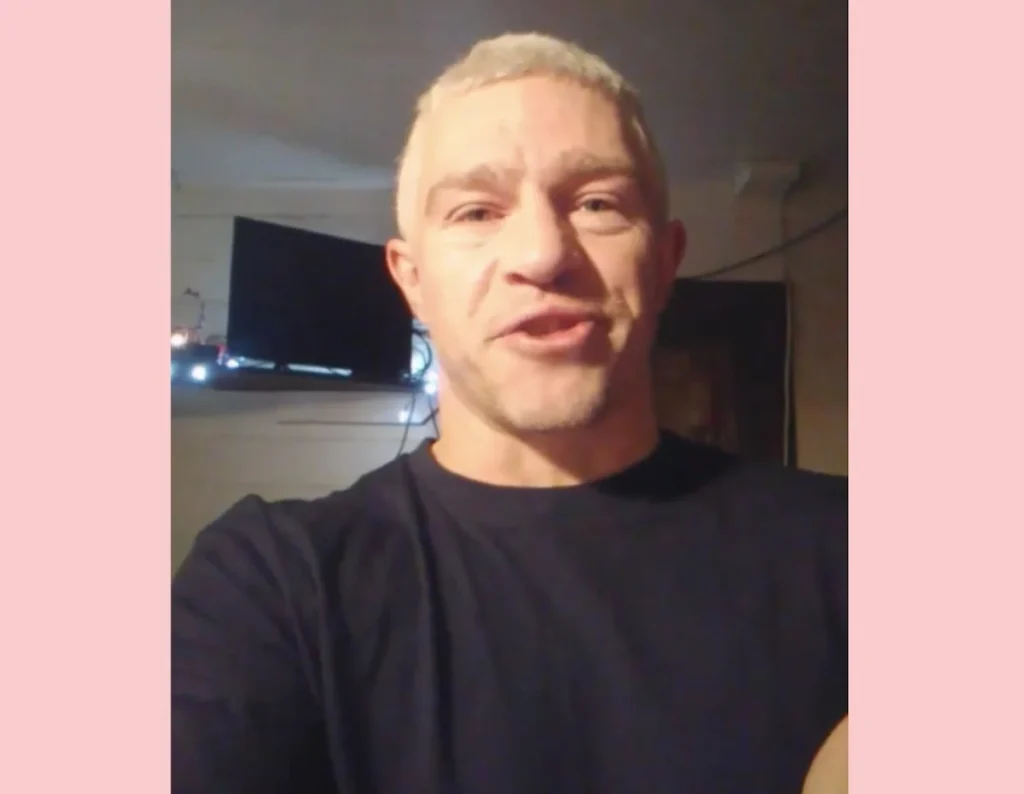

New details are emerging about the difficult period Matt Brown was reportedly experiencing before his tragic death, shedding light on the confluence of personal struggles that culminated in the former Alaskan Bush People star’s passing. Brown, 42, whose body was recovered from the Okanogan River in Washington state last month, died by suicide, a conclusion now supported by those closest to him and the available evidence. The revelation has deepened the sorrow among fans and family alike, prompting a closer look at the pressures and private battles faced by a public figure.
The news of Brown’s death sent shockwaves through the fan base of the long-running Discovery Channel reality series. For years, viewers had followed the unconventional lives of the Brown family, known for their unique bush lifestyle in Alaska and later in Washington. Matt Brown, the eldest of the seven Brown siblings, was a prominent and often charismatic figure on the show from its inception in 2014 until his departure in 2019. His life, extensively documented for television, often presented a facade of rugged resilience, yet beneath the surface, he grappled with significant personal demons, including widely publicized battles with addiction.
The Unraveling: A Deeper Look into Personal Struggles
According to Chay Moore, a longtime Brown family friend and owner of Stardog Champion K9, Matt Brown was contending with a series of overwhelming challenges simultaneously in the weeks leading up to his death. Moore, who played an integral role in the extensive search effort that ultimately led to the recovery of Brown’s body, described a man under immense emotional strain. Speaking to Page Six, Moore recounted an encounter with Brown less than three weeks before his death, observing firsthand the profound sense of being overwhelmed that had consumed the former reality TV personality.
Moore detailed several specific stressors that compounded Brown’s mental state. A seemingly minor but deeply frustrating issue involved his pickup truck. "He couldn’t get his pickup truck running, and that was part of his frustration on that day was the truck’s not going to get running — he can’t go on his trip," Moore explained. While a vehicle malfunction might appear trivial in isolation, Moore emphasized that it was merely one piece of a much larger and heavier emotional burden that Matt was carrying. This practical setback likely symbolized a loss of independence and control, particularly for someone accustomed to a self-sufficient lifestyle.
Further exacerbating his distress was a recent romantic breakup. "[Matt] broke up with his girlfriend [too]. All of these things hit him at the same time on that day," Moore revealed. The girlfriend was identified as Jamie, with whom Brown had been in a relationship. Although Moore could not pinpoint the exact timing of the relationship’s conclusion, he underscored its significance as a major source of pain and concern for Brown, contributing significantly to his emotional fragility. The end of a relationship, particularly one that provided companionship and emotional support, can be a profound destabilizer, leaving individuals feeling isolated and vulnerable.
Compounding these emotional and practical difficulties were significant logistical struggles impacting Brown’s daily life. Moore elaborated on how transportation had become a critical and ongoing challenge, especially after the truck problems rendered his primary mode of transport unusable. "He had been walking and riding buses and, you know, from town to town to, to survive. He was using buses and stuff," Moore stated. This depiction paints a stark picture of someone struggling with fundamental aspects of modern living, stripped of personal mobility, and forced into a more arduous existence. For a man who had spent much of his life in the remote Alaskan wilderness, where self-reliance and independence are paramount, such practical constraints could have felt particularly debilitating and humiliating.
A History of Challenges: Matt Brown’s Public and Private Battles
Matt Brown’s struggles with substance abuse were not entirely private. Throughout his tenure on Alaskan Bush People, glimpses of his internal battles occasionally surfaced, leading to his eventual departure from the show in 2019. He had publicly acknowledged seeking treatment for alcohol abuse on at least two occasions, first in 2016 and again in 2018. These periods of sobriety and relapse were often discussed, albeit sometimes vaguely, within the narrative of the reality series, offering fans a window into the complexities of his life beyond the idyllic bush setting. His decision to step away from the show was framed as a necessary step for his recovery and personal well-being, though the transition to a life outside the constant glare of reality television presented its own unique set of challenges.
Life in the "bush" itself, while fostering a unique set of skills and a close-knit family dynamic, also presented an environment of isolation. The move from Alaska to Washington state, necessitated by his mother Ami Brown’s cancer diagnosis, introduced the family to a different way of life, perhaps bringing with it new pressures and temptations, particularly for someone prone to addiction. The inherent demands of reality television—the pressure to perform, to maintain a public persona, and to navigate the complexities of fame—can be incredibly taxing, even for those without pre-existing vulnerabilities. For Matt, these pressures likely amplified his underlying struggles, making sustained recovery an even more formidable task.
The Final Days: A Chronology of Disappearance and Discovery
The timeline surrounding Matt Brown’s disappearance and the subsequent search efforts highlights the urgency and distress experienced by those around him. While the exact date of his disappearance was not publicly disclosed, the recovery of his body in the Okanogan River occurred last month, suggesting a period of intense searching. Chay Moore’s involvement, as a family friend with specialized K9 resources, indicates the seriousness with which his absence was treated.
Crucially, Matt’s former girlfriend, Jamie, played a significant role in spearheading the search efforts. Moore credited her persistence and intuition as vital to the operation. "Matt’s girlfriend was really, really pushing us hard to get it moving and get out there on that water. I think she had a notion of where she thought he was, you know, in her mind, I think. She basically spearheaded the searchers on that river," Moore explained. This detail underscores the depth of her concern and her intimate understanding of Matt, even after their relationship had ended, pointing to the lasting bonds that can persist despite a breakup. Her active participation provides a poignant counterpoint to the personal pain she was reportedly experiencing from the separation. The Okanogan River, a significant waterway in Washington, is known for its strong currents and can present considerable challenges in search and rescue operations, making Jamie’s focused guidance all the more impactful.
Family’s Grief and Public Mourning
The Brown family has been vocal in their grief, navigating the profound loss of their eldest son and brother. Matt’s brother, Bear Brown, has spoken publicly about the tragedy, offering insights into his brother’s final period. Bear confirmed that Matt had been struggling with the aforementioned painful breakup and, critically, with longstanding battles against alcohol and drug use. Initially, Bear expressed disbelief that his brother would intentionally harm himself, a common reaction among loved ones grappling with suicide. However, he later acknowledged that the accumulating evidence regarding Matt’s death now points to a self-inflicted injury. This evolving understanding reflects the painful process of acceptance that families often undergo in such circumstances, where initial shock gives way to a grim reality.
The Brown family, accustomed to sharing their lives with millions, now faces the difficult task of mourning a deeply personal loss under the public gaze. Their unique background, growing up in relative isolation, has meant that their experiences with the modern world and its complexities have often been amplified. The loss of Matt adds another layer of complexity to their public narrative, reminding viewers that behind the television personas are real individuals facing profound human struggles. Fans of Alaskan Bush People have flooded social media with messages of condolences and shared memories, reflecting the deep connection many felt to Matt and the Brown family. The outpouring of grief from the fan community underscores the unique bond forged between reality TV stars and their audience, turning a personal tragedy into a shared moment of sorrow.
The Alaskan Bush People Legacy
Alaskan Bush People debuted on the Discovery Channel in 2014, quickly becoming a hit for its portrayal of the Brown family’s "wolf pack" mentality and their efforts to live off the grid in the Alaskan wilderness. The series documented their triumphs and tribulations, from building homes with scavenged materials to navigating the harsh natural environment. The show’s popularity brought the family unexpected fame and fortune, but also intense scrutiny and the pressures of maintaining a public image. From 2014 through 2019, Matt Brown was a central figure, often portrayed as a skilled hunter and an integral part of the family’s survival efforts.
The show’s premise—a family choosing to live outside conventional society—resonated with many viewers, offering an escape into a different way of life. However, the reality of living under constant surveillance, with production crews, deadlines, and public expectations, often starkly contrasted with the family’s stated desire for isolation and self-sufficiency. The transition from remote wilderness to more accessible locations in Washington, while perhaps offering more creature comforts, also exposed family members to aspects of modern life that could prove challenging, particularly for someone battling addiction. Matt’s departure from the show marked a turning point, signaling his attempts to reclaim a sense of normalcy and focus on his health away from the cameras, a path that ultimately proved tragically difficult.
Broader Implications: Mental Health and Reality Television
Matt Brown’s death serves as a somber reminder of the profound mental health challenges that can affect individuals, particularly those thrust into the public eye through reality television. The genre, while entertaining, often blurs the lines between authentic experience and manufactured drama, placing immense psychological pressure on its participants. The constant exposure, public judgment, and the artificial constructs of reality TV can exacerbate existing vulnerabilities or create new ones, leading to heightened anxiety, depression, and substance abuse.
There is a growing discourse within the entertainment industry and among mental health advocates about the responsibility of production companies and networks to provide adequate psychological support for reality TV stars. The "reality TV curse," a term often used to describe the disproportionate number of tragic outcomes among participants, highlights a systemic issue that warrants serious consideration. While the specific circumstances of Matt Brown’s death are deeply personal and complex, his story underscores the broader need for robust mental health resources and a greater understanding of the psychological toll that fame and public scrutiny can exact. His experience, characterized by a series of compounding setbacks—a broken down vehicle, a painful breakup, and practical struggles with transportation—paints a clear picture of how multiple stressors, when combined with underlying vulnerabilities, can lead to a crisis. It highlights the critical importance of recognizing the signs of distress and ensuring that support systems are in place for those who need them most.
As the Brown family continues to process this awful tragedy, and fans mourn the loss of a unique personality, Matt Brown’s story adds to the urgent conversation about mental health awareness, addiction recovery, and the ethical considerations surrounding reality television production. It serves as a stark reminder that even those who appear resilient on screen can be battling silent, overwhelming struggles in their private lives.
If you or someone you know is contemplating suicide, help is available. Consider contacting the 988 Suicide & Crisis Lifeline at 988, by calling, texting, or chatting, or go to 988lifeline.org.