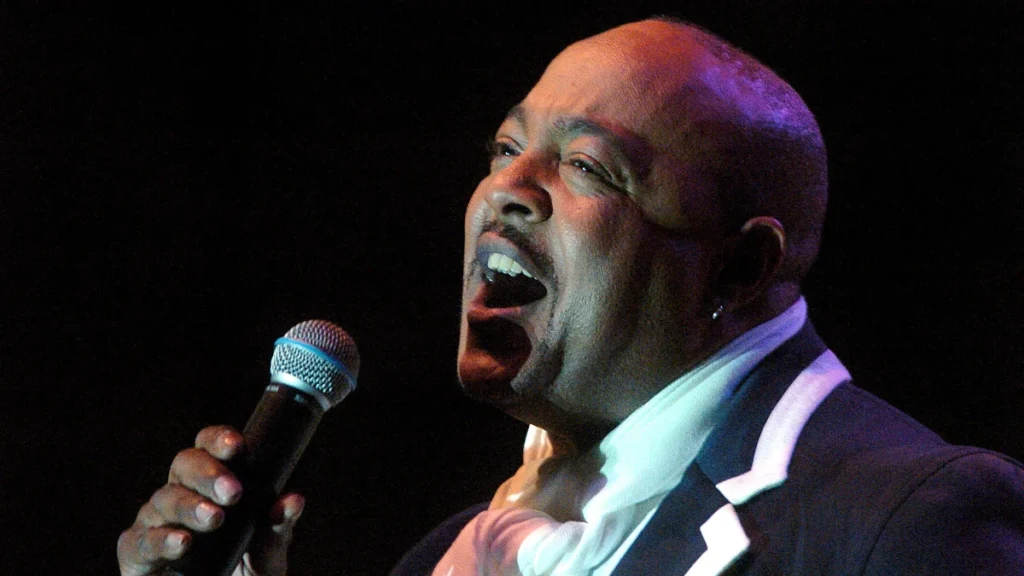

Peabo Bryson, the iconic singer-songwriter whose smooth, powerful vocals graced some of the most beloved romantic ballads and Disney film soundtracks of the late 20th century, has passed away at the age of 75. A two-time Grammy Award winner and an enduring figure in R&B and pop music, Bryson’s death marks the end of an era for many who grew up with his distinctive voice. His family confirmed his peaceful passing on Tuesday, June 2nd, at 5 p.m. ET, following a stroke he had suffered some days prior.
An Enduring Voice Silenced: The Immediate Announcement
The news of Bryson’s death was first conveyed through a statement from his family to TMZ, expressing profound sorrow at the loss of the revered artist. "With broken hearts and profound sadness, the family of two-time Grammy Award-winning singer, songwriter, and balladeer, Peabo Bryson, announces his passing," the statement read. It further noted that Bryson was "surrounded by the love of his family and those closest to him" in his final moments. This initial announcement was later corroborated and expanded upon in a subsequent statement to People magazine, where the family shared their gratitude for the global outpouring of support. "We are tremendously moved by the outpouring of love, prayers, and support from fans, friends, and colleagues around the world. While our hearts are broken, we find comfort in knowing how deeply Peabo was loved and how many lives were touched by his voice and his generous spirit. His legacy and music will live on for generations to come," they affirmed, underscoring the deep impact Bryson had on listeners worldwide. His contributions to the soundtracks of Disney classics like Beauty and the Beast and Aladdin cemented his status as a voice transcending genres and generations, making him a household name far beyond traditional R&B circles.
A Legacy of Lyrical Ballads and Soulful Crooning
Born Robert Peapo Bryson in April 1951, Peabo Bryson cultivated a career spanning over five decades, establishing himself as the quintessential "King of Romantic Duets" and a masterful soul-pop crooner. His vocal style was characterized by its effortless blend of power and tenderness, a rich baritone capable of soaring into a compelling tenor, always imbued with a profound emotional sincerity. He carved a niche in the music industry by excelling in the sophisticated soul and R&B ballad genre, often collaborating with other legendary female vocalists to create timeless duets that became synonymous with romance and enduring love. Bryson’s ability to bridge the gap between rhythm and blues, pop, and even classical influences made him a unique force, appealing to a broad demographic and solidifying his cross-genre appeal long before it became a common industry trend. His discography of 20 albums is a testament to his consistent artistic output and evolving sound while remaining true to his core identity as a balladeer.
Chronology of a Storied Career: From the Chitlin’ Circuit to Global Stardom
Peabo Bryson’s journey in music began far from the glittering stages of Grammy ceremonies and Disney premieres, rooted instead in the vibrant, yet often overlooked, Black entertainment circuit.
Early Life and Genesis of a Star (Late 1960s – Mid 1970s):
Hailing from Greenville, South Carolina, Bryson’s musical inclinations surfaced early. He began performing professionally in his late teens, gaining invaluable experience on the famed Chitlin’ Circuit. This network of venues, predominantly in the Southern and Eastern United States, provided a crucial platform for Black artists during the era of segregation and beyond, allowing them to hone their craft before wider mainstream recognition. It was here that Bryson developed his stage presence, vocal prowess, and an understanding of connecting with an audience. His early professional engagements included stints with various local bands, most notably as a vocalist for Al Freeman & The Upsetters and later with Moses Dillard and Tex-Town Display. These formative years were critical in shaping his soulful delivery and establishing his versatility as a performer. His first solo recordings emerged in the early 1970s, hinting at the star he was destined to become.
Ascension to R&B Stardom (Late 1970s – Early 1980s):
The late 1970s marked Bryson’s breakthrough as a solo artist. His debut album, Reaching for the Sky (1977), and its follow-up, Crosswinds (1978), quickly garnered attention, particularly for singles like "I’m So into You" and the album’s title track "Reaching for the Sky." These tracks showcased his burgeoning talent for crafting smooth, romantic R&B. "I’m So into You" became a significant hit, reaching No. 2 on the Billboard Hot Soul Singles chart and No. 16 on the Billboard Hot 100, establishing him as a formidable presence in the R&B landscape.
The 1980s further cemented his reputation, particularly through his masterful collaborations. His duets became a hallmark of his career, beginning with memorable pairings like "Gimme Some Time" with Natalie Cole in 1980. However, it was his 1983 collaboration with Roberta Flack on "Tonight, I Celebrate My Love" that truly elevated his profile. This song became an instant classic, reaching No. 16 on the Billboard Hot 100 and No. 4 on the R&B chart, becoming a staple on adult contemporary radio. Its success demonstrated Bryson’s unique ability to create vocal chemistry, turning a song into an intimate conversation. This was followed by another significant solo hit, "If Ever You’re in My Arms Again" in 1984, which soared to No. 10 on the Billboard Hot 100, marking his highest-charting solo single on the pop charts. These successes firmly positioned Peabo Bryson as a leading voice in romantic soul and pop, earning him widespread critical acclaim and a dedicated fanbase.
The Disney Era and Global Acclaim (Late 1980s – Mid 1990s):
While Bryson had already achieved considerable success, it was his contributions to Disney animated films that introduced his voice to a new, global audience and brought him his most significant accolades. In 1992, he teamed up with Canadian superstar Celine Dion for the title track of Disney’s animated masterpiece, Beauty and the Beast. The song, a powerful and tender ballad, became an international phenomenon, embodying the magical essence of the film. It not only topped charts worldwide but also earned Bryson and Dion a Grammy Award for Best Pop Performance by a Duo or Group with Vocal in 1993. The song’s enduring popularity ensured its place as a classic, forever linking Bryson’s voice with the enchantment of Disney.
The following year, Bryson repeated this success, joining forces with Regina Belle for "A Whole New World (Aladdin’s Theme)" from the 1992 film Aladdin. This vibrant, soaring duet captured the adventurous spirit of the movie and became another monumental hit. It secured Bryson his second consecutive Grammy Award in the same category in 1994, and more significantly, it won the Academy Award for Best Original Song. These two Disney duets were not just commercial triumphs; they were cultural touchstones that solidified Bryson’s legacy as a versatile artist capable of delivering timeless performances across different musical landscapes. His work with Disney showcased his unique ability to imbue animated narratives with profound emotional depth through song, making him an integral part of the Disney musical canon.
Later Career and Continued Contributions (Late 1990s – Present):
Following his Disney successes, Bryson remained an active and respected figure in the music industry. In the late 1990s, he participated in the U.S. concert tour of The Wiz revival, demonstrating his continued versatility and theatrical flair. He consistently released new material and maintained a rigorous touring schedule, connecting with fans old and new. His later albums, such as Unconditional Love (1999) and Missing You (2007), continued to explore themes of romance and love, staying true to his signature style. In 2018, he released Stand for Love, an album that was well-received and proved his voice had lost none of its charm or power. At the time of his passing, Bryson was reportedly preparing to release another new album titled Grace, produced by the legendary duo Jimmy Jam and Terry Lewis, signifying his ongoing creative vitality and commitment to his craft. This upcoming project hinted at new musical directions while maintaining his characteristic soulful sound, a testament to his enduring passion for music. Over his illustrious career, Bryson released a total of 20 studio albums, each contributing to his rich and diverse musical tapestry.
The Art of the Duet: Peabo Bryson’s Signature
Peabo Bryson’s unparalleled success as a duet partner is arguably his most defining artistic characteristic. He possessed an innate understanding of how to blend his voice seamlessly with another, creating a harmonic synergy that felt both natural and deeply emotive. His vocal timbre, often described as velvety and rich, provided a perfect counterpoint to the often higher-pitched female vocalists he collaborated with. Beyond technical skill, Bryson brought an undeniable romantic sensibility to every duet. He didn’t just sing the notes; he embodied the narrative of love, longing, and connection within each lyric. This made his collaborations feel like genuine conversations between lovers, drawing listeners into the emotional core of the song.
His partnerships with artists like Roberta Flack, Natalie Cole, Celine Dion, and Regina Belle were not mere contractual obligations; they were artistic unions that often resulted in career-defining moments for both parties. He had a unique talent for elevating his partners, allowing their voices to shine while simultaneously enhancing his own performance. This collaborative spirit made him a sought-after artist, and his duets became a gold standard for romantic ballads, influencing countless artists who followed. The chemistry he shared with his duet partners was palpable, making songs like "Tonight, I Celebrate My Love" and "A Whole New World" resonate deeply and timelessly across generations.
Health Battle and Final Days
Peabo Bryson’s passing followed a stroke, a health event that the family indicated had occurred some days prior to his death on June 2nd. While the exact details of his health challenges leading up to this event were not widely publicized, the family’s statements conveyed a sense of peace in his final moments, emphasizing that he was surrounded by his loved ones. This echoes the personal and intimate nature of his music, where love and connection were always at the forefront. His ability to pass peacefully, enveloped by family, offers a poignant reflection of the comfort and warmth his music brought to so many.
Tributes and Industry Reactions
The announcement of Peabo Bryson’s death has sent ripples through the music industry and among his vast fanbase. While immediate official statements from all collaborators are still anticipated, the sentiments expressed by his family are indicative of the profound respect and admiration he commanded. Fellow artists, producers, and industry executives are expected to pour in tributes, remembering his unique vocal talent, generous spirit, and lasting contributions.
Celine Dion, with whom he shared a Grammy-winning duet, will undoubtedly remember their iconic collaboration on "Beauty and the Beast." Similarly, Regina Belle, his partner on the Academy Award-winning "A Whole New World," is expected to share reflections on their magical partnership. Roberta Flack, who created one of the most enduring romantic duets with Bryson, "Tonight, I Celebrate My Love," will likely mourn the loss of a cherished musical confidant. Producers Jimmy Jam and Terry Lewis, who were working with Bryson on his unreleased album Grace, will undoubtedly speak to his continued creative drive and the vibrant spirit he maintained even in his later years. Beyond these direct collaborators, the broader R&B and pop music community will remember Bryson as a torchbearer for sophisticated soul, a vocalist who set a high standard for emotional delivery and technical precision. His passing marks the departure of an artist who shaped the sound of romantic music for decades, leaving an irreplaceable void.
Enduring Legacy and Cultural Impact
Peabo Bryson’s legacy extends far beyond his chart-topping hits and Grammy Awards. He was a pivotal figure in shaping the sound of romantic ballads in the late 20th century, elevating the genre with his smooth, sophisticated delivery and profound emotional depth. His music provided the soundtrack to countless romantic moments, from first dances to declarations of love, becoming interwoven into the fabric of personal histories for millions.
His unique position bridging R&B, pop, and film soundtracks made him an artist without easy categorization, yet universally beloved. The timeless quality of his Disney contributions, in particular, ensures that his voice will continue to resonate with new generations, introducing his artistry to children and adults alike through the magic of cinema. These songs have become cultural touchstones, synonymous with love, wonder, and fantasy, and Bryson’s voice is an integral part of their enduring appeal.
Moreover, Bryson’s influence on contemporary R&B and soul artists is undeniable. He demonstrated that vocal prowess, heartfelt lyrics, and a commitment to quality songwriting could transcend fleeting trends, establishing a career built on authenticity and artistry. He was truly the "King of Romantic Duets," a title earned through a consistent output of emotionally resonant collaborations that stand as benchmarks in music history. His generous spirit, as noted by his family, was not only evident in his personal interactions but also infused into his performances, making his music feel deeply personal and universally relatable. Peabo Bryson leaves behind a magnificent body of work that will continue to touch hearts and inspire love for generations to come, securing his place as one of music’s most cherished voices.