
A poignant and deeply personal short film, "Healing Hands," crafted by filmmaker Jordan Ochel, is now available online after a successful festival run. The 14-minute drama delves into the life of a young deaf boy named Jonah, whose journey toward self-acceptance is profoundly shaped by his family’s fervent hope for his healing and his own evolving understanding of what it means to be whole. The film, a graduate thesis project from Baylor University, aims to dismantle stereotypes surrounding d/Deafness and foster empathy.
Thematic Core: A Boy’s Journey to Acceptance
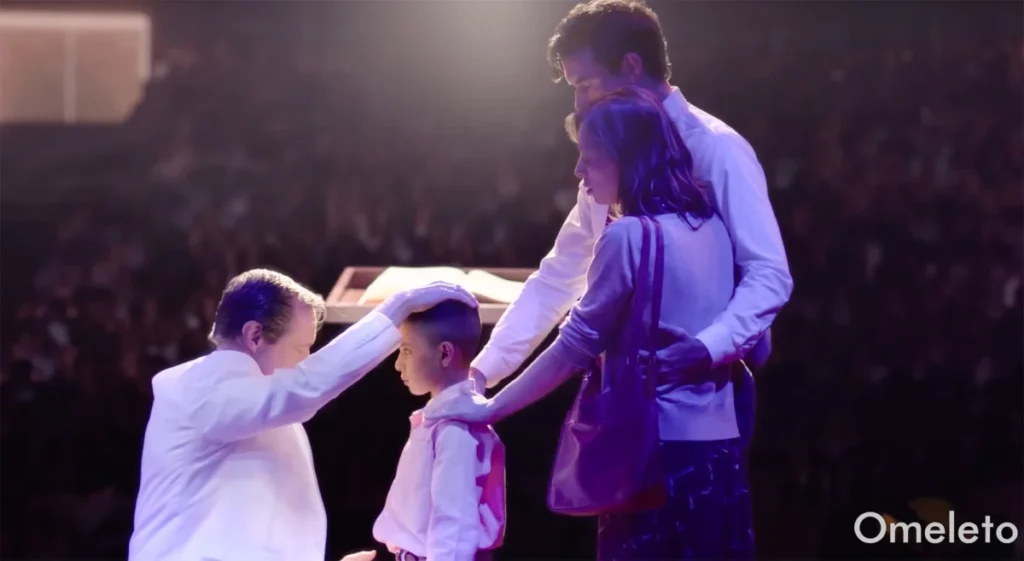
"Healing Hands" centers on Jonah, a young protagonist who relies on hearing aids that are becoming increasingly ineffective, impacting his academic performance. His teacher’s suggestion of sign language is met with his parents’ persistent belief in divine intervention, leading them to seek spiritual healing. The narrative masterfully immerses the viewer in Jonah’s subjective experience, portraying his internal struggle as he navigates the disconnect between his parents’ desires and his own emerging identity. The film is lauded for its "luminous, composed visual naturalism" and its "sure-handed focus and sensitivity," which effectively convey the complexities of Jonah’s journey from denial to acceptance.
The story draws directly from the writer-director’s own life experiences. This deeply personal connection imbues the film with an authenticity and emotional resonance that has resonated with audiences and critics alike. The lead role of Jonah is portrayed by Alexander Campos III, whose performance is central to the film’s success in capturing the nuanced emotional arc of the character.
Background and Production Context
Jordan Ochel’s "Healing Hands" was developed as his graduate thesis at Baylor University, underscoring its academic and artistic ambition. The project’s genesis in Ochel’s personal history highlights a growing trend in independent filmmaking, where filmmakers draw from their lived experiences to create stories that are both unique and universally relatable. The film’s production was partially supported by a crowdfunding campaign on Indiegogo, demonstrating the power of community engagement in bringing independent artistic visions to fruition. This method of funding is increasingly prevalent in the short film circuit, allowing filmmakers to bypass traditional gatekeepers and connect directly with potential audiences and supporters.

The film’s technical and creative team includes producer Rachel Jobin, Andy Racoti, and Jordan Ochel himself. Davin Fitch’s cinematography is noted for its visual richness, and Adrian Walther’s original score enhances the emotional depth of the narrative. The collaborative effort behind "Healing Hands" underscores the intricate process involved in producing high-quality short films, from conception to execution.
Expanding the Conversation on Deafness in Media
"Healing Hands" arrives at a time when cinematic portrayals of deafness are gaining greater visibility and critical acclaim. The film is contextualized alongside other notable works that have shed light on the Deaf community and experiences. The mention of the Oscar-winning film "CODA" (2021) is particularly relevant, as it brought the experiences of children of Deaf adults (CODAs) to a global audience. Similarly, the critically acclaimed "Sound of Metal" (2019), starring Riz Ahmed as a drummer experiencing sudden hearing loss, explored the profound impact of deafness on an individual’s life and identity. The documentary "Deaf President Now" (2025) further contributes to this growing body of work by highlighting pivotal moments in Deaf history and activism.
The inclusion of these references suggests a broader cultural shift towards more authentic and diverse representations of disability in media. This increased representation not only entertains but also educates, challenges misconceptions, and promotes greater understanding and inclusion for Deaf and hard-of-hearing individuals. The filmmakers’ explicit goal to "erase stereotypes about d/Deafness" aligns with this growing imperative in the entertainment industry.
Chronology of Release and Availability
While "Healing Hands" has been circulating in film festivals for the past year, its recent debut on Omeleto marks a significant step in making it accessible to a wider audience. Omeleto is a well-known online platform dedicated to showcasing curated short films, and its selection of "Healing Hands" indicates the film’s quality and potential for broad appeal. The film’s availability on YouTube, a global video-sharing platform, further democratizes access, allowing anyone with an internet connection to experience Jonah’s story. This dual availability across platforms caters to different viewing preferences and amplifies the film’s reach.
The timeline of its release can be broadly understood as:

- Development and Production: Likely spanning several years, including the conception of the idea, scriptwriting, securing funding, filming, and post-production.
- Film Festival Circuit: Approximately one year of screening at various film festivals, allowing the film to gain recognition, awards, and critical feedback.
- Online Debut: Recent availability on Omeleto and YouTube, making the film accessible to the general public.
Supporting Data and Impact
While specific viewership numbers for "Healing Hands" on Omeleto or YouTube are not yet publicly available, the growing interest in short films as a distinct cinematic form, coupled with the increasing demand for diverse storytelling, suggests a positive reception. Short films, often serving as a testing ground for new talent and innovative narratives, have a unique ability to convey complex themes in a concise format. Platforms like Omeleto have cultivated dedicated audiences who actively seek out these cinematic gems.
The impact of "Healing Hands" extends beyond its immediate audience. By presenting a nuanced and empathetic portrayal of a deaf child’s experience, the film contributes to a broader societal conversation about inclusion, acceptance, and the diverse ways in which individuals can find fulfillment. The film’s success in film festivals and its subsequent online release are indicators of its resonance with audiences and its potential to influence perspectives on deafness.
Official Statements and Reactions (Inferred)
While direct quotes from all parties involved are not provided in the initial report, the nature of filmmaking and the film’s subject matter allow for inferred reactions. Jordan Ochel, as the writer-director, has articulated his intention to "change hearts and minds" and "erase stereotypes." This clearly indicates a desire to foster understanding and empathy. The film’s personal roots suggest a profound emotional investment from Ochel, aiming to share a significant aspect of his own life and understanding with the world.
Producers Rachel Jobin and Andy Racoti, along with the technical crew, would have been instrumental in bringing Ochel’s vision to life. Their involvement signifies a shared commitment to the film’s message and artistic quality. The cinematography by Davin Fitch, noted for its "luminous, composed visual naturalism," suggests a deliberate effort to create a visually compelling and immersive experience that complements the emotional narrative. Similarly, Adrian Walther’s musical score would have been carefully composed to underscore the film’s emotional beats without overpowering the story.
Alexander Campos III, as the lead actor, would have undertaken a challenging role requiring sensitivity and a deep understanding of the character’s internal world. His performance is crucial to the film’s authenticity. The success of "Healing Hands" can be seen as a testament to the collaborative spirit and shared dedication of the entire cast and crew.

Broader Implications and Analysis
The emergence of films like "Healing Hands" signifies a positive trajectory for representation in media. As audiences become more discerning and demand richer, more authentic stories, filmmakers are increasingly exploring themes of identity, disability, and cultural experience with greater depth. The film’s exploration of faith alongside personal acceptance raises complex questions about the role of belief systems in shaping an individual’s journey, particularly within families grappling with a child’s perceived difference.
The film’s success in engaging with themes of deafness also highlights the ongoing need for greater accessibility and understanding within society. By showcasing the internal world of a deaf child and his family, "Healing Hands" provides a valuable opportunity for viewers to develop empathy and challenge their own preconceptions. The film’s contribution to the broader discourse on deafness is significant, offering a personal and artistic perspective that complements more academic or activist approaches.
The fact that "Healing Hands" is a graduate thesis project underscores the importance of educational institutions in nurturing emerging talent and supporting films that tackle significant social issues. Such projects often serve as a crucial stepping stone for filmmakers, allowing them to hone their craft and develop a distinct voice. The continued availability and potential recognition of these films can inspire future generations of filmmakers to pursue similar ambitious and meaningful projects.
Ultimately, "Healing Hands" stands as a powerful example of how short films can deliver profound emotional impact and contribute meaningfully to cultural conversations. Its journey from festival circuits to widespread online availability ensures that its message of acceptance, resilience, and the multifaceted nature of being "complete" can reach and touch a global audience. The film’s success serves as a reminder of the enduring power of personal stories to foster understanding and bridge divides.