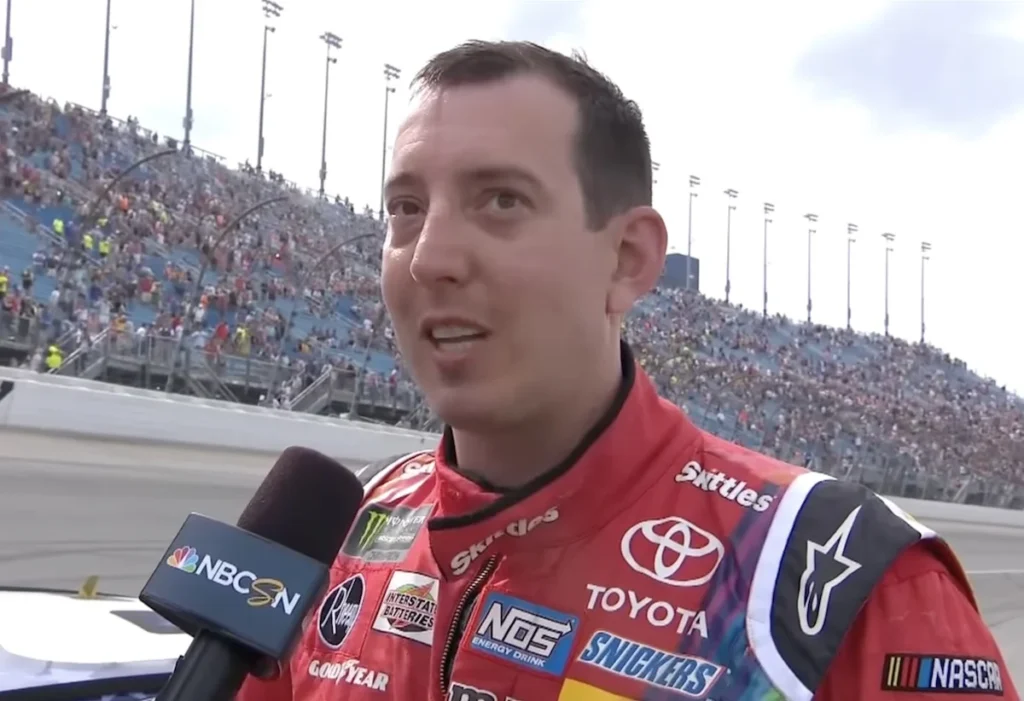

Unraveling the Medical Timeline: A Rapid and Fatal Progression
According to official documents, including the death certificate cited by various media outlets, including Us Weekly, Kyle Busch’s final days were marked by a medical "chain of events" that spiraled with alarming speed. The initial diagnosis was bacterial pneumonia, an infection authorities believe he had been battling for "days to weeks" before the situation dramatically worsened. While pneumonia itself can be serious, its progression in Busch’s case was unusually aggressive and rapid, leading to a series of critical complications that ultimately proved fatal.
The illness escalated when the bacterial pneumonia advanced into sepsis. Medical examiners estimate that sepsis, a life-threatening condition caused by the body’s overwhelming response to an infection, may have been present for approximately only one day before the situation became critical. Sepsis is characterized by a widespread inflammatory response that can damage multiple organ systems, and its rapid onset in Busch’s case underscores the severity and speed of his body’s decline.
Following the onset of sepsis, Busch reportedly developed disseminated intravascular coagulation (DIC). DIC is a grave condition where tiny blood clots form throughout the bloodstream, blocking small blood vessels and disrupting normal blood flow to vital organs. Simultaneously, the body’s clotting factors are depleted, leading to uncontrolled bleeding. This dual effect — excessive clotting and excessive bleeding — creates a highly perilous scenario. The final and most devastating stage in this progression was hemorrhagic shock, a life-threatening condition resulting from severe blood loss, which ultimately led to his death. This intricate and rapid succession of medical failures highlights the aggressive nature of the infection and the profound impact it had on his system.
The Final Days: Unseen Struggles and Public Concern
Kyle Busch passed away on May 21st, after reportedly being found unresponsive inside a racing simulator in North Carolina the day prior. The emerging timeline sheds light on the subtle, yet concerning, signs that preceded his collapse. In the days leading up to his death, fans and observers had noted that the two-time Cup Series champion appeared visibly unwell during public appearances connected to racing events. During a race broadcast earlier in the month, Busch was reportedly heard asking for medical assistance, complaining of feeling sick throughout the week.
At the time, these symptoms were largely attributed to a common cold, a sinus infection, or general fatigue – ailments not uncommon for athletes enduring demanding travel and competition schedules. The true gravity of his condition, however, remained tragically underestimated by those around him and the wider public. The casual dismissal of what seemed like minor discomfort now casts a somber shadow, emphasizing how quickly a seemingly manageable illness can turn lethal. Details from the emergency call made when he was found unresponsive have also been described as particularly distressing, painting a vivid picture of the sudden and shocking discovery.
A Pillar of the Racing Community: Kyle Busch’s Unforgettable Legacy
Kyle Busch’s death at 41 is a monumental loss not just for his family but for the entire motorsports community. He leaves behind his wife, Samantha, and their two young children, Brexton and Lennix. His career was nothing short of legendary, marked by an unparalleled competitive spirit and a relentless pursuit of victory across all of NASCAR’s top-tier series.
Busch, often affectionately and sometimes controversially known as "Rowdy," was one of the most polarizing yet undeniably talented drivers in NASCAR history. His career began in earnest in the early 2000s, and he quickly established himself as a dominant force. He was one of only two drivers to win championships in all three of NASCAR’s national touring series – the Cup Series (2015, 2019), the Xfinity Series (2009), and the Truck Series (2001). His 2015 Cup Series championship run, notably achieved after missing the first 11 races due to injury, remains one of the most remarkable comebacks in sports history.
His sheer volume of wins across all series is staggering, holding the record for the most career wins in the Xfinity Series (over 100) and the Truck Series (over 60), alongside his impressive tally of over 60 Cup Series victories. This record-breaking success solidified his status as one of the greatest drivers of his generation and arguably one of the best of all time. His aggressive driving style, combined with his raw talent and often outspoken personality, made him a captivating figure who commanded attention and generated passionate reactions from fans, whether they cheered for him or against him.
At the time of his passing, Busch was still actively competing at the highest level of the sport, pushing forward professionally and consistently contending for wins. The image of him preparing for another race weekend, only for the motorsports world to be plunged into mourning, underscores the surreal and unimaginable nature of this loss. His commitment to racing extended beyond the track, as he was also a team owner in the Truck Series, nurturing young talent and contributing to the sport’s future.
Official Responses and Widespread Grief
The immediate aftermath of Busch’s death saw an outpouring of grief and condolences from across the sporting world. His family had previously issued a statement confirming that pneumonia had developed into sepsis, leading to what they described as "rapid and overwhelming associated complications." This early communication helped to clarify the circumstances surrounding his passing while respecting the family’s privacy during a time of immense sorrow.
NASCAR, the governing body of the sport, released a heartfelt statement mourning the loss of one of its fiercest competitors and most recognizable personalities. The statement acknowledged his indelible mark on the sport and extended sympathies to his family, team, and countless fans. Fellow drivers, team owners, and industry figures took to social media and public platforms to share their shock, sadness, and fond memories of Busch. Dale Earnhardt Jr., a close friend and former competitor, reportedly shared heartbreaking details of their final text messages, revealing plans they had been making just days before Busch’s sudden decline, further illustrating the unexpected nature of the tragedy.
The collective grief resonated deeply within the racing community. From the roar of the engines to the quiet moments in the garages, Busch’s presence was felt everywhere. His competitors, who often found themselves battling him intensely on track, spoke of their respect for his talent and dedication. Fans, regardless of their allegiances, recognized his extraordinary contributions to the sport and the void his absence would create. Memorials and tributes poured in from tracks, teams, and fans, highlighting the profound impact he had on so many lives.
Broader Implications and a Call for Awareness
The sudden death of a seemingly healthy, active athlete like Kyle Busch from a rapidly progressing infection raises significant questions and highlights the critical importance of health awareness. While rare for such a rapid decline to occur in an individual with his presumed fitness level, the case serves as a stark reminder of the unpredictable and aggressive nature of conditions like bacterial pneumonia and sepsis.
Sepsis, in particular, is a leading cause of death globally, often underestimated and misdiagnosed in its early stages. The "Golden Hour" concept in sepsis treatment emphasizes that early recognition and intervention are crucial for improving outcomes. Busch’s case, where sepsis developed and progressed to a catastrophic level in an estimated single day, underscores the extreme urgency associated with severe infections. It prompts a broader conversation about public health messaging regarding symptoms of severe infections, the importance of seeking medical attention when feeling unwell, and the rapid progression of certain illnesses even in robust individuals.
For the NASCAR community, the loss of Kyle Busch creates a void that will be felt for years to come. His legacy, built on a foundation of unparalleled success, fierce competitiveness, and a memorable persona, will undoubtedly endure. However, the tragic circumstances of his passing also serve as a poignant reminder of the fragility of life, even for those who appear to defy limits on the track. The implications extend to his team, which loses a pivotal driver, and to his young family, who now face an unimaginable future without their patriarch.
The motorsports world, known for its resilience and ability to move forward, will undoubtedly honor Kyle Busch’s memory by continuing the sport he loved. Yet, the heartbreak of his sudden departure, amplified by the detailed medical timeline, will remain a sobering chapter in NASCAR history. The collective hearts of the racing community continue to go out to Samantha, Brexton, Lennix, and everyone grieving this devastating and unexpected tragedy.