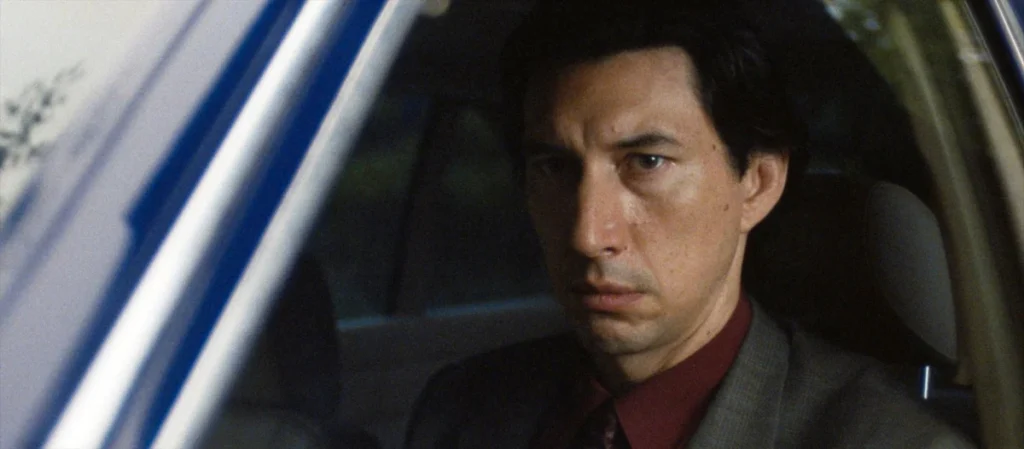

The 79th annual Cannes Film Festival, a prestigious global cinema showcase, has once again served as the launching pad for highly anticipated cinematic works. Among the esteemed selections vying for the coveted Palme d’Or in the Main Competition this year was James Gray’s latest offering, "Paper Tiger," a New York City crime thriller that, despite its director’s established pedigree and a compelling central performance, has garnered a measured response from critics and festival-goers alike. Premiering on May 26, 2026, the film, a deliberate departure from overt spectacle, delves into the intricate dynamics of family ambition and the perilous undertow of organized crime in the gritty landscape of 1980s Brooklyn.
Gray, a filmmaker renowned for his nuanced portrayals of characters navigating complex moral quandaries and often entangled in circumstances beyond their control, returns to the crime drama genre that defined his early career. "Paper Tiger," his ninth feature film following the 2022 release of "Armageddon Time," marks a thematic homecoming. The narrative centers on the Pearl family, a seemingly ordinary working-class unit whose lives are irrevocably altered when the lure of illicit financial gains draws them into the orbit of the Russian mafia.
The film’s plot unfolds in the tumultuous economic climate of the 1980s, a period marked by significant shifts in urban development and the persistent presence of organized crime. At the heart of the story are brothers Irwin Pearl, portrayed by Miles Teller, an engineer, and Gary Pearl, brought to life by Adam Driver. Gary, a former NYPD officer turned resourceful businessman and fixer, presents Irwin with what appears to be a lucrative opportunity: establishing an engineering middleman company. This venture is designed to streamline the labyrinthine paperwork for businesses situated along the notoriously polluted Gowanus Canal in Brooklyn.
However, the seemingly legitimate enterprise soon reveals its darker underpinnings. Many of the businesses operating in this industrial corridor are revealed to be fronts for Russian mafia operations, heavily involved in illicit activities such as oil dumping and other clandestine endeavors. The initial promise of financial prosperity quickly sours when Irwin, perhaps with an excess of youthful exuberance or a misguided desire to impress his sons, Scott (Gavin Goudey) and Ben (Roman Engel), inadvertently exposes the family’s involvement to the dangerous elements they are unknowingly collaborating with. This indiscretion provokes the wrath of the mobsters, initiating a desperate struggle for survival that ensnares both brothers and their immediate family.
A Gritty, Nostalgic Aesthetic
"Paper Tiger" is characterized by its deliberate aesthetic, a grainy, grimy portrayal of 1980s New York that evokes a palpable sense of place and time. Critics have noted its old-school style, a deliberate choice that positions the film as a throwback to the crime thrillers of the late 20th century. This stylistic inclination, while contributing to its immersive atmosphere, has also led to observations that the film eschews contemporary cinematic trends, feeling more at home in the 1990s than in the current decade. The narrative pace, described as "low key" and characterized by a "not much happens" vibe, aims to build suspense through simmering tension rather than overt action sequences. This approach, while effective in drawing the audience into the characters’ escalating predicament, has also contributed to the film’s failure to secure any awards at the Cannes festival.
Adam Driver’s Performance as a Standout Element
Despite the film’s overall reception, the performance of Adam Driver as Gary Pearl has been widely lauded. Driver, known for his ability to imbue characters with complex emotional depth and quiet intensity, delivers a performance that critics have described as "terrific" and "substantial." His portrayal of Gary, a man adept at navigating the city’s underbelly while maintaining a composed exterior, has been identified as a significant strength of the film. The nuance and subtlety of his choices as the character, particularly as the situation deteriorates, have been highlighted as particularly impactful. Driver’s ability to convey the internal struggles and strategic thinking of a character caught in a high-stakes environment is seen as a key factor in elevating "Paper Tiger" beyond a conventional crime narrative. His performance offers a glimpse into the multifaceted nature of his character, making him a compelling anchor for the story.
Narrative Strengths and Weaknesses
The film’s narrative, while compelling in its premise, has also faced scrutiny for certain shortcomings. The focus on the central conflict between the Pearl brothers and the Russian mafia is a strong narrative engine, generating suspense as they scramble to appease the relentless mobsters and mitigate the potential for further harm. The exploration of brotherhood and the lengths to which individuals will go for their families are thematic elements that resonate throughout the story. However, some reviewers have pointed to a lack of sufficient development in defining the Pearl family as a cohesive unit. Additionally, a subplot involving Hester Pearl (Scarlett Johansson) discovering she has cancer has been noted as feeling disconnected from the primary narrative, potentially detracting from the film’s overall coherence. This narrative imbalance has been cited as an example of the film’s "unpolished aspects."

Context of the Cannes Film Festival 2026
The Cannes Film Festival, established in 1946, is arguably the most prestigious film festival in the world, serving as a crucial platform for international cinema and a barometer of cinematic trends. The Main Competition, where "Paper Tiger" was screened, is the festival’s most coveted section, with films vying for the Palme d’Or, awarded to the best film. The 2026 edition of the festival featured a diverse and highly anticipated lineup, with notable directors and emerging talents presenting their work. The presence of "Paper Tiger" in this competitive field underscored James Gray’s continued standing in the international film community.
This year’s festival, like many preceding it, saw a robust presence of American cinema alongside a strong contingent of international productions. The competitive landscape of the Main Competition is always intense, with films often judged on artistic merit, directorial vision, and thematic relevance. While "Paper Tiger" did not secure any awards, its inclusion in the Main Competition signifies its recognition by the festival programmers as a work of significant artistic ambition. The absence of awards does not necessarily diminish a film’s artistic value, particularly in a festival known for its discerning jury and the subjective nature of cinematic appreciation.
James Gray’s Cinematic Trajectory
James Gray’s career has been marked by a consistent dedication to character-driven dramas, often set against vividly realized urban backdrops. His early films, such as "Little Odessa" (1994) and "The Yards" (2000), established his reputation for exploring themes of family, loyalty, and the corrosive influence of crime. With "Two Lovers" (2008), "The Immigrant" (2013), and "Ad Astra" (2019), Gray expanded his thematic and stylistic reach, demonstrating a capacity for both intimate character studies and ambitious genre filmmaking. His 2022 film, "Armageddon Time," was a semi-autobiographical coming-of-age story set in Queens, New York, further cementing his connection to the city as a narrative setting. "Paper Tiger" represents a return to the more overt crime elements of his earlier work, filtered through his mature directorial voice.
The 1980s NYC Crime Landscape
The 1980s in New York City were a complex period, marked by economic shifts, urban decay in certain areas, and a persistent struggle against organized crime. The Gowanus Canal area, historically an industrial hub, was particularly emblematic of this era’s environmental challenges and the industries that operated within it, some of which were intertwined with less-than-savory business practices. The Russian mafia, a significant organized crime syndicate, was increasingly active in New York during this period, engaging in various rackets and illicit enterprises. Gray’s decision to set "Paper Tiger" in this specific milieu provides a fertile ground for a crime thriller, allowing for the exploration of ambition, desperation, and the moral compromises that arise when individuals venture into dangerous territory.
Broader Implications and Reception Analysis
The reception of "Paper Tiger" at Cannes suggests a film that, while competently made and featuring strong performances, may not have fully resonated with the festival’s typically forward-looking sensibilities or the jury’s specific criteria for awarding top prizes. The film’s deliberate pacing and retro aesthetic, while appreciated by some for their authenticity, might have been perceived by others as lacking the innovation or thematic urgency that often characterizes Palme d’Or winners.
The implications of its performance at Cannes are multifaceted. For James Gray, it indicates a continued commitment to his established artistic vision, even as the industry evolves. For Adam Driver, it further solidifies his reputation as one of Hollywood’s most versatile and compelling actors, capable of anchoring complex narratives. For the film itself, its journey to wider distribution will likely be influenced by its reception at such a high-profile event. While it may not have achieved critical triumph, its merits, particularly Driver’s performance and Gray’s atmospheric direction, suggest it could find an appreciative audience among cinephiles who value character-driven crime dramas with a distinct stylistic flair. The film’s exploration of family, ambition, and the consequences of moral compromise remains a timeless and relevant theme, ensuring its potential to spark discussion and engagement beyond the festival circuit. The rating of 7.5 out of 10 from the original review suggests a solid, albeit not groundbreaking, cinematic experience.