
The Dialogue That Triggered a National Debate
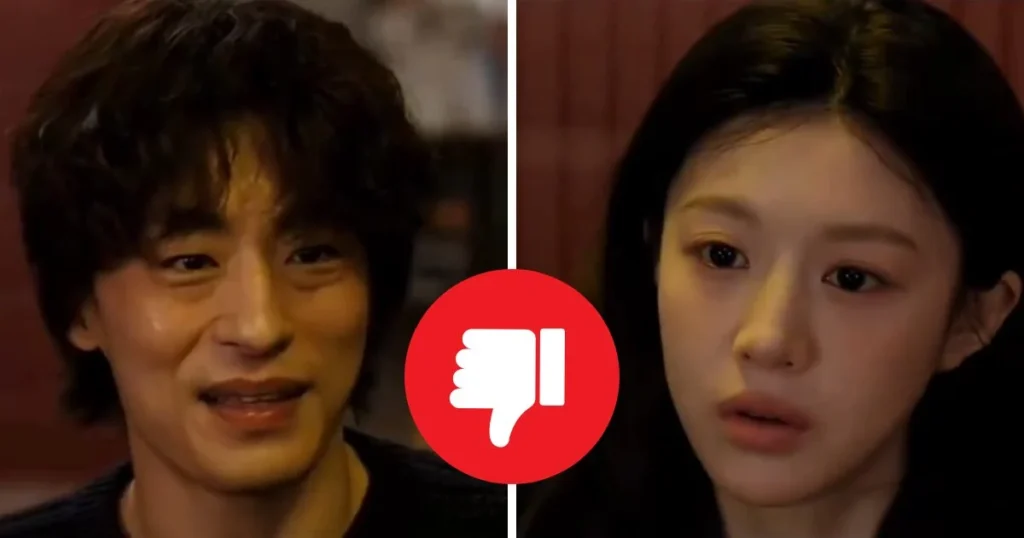
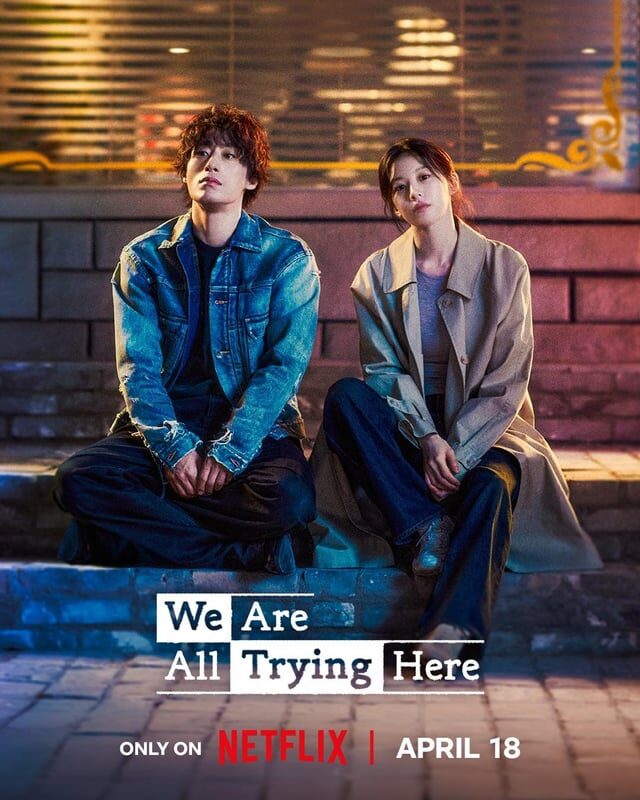
The incident occurred during a pivotal emotional scene between the two leads: Eun Ah, a character in her early 30s portrayed by Go Youn Jung, and Dong Man, a character in his mid-40s portrayed by Koo Kyo Hwan. In the scene, Eun Ah is depicted providing emotional support to Dong Man, who is navigating a mid-life crisis and professional burnout. The intent of the scene was ostensibly to show the deep, soul-level connection between the two characters despite their age difference.
However, the immersion was shattered for many viewers when Eun Ah, while comforting Dong Man, delivered the line: "You have the smell of a teenage boy about you, Director."
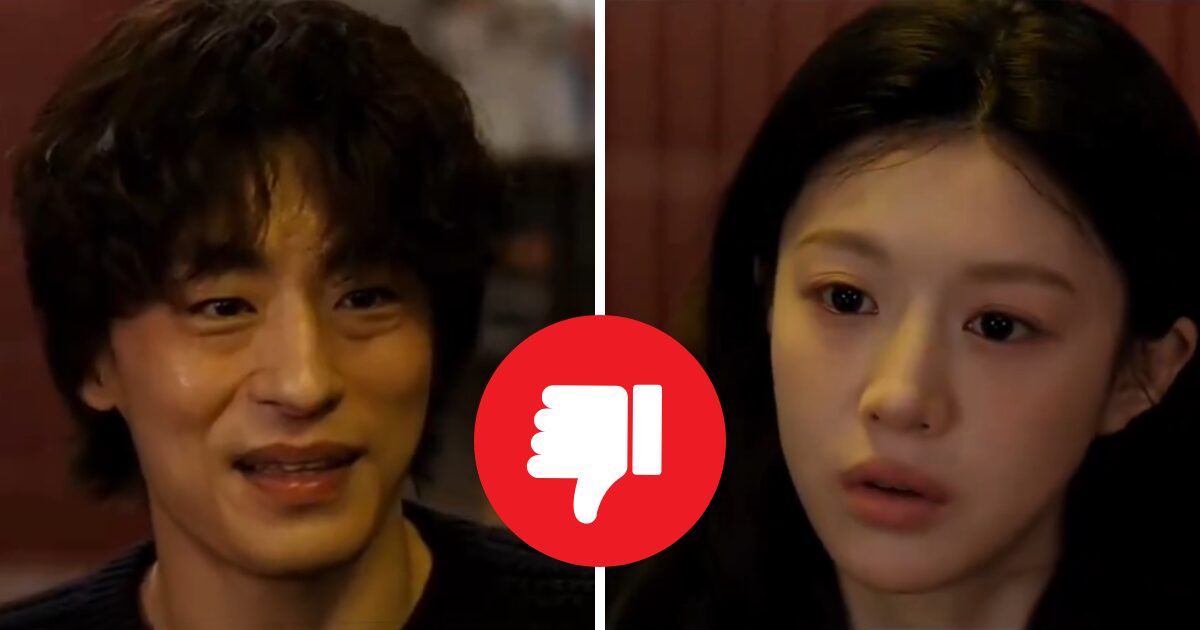
The reaction was almost instantaneous. Within minutes of the episode’s conclusion, social media platforms and online community forums, most notably Pann and TheQoo, were flooded with criticisms. A post on Pann, which has since garnered hundreds of thousands of views, summarized the collective discomfort: "I get that it’s the female lead in her 30s comforting the male lead in his 40s, but the smell of a teenage boy? Honestly, all I can think of is the smell of sweat. Even with the same sentiment, something like ‘When I look at you, Director, you remind me of a teenage boy’ or ‘You’re pure like a child’ would have been better—though honestly, those wouldn’t be great either. But the specific wording of ‘the smell of a teenage boy’ is really off-putting. I know it’s meant to be a literary expression, but that way of putting it is a hard pass for me."
A Pattern of Controversial Romantic Dynamics
Industry analysts note that this is not an isolated incident for We Are All Trying Here. The drama had already faced scrutiny for its previous attempt at an intimate "healing" scene. In an earlier episode, Eun Ah was shown lifting the hem of her oversized sweater and wrapping Dong Man inside it for a hug, a gesture meant to symbolize protection and warmth.
At the time, that scene was blasted by viewers who found the imagery "creepy" and "maternal in an uncomfortable way." Critics argued that the scene infantilized the male lead while placing the female lead in a role that blurred the lines between romantic interest and a parental figure. The "teenage boy smell" dialogue is seen by many as a continuation of this problematic writing trend, where the writer attempts to convey "purity" but instead evokes a visceral sense of "cringe" or discomfort.

Chronology of the Controversy and Rating Fluctuations
The timeline of the show’s reception illustrates a sharp pivot in public sentiment:
- Late April 2026: We Are All Trying Here premieres to high expectations. Initial ratings start at a respectable 4.2% nationwide, with praise for the cinematography and the chemistry between Go Youn Jung and Koo Kyo Hwan.
- Mid-May 2026: The "Sweater Hug" scene in Episode 4 goes viral for the wrong reasons. Domestic viewership plateaus at 5.5% as online discourse begins to shift toward the "odd" character dynamics.
- May 24-25, 2026: Episode 8 airs, featuring the "teenage boy smell" dialogue.
- May 25, 2026 (Morning): Multiple posts on Korean community portals reach "Best" status, criticizing the writer’s choice of words.
- May 25, 2026 (Afternoon): International K-Drama fans on platforms like X (formerly Twitter) and Reddit join the conversation, expressing confusion over the translation and the intent of the script.
Data from real-time streaming metrics suggest that while the drama initially retained a loyal fan base, the "chatter" surrounding the show has turned overwhelmingly negative. Sentiment analysis of the show’s official hashtag shows a 65% drop in positive mentions following the latest episode.
The "Literary Expression" Defense vs. Modern Sensibilities
In the wake of the backlash, some defenders of the show—including a small segment of the production’s writing staff who spoke anonymously—have argued that the dialogue was intended to be "poetic" or "literary." In traditional Korean literature, referencing the "scent" of youth or a specific age is often used as a metaphor for an untainted spirit or a sense of nostalgia.
However, cultural critics argue that these tropes are failing to translate to the 2026 television landscape. Modern audiences are increasingly sensitive to age-gap dynamics and the way "innocence" is portrayed in adult relationships. When a 30-year-old woman tells a 45-year-old man he smells like a "teenage boy," it triggers modern sensibilities regarding grooming, infantilization, and hygiene that the writer may not have considered.
"The writer is likely aiming for a ‘Nostalgic Melodrama’ vibe, similar to works from the early 2000s," says Lee Jin-ho, a media analyst. "But we are in an era where viewers analyze dialogue through a lens of psychological realism. Suggesting a middle-aged man has the scent of a minor is not romantic to a modern audience; it is jarring and biologically confusing."
Implications for the Cast and JTBC
The controversy is particularly disappointing for fans of the lead actors. Go Youn Jung, who rose to superstardom through Moving and Alchemy of Souls, was expected to solidify her status as a "Melodrama Queen" with this project. Similarly, Koo Kyo Hwan, known for his versatile and gritty performances in D.P. and Kill Boksoon, was taking a rare turn as a romantic lead.

Industry insiders suggest that the actors’ reputations remain largely intact, as the blame is being placed squarely on the screenwriter and the directing staff who allowed the line to remain in the final cut. Nevertheless, the drama’s failure to maintain its "beloved" status could impact future casting choices for similar age-gap narratives.
For JTBC, the backlash represents a hurdle in their attempt to regain dominance in the weekend drama slot. The network has been striving to compete with tvN and Netflix originals by offering "elevated" storytelling. If We Are All Trying Here continues to alienate viewers with "off-putting" dialogue, it risks becoming a cautionary tale rather than a flagship hit.
The Broader Impact on the K-Drama Industry
This incident serves as a significant case study for the K-Drama industry at large. It underscores the importance of "sensitivity reading" even in romance scripts. As K-Dramas have moved from a domestic niche to a global phenomenon, the scrutiny on dialogue has intensified. What might have been dismissed as a "quirky" line ten years ago can now destroy a show’s reputation overnight.

The fallout from We Are All Trying Here is expected to prompt production companies to reconsider how they portray "healing" romances. There is a growing demand for scripts that respect the maturity of adult characters rather than relying on metaphors that lean into infantilization.
As of now, JTBC has not issued an official statement regarding the dialogue controversy. The production team is reportedly monitoring the situation closely as they enter the final stages of editing for the remaining episodes. Whether the show can pivot and regain its footing—or if it will continue its downward trend in public opinion—remains to be seen. However, the lesson is clear: in the digital age, a single line of dialogue can be just as impactful as the entire plot, for better or, in this case, for much worse.