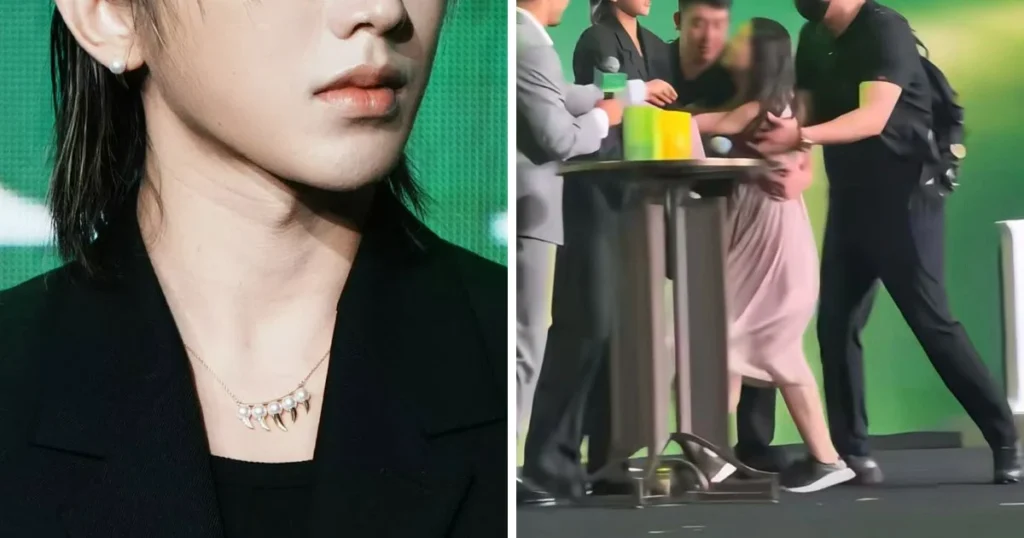

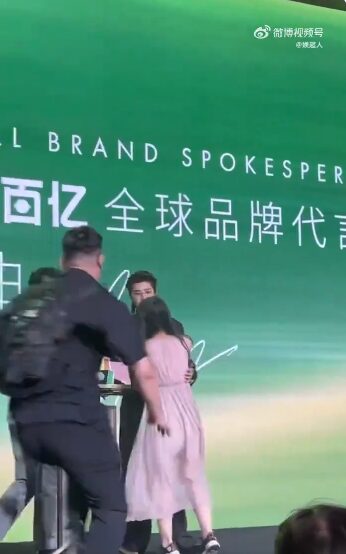
Cai Xukun, a dominant figure in the Chinese entertainment landscape, was participating in a scheduled appearance for a luxury brand when the disruption occurred. According to eyewitness accounts and viral video footage that has since circulated across platforms like Weibo and X (formerly Twitter), a female fan successfully navigated past the event’s security perimeter, ascended the stage, and physically accosted the performer. The lapse in security has prompted the event organizers to issue a formal public apology and has raised questions about the safety of public figures during commercial engagements.
Profile of the Artist: The Influence of Cai Xukun
To understand the gravity of the incident, one must consider the professional standing of Cai Xukun within the Asian entertainment industry. Born in August 1998, KUN rose to international prominence after participating in the reality survival show Idol Producer in 2018, where he finished in first place and became the center of the temporary boy group Nine Percent. Prior to this, he had debuted as a member of SWIN and its sub-unit SWIN-S.
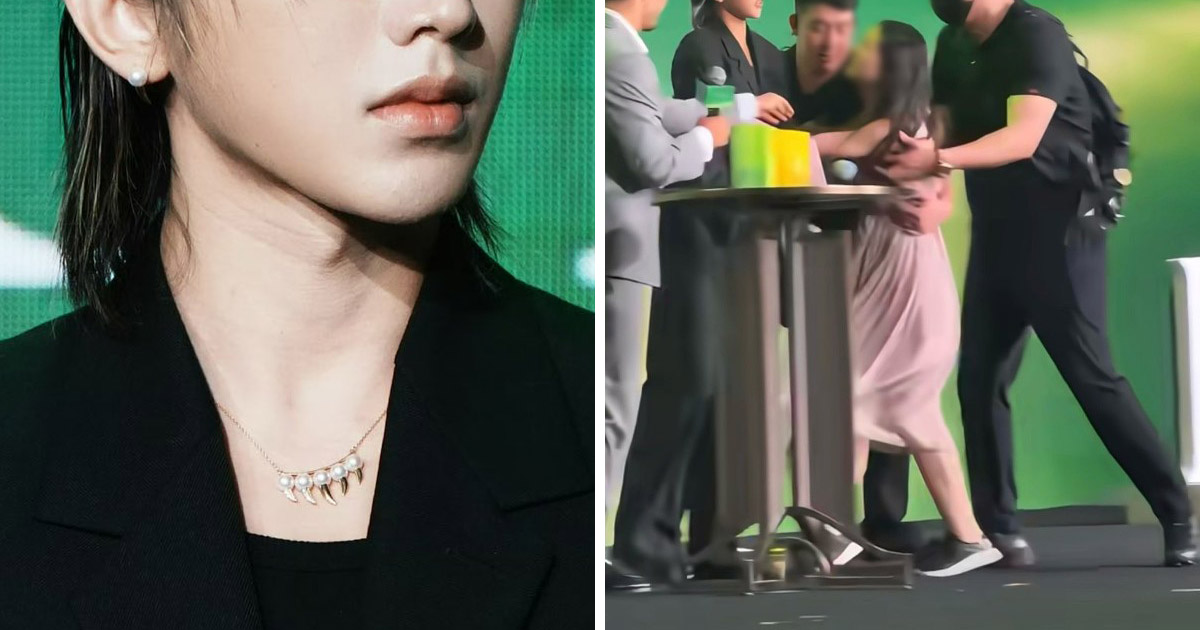
Following the disbandment of Nine Percent, KUN transitioned into a highly successful solo career, characterized by his involvement in every aspect of his music production, including songwriting and choreography. His influence extends beyond music into fashion and television, where he has served as a mentor on shows like Youth With You and a regular cast member on the variety program Keep Running. As a "Top Flow" (Liuliang) idol—a term used in China to describe celebrities with massive digital footprints and commercial value—KUN’s public appearances typically draw thousands of spectators, necessitating rigorous security measures.
Detailed Chronology of the Security Breach
The event in Hangzhou was intended to be a routine promotional appearance for one of the many brands KUN represents. The atmosphere was described as energetic, with a large crowd gathered to see the artist. The following timeline outlines the sequence of events as they unfolded:
- The Appearance: KUN arrived on stage to engage with the audience and the host. The event proceeded as planned for the initial segment, with the artist maintaining his usual professional demeanor.
- The Breach: As KUN was interacting with the crowd, a woman was seen breaking through the designated security line. She moved with significant speed toward the stage, taking advantage of a momentary gap in the surveillance of the floor staff.
- The Physical Contact: The fan reached KUN and immediately initiated a tight hug. Video evidence shows the fan clinging to the artist’s waist. Despite the sudden and intrusive nature of the contact, KUN did not visibly recoil in fear. Instead, he remained remarkably composed, placing a hand on the individual in what appeared to be an attempt to stabilize the situation and prevent a fall.
- The Intervention: Security personnel reacted several seconds after the initial contact. As they attempted to pull the fan away, she resisted, clinging to KUN with enough force to cause the artist to stumble momentarily.
- The Recovery: Once the fan was successfully removed from the stage and escorted out of the venue, KUN took a brief moment to adjust his attire and immediately resumed his professional duties. He reportedly addressed the crowd to reassure them of his safety, ensuring the event reached its scheduled conclusion.
Analysis of Professionalism and De-escalation
Industry analysts and fans alike have praised Cai Xukun for his "cool, calm, and collected" reaction to the threat. In high-stakes environments, the reaction of a celebrity can often dictate the crowd’s behavior. By remaining calm, KUN likely prevented a mass panic or a more aggressive intervention from the crowd, which could have led to injuries among the spectators.

His decision to place a hand on the fan’s waist while she was being pulled away has been interpreted by some as a protective instinct to ensure the woman did not get hurt during the forceful removal by security. This level of composure is often cited as a hallmark of seasoned performers who have been trained to handle the unpredictable nature of live public appearances. However, the incident also highlights the psychological toll such breaches can take on artists, who must navigate the fine line between being accessible to their fanbase and maintaining their personal safety.
Official Responses and Security Failures
The fallout from the incident was immediate. The event organizers faced intense scrutiny from KUN’s management team and his global fanbase, known as "IKUN." In the hours following the breach, the organizers released a comprehensive public statement addressing the failures.
The statement acknowledged that the security measures in place were insufficient for the scale of the event and the profile of the guest. "We sincerely apologize to Mr. Cai Xukun and his fans for the oversight in our security arrangements," the organizers stated. They confirmed that an internal review is underway to identify the specific personnel and protocols that failed during the event. Furthermore, they pledged to cooperate fully with local law enforcement in their investigation of the unauthorized individual’s actions.
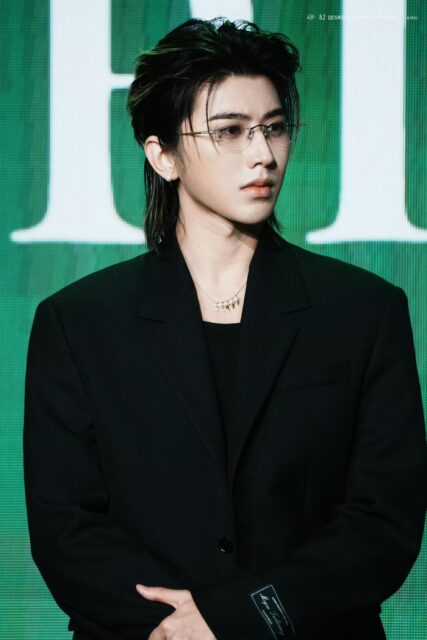
The brand involved also issued a brief statement expressing regret over the incident and emphasizing their commitment to the safety of their ambassadors. Such apologies are standard in the industry, yet they often serve as a catalyst for broader changes in how celebrity events are managed in major Chinese cities like Hangzhou and Shanghai.
The Broader Context: Security Trends in the Idol Industry
The Hangzhou incident is not an isolated case but rather part of a concerning trend of "sasaeng" (obsessive fan) behavior and stage-crashing in the global idol industry. While the term "sasaeng" originated in South Korea, the culture of overzealous fandom is a significant challenge across all of East Asia.
Comparison with Previous Incidents
In recent years, several high-profile idols have faced similar breaches. From fans attempting to board the same flights as artists to individuals breaking into hotel rooms, the invasion of privacy has become a major talking point. Stage-crashing, specifically, is viewed as one of the most dangerous forms of fan interaction because it occurs in a live environment where the potential for weaponization or physical harm is high.
The Role of "Top Flow" Status
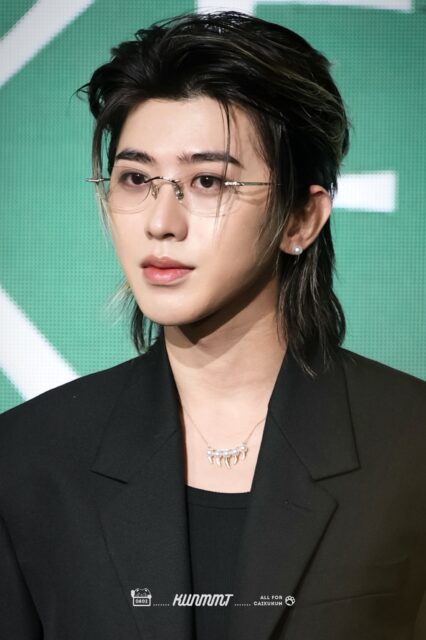
For an artist like Cai Xukun, the risks are amplified by his "Top Flow" status. In the Chinese market, the success of an idol is often measured by the fervor of their fanbase. Brands often capitalize on this by creating "open" events to maximize visibility. However, this creates a security paradox: the more successful the event is in terms of attendance, the harder it becomes to secure the perimeter.
Technical and Legal Implications
The incident raises several technical questions for event planners. Standard security for a celebrity of KUN’s caliber usually includes:
- The Inner Circle: Personal bodyguards who remain within arm’s reach.
- The Middle Perimeter: Stage-side security responsible for blocking access to the platform.
- The Outer Perimeter: Venue security managing the general crowd.
In this instance, the failure appeared to occur at the middle perimeter. Moving forward, industry experts suggest that physical barriers (such as plexiglass or increased stage height) and "spotter" teams dedicated to watching the crowd rather than the performer may become more prevalent.
Legally, stage-crashing can result in charges ranging from disorderly conduct to harassment and assault. In China, public security laws are strict regarding the disruption of large-scale events. The individual involved in the Hangzhou incident could face administrative detention or fines, serving as a deterrent to others who might consider similar actions for social media clout or personal obsession.
Conclusion: The Path Forward for Fan Engagement
The viral video of Cai Xukun handling a stage-crashing fan serves as both a testament to his individual professionalism and a warning to the entertainment industry at large. While the artist’s ability to remain composed prevented the situation from escalating into a tragedy, the reliance on an idol’s "cool-headedness" is not a sustainable security strategy.
As the Mandopop industry continues to grow and its stars achieve even higher levels of global fame, the infrastructure supporting their public appearances must evolve. The incident in Hangzhou will likely lead to more stringent regulations for brand events and a shift toward more controlled environments for fan interactions. For KUN, the event has solidified his reputation as a professional who can handle pressure, but it has also left his fanbase demanding better protection for the artist they support. The balance between celebrity accessibility and personal safety remains one of the most pressing challenges for the modern entertainment world.