
The 79th annual Cannes Film Festival reached its philanthropic peak on May 21, 2026, with the highly anticipated amfAR Cannes Gala. Held at the legendary Hôtel du Cap-Eden-Roc in Cap d’Antibes, the evening served as the primary fundraising vehicle for amfAR, the Foundation for AIDS Research. As one of the most exclusive tickets in the global social calendar, the 2026 gala continued its tradition of blending high-stakes charity with avant-garde fashion, attracting a concentrated assembly of Academy Award winners, supermodels, and industry titans.
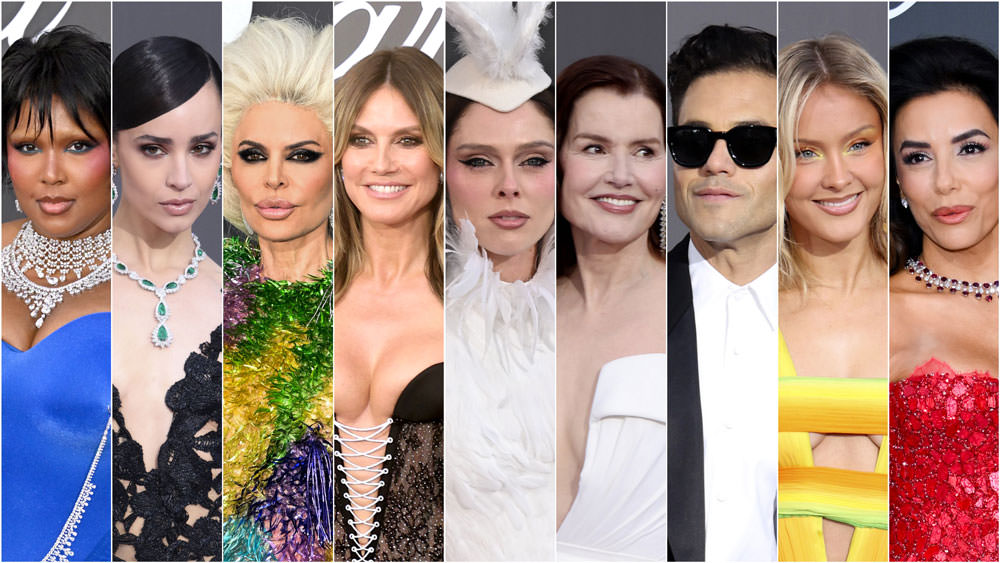
Since its inception, the amfAR Cannes Gala has raised more than $260 million for life-saving HIV/AIDS research. The 2026 edition focused heavily on the "Countdown to a Cure" initiative, aimed at developing the scientific basis for a cure by the end of the decade. Beyond the humanitarian mission, the event is scrutinized by the global fashion industry as a definitive showcase for late-season couture and a precursor to the trends that will dominate the upcoming autumn collections.
The Intersection of Philanthropy and High Fashion
The red carpet at the amfAR Gala is historically known for being more daring and experimental than the formal premieres held at the Palais des Festivals. While the main competition screenings demand a certain level of traditional "Old Hollywood" decorum, the amfAR atmosphere encourages maximalism and sartorial risk-taking. In 2026, this translated into a dominance of structural silhouettes, neon-saturated palettes, and intricate embellishments that challenged conventional red-carpet aesthetics.
Industry analysts noted that the 2026 gala saw a significant shift toward "architectural couture," where designers prioritized volume and unconventional materials over simple draping. This trend was exemplified by several high-profile attendees who opted for emerging labels and specialized couture houses over traditional luxury conglomerates.
Detailed Analysis of Key Red Carpet Arrivals
Architectural Statements: Coco Rocha and Lizzo
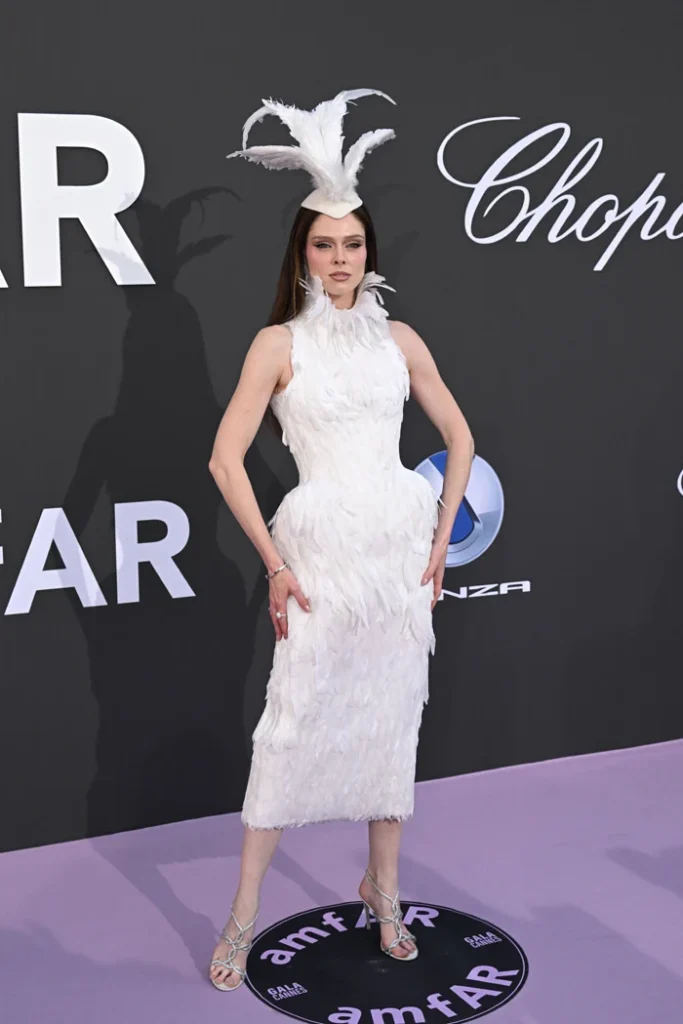
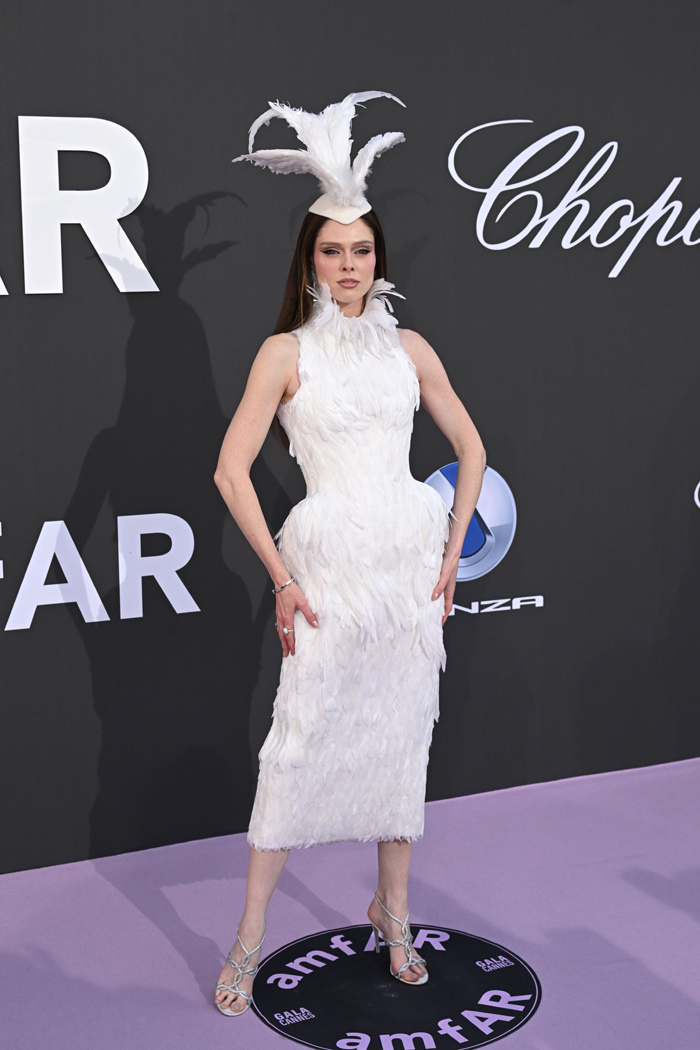
Supermodel Coco Rocha, often referred to as the "Queen of Pose," arrived in a striking creation by Ilya Migmoon. The ensemble, which featured a complex arrangement of white, feathered textures and sharp, protruding angles, was a masterclass in performance fashion. While Rocha’s ability to manipulate such a structural garment earned praise from photographers, the look polarized critics, some of whom found the "avian" inspiration too literal for a black-tie event.
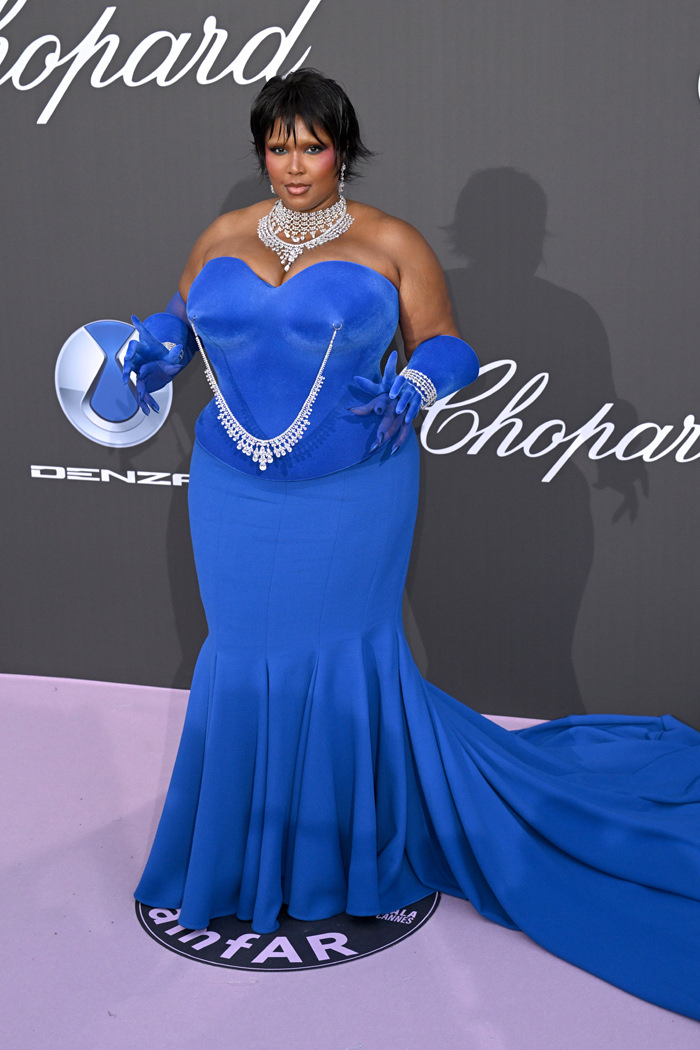
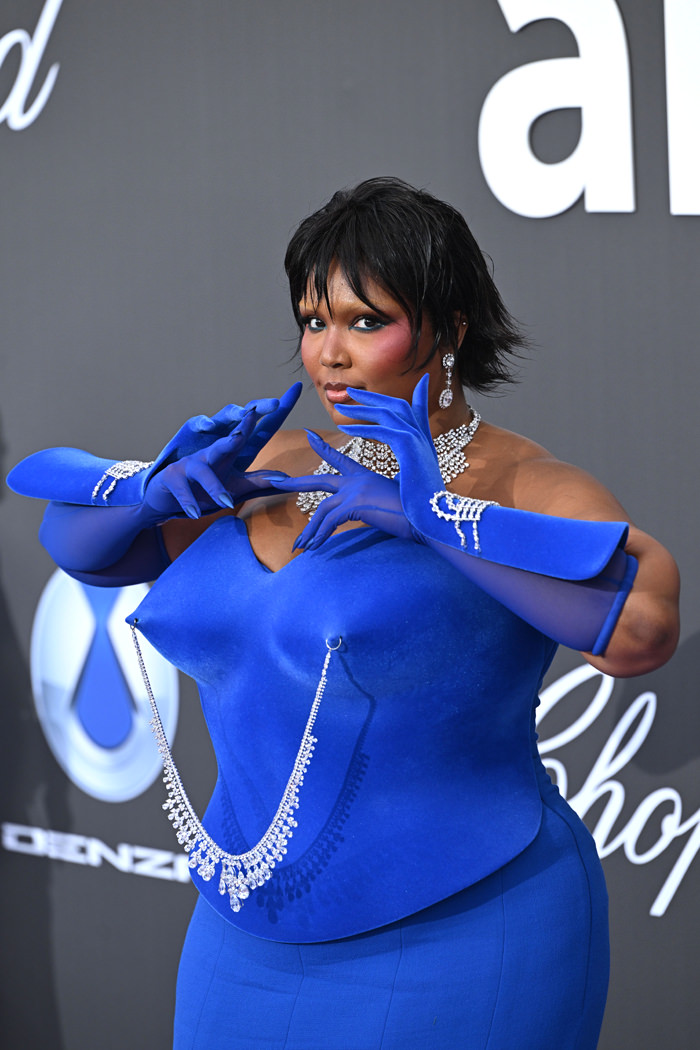
Similarly, Grammy-winning artist Lizzo made a significant impact in Robert Wun Couture. Robert Wun, a designer known for his "horror-tinged" elegance and gravity-defying shapes, provided Lizzo with a voluminous, monochromatic ensemble that utilized massive amounts of pleated fabric. The look was a testament to the 2026 trend of "saturated volume," though the sheer scale of the garment sparked debate regarding the balance between artistic expression and wearable elegance.
The Evolution of the Classic Gown: Eva Longoria and Sofia Carson
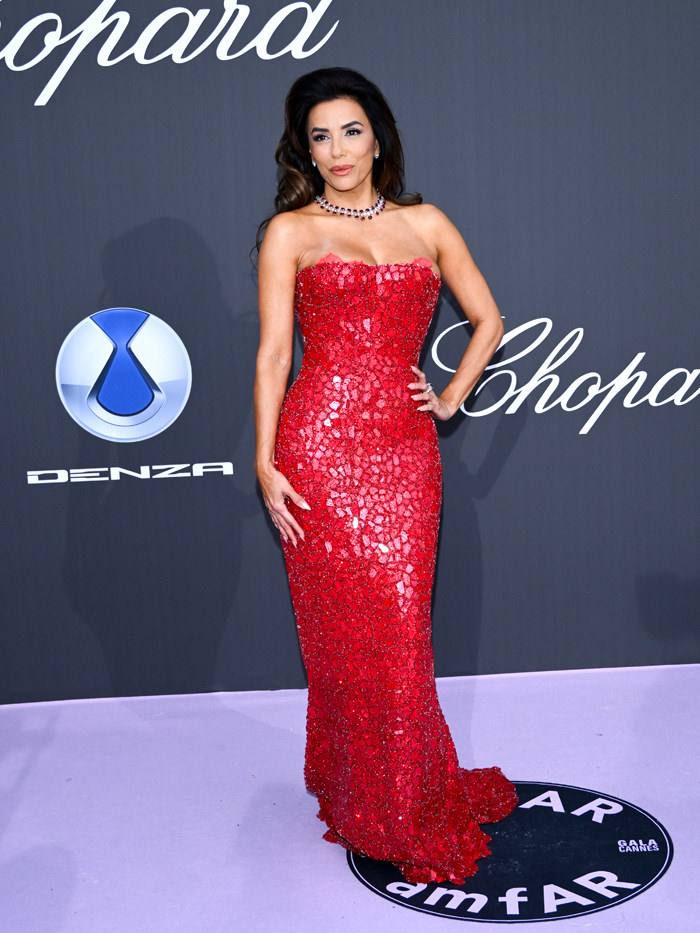
Eva Longoria opted for Sophie Couture, a house that has become a staple of the Mediterranean gala circuit. Her gown featured intricate beadwork and a transparent bodice, adhering to the "naked dress" trend that has persisted through the mid-2020s. Despite the gown’s undeniable craftsmanship, observers noted that the restrictive tailoring appeared to prioritize silhouette over comfort, a common critique of high-fashion corsetry.
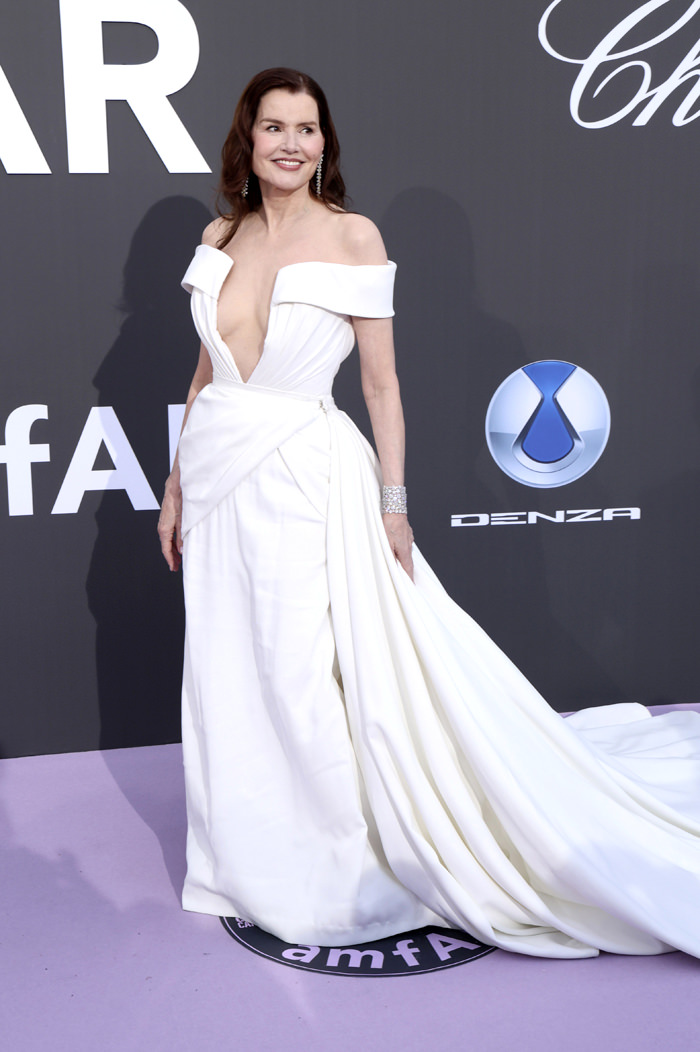
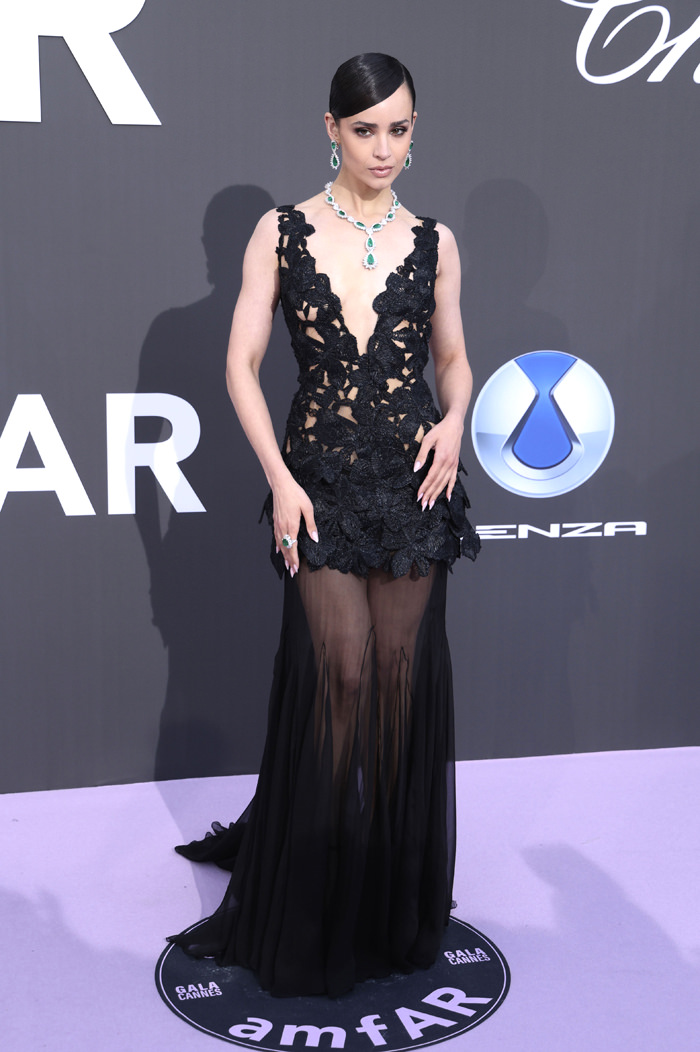
Sofia Carson, representing the younger generation of Hollywood talent, arrived in Caroline’s Couture. Her look was characterized by traditional design tropes—high slits and ruffled trains—paired with high-jewelry accents. Analysts suggested that while the look was safe and commercially appealing, it lacked the innovative edge seen in other attendees, and the choice of a heavy statement necklace was seen as a slight mismatch for the gown’s delicate neckline.
Veteran Presence and Style Shifts: Geena Davis and Heidi Klum
Academy Award winner Geena Davis demonstrated the enduring appeal of the plunging neckline. Her choice of a relaxed, flowing fabric was interpreted as a move toward "effortless glamour," though some critics felt the choice of material lacked the structural integrity required for such a high-profile venue.
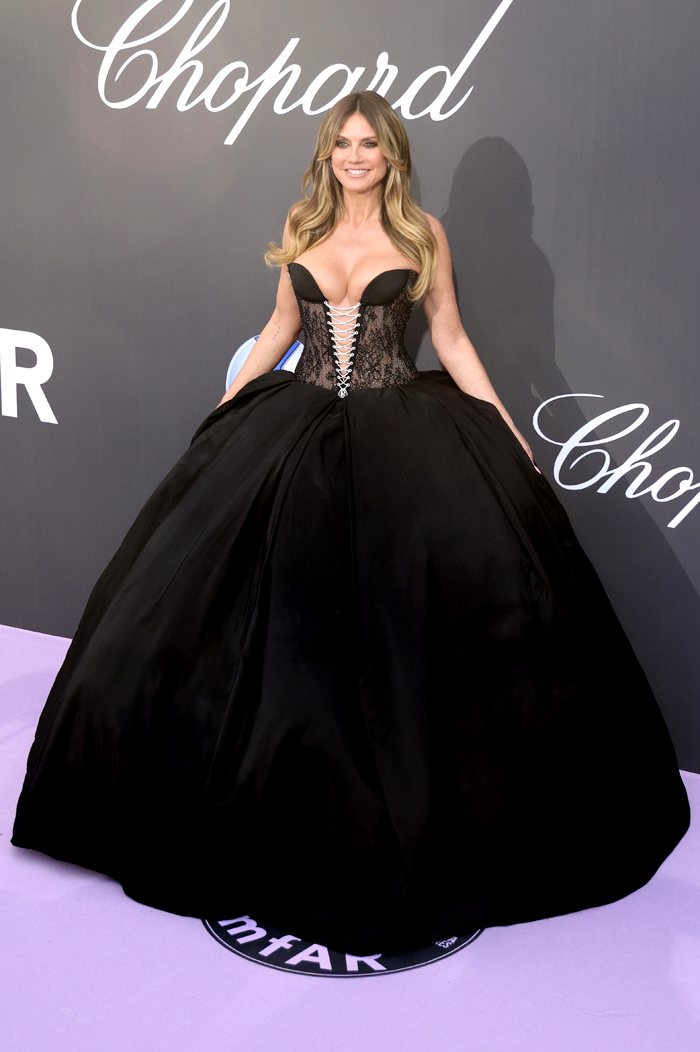
Heidi Klum, also in Sophie Couture, continued her streak of choosing polarizing, high-concept garments. Known for her "more is more" approach, Klum’s 2026 look featured an asymmetrical design that combined multiple textures. Fashion commentators suggested that while Klum remains a vital figure in the industry, her recent choices have skewed toward the "costume-adjacent," moving away from the refined elegance typically associated with the Cap d’Antibes setting.
Sustainable Luxury and Modern Minimalism: Lisa Rinna and Rami Malek
Lisa Rinna provided one of the evening’s most discussed moments in Germanier Couture. Kevin Germanier’s brand is built on the foundation of upcycled luxury, using discarded beads and fabrics to create vibrant, futuristic pieces. Rinna’s embrace of this "conscious maximalism" was seen as a nod to the increasing importance of sustainability in the 2026 fashion landscape.
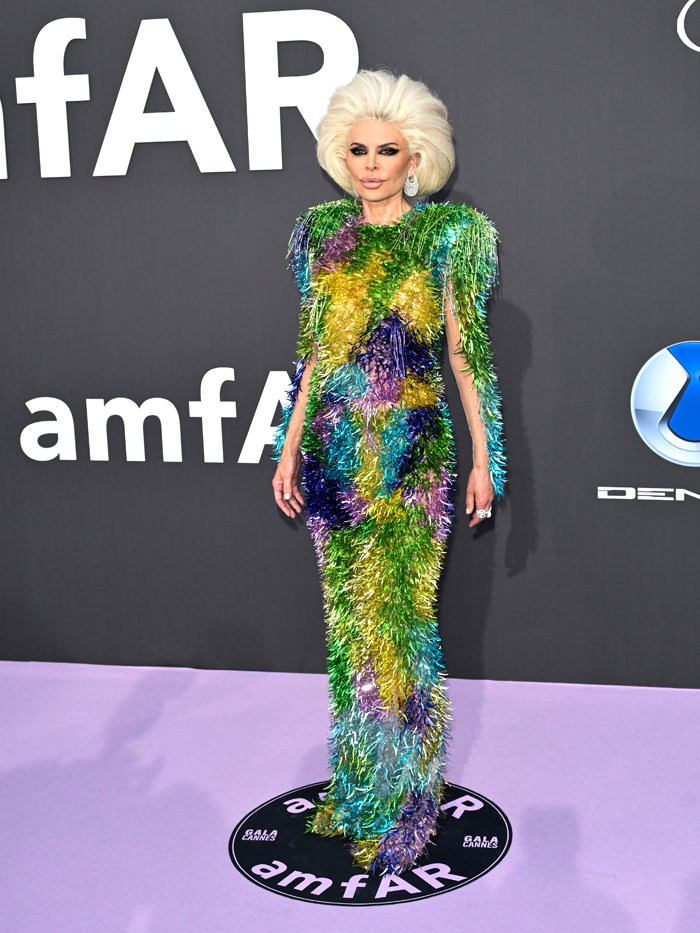
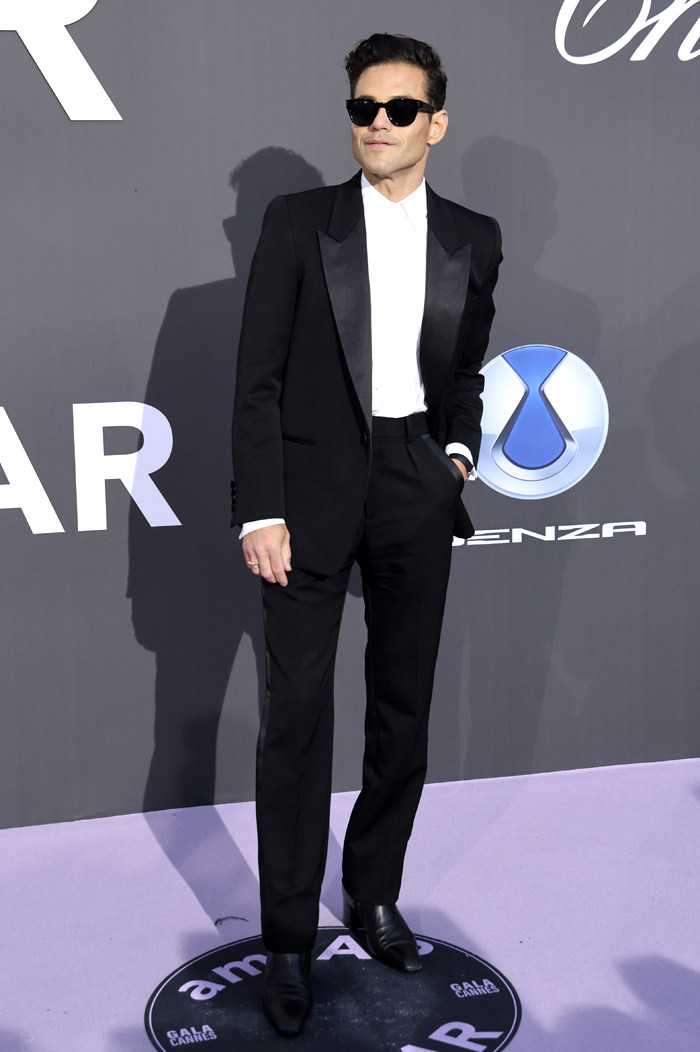
In contrast to the exuberant displays of the women, Rami Malek provided a lesson in modern masculine minimalism. His impeccably tailored tuxedo served as a reminder that amidst a sea of experimental couture, classic proportions and high-quality textiles remain the gold standard for formal attire.
Bold Color Theory: Zara Larsson
Swedish pop star Zara Larsson opted for Roberto Cavalli, a brand synonymous with bold prints and sensual silhouettes. Her 2026 choice was a vibrant, bohemian-inspired gown that utilized a vivid color palette. While the look aligned with Larsson’s established personal brand, it was categorized by some as "tastemaker-adjacent"—a look that succeeds on the strength of the wearer’s charisma rather than the garment’s objective design.
Event Chronology and Gala Highlights
The evening commenced with a cocktail reception on the hotel’s terrace, followed by a formal dinner and the legendary live auction, conducted by world-renowned auctioneers. The 2026 auction included several unique items:
- A private portrait session with a legendary fashion photographer.
- A week-long stay on a sustainable "eco-superyacht" in the Maldives.
- A bespoke piece of jewelry featuring a rare, ethically sourced sapphire.
- A walk-on role in an upcoming blockbuster film directed by a Cannes Jury member.
Midway through the dinner, amfAR officials provided a progress report on their latest research breakthroughs. The foundation highlighted the success of several clinical trials involving gene-editing technology aimed at eliminating HIV reservoirs in the body. This segment of the evening serves as a sobering reminder of the event’s core purpose, momentarily shifting the focus from fashion to global health.
The night concluded with a live musical performance. In 2026, the headliner was a surprise collaboration between a veteran rock legend and a contemporary pop icon, a pairing designed to appeal to the diverse age demographics of the donors.
Broader Impact and Industry Implications
The amfAR Cannes Gala remains a vital barometer for the health of the luxury sector. The level of spending observed during the auction and the caliber of the brands represented on the red carpet provide insights into the economic confidence of the global elite.
Furthermore, the event highlights the shifting power dynamics within the fashion industry. The prominence of labels like Robert Wun and Germanier over more established legacy houses suggests that the 2026 consumer—and the celebrities who represent them—are increasingly seeking out "niche" luxury and brands with a strong ethical or artistic identity.
For amfAR, the 2026 gala was a resounding success. Preliminary reports suggest that the evening surpassed its fundraising goals, ensuring continued support for the researchers working toward an HIV-free future. The event successfully leveraged the visibility of the Cannes Film Festival to maintain global attention on a health crisis that, while often overshadowed by newer pandemics, continues to affect millions worldwide.
Conclusion and Future Outlook
As the 2026 Cannes Film Festival concludes, the amfAR Gala stands as its most significant social and philanthropic milestone. While the red-carpet choices will continue to be debated in fashion circles, the tangible impact of the funds raised will be felt in laboratories across the globe. The 2026 "rundown" reveals a fashion industry in transition—balancing a desire for outrageous, attention-grabbing silhouettes with a growing respect for sustainability and the traditional craft of couture.
Looking forward to 2027, the amfAR Foundation has hinted at a new series of "Global Galas" to further decentralize their fundraising efforts, though the Cannes event will undoubtedly remain the crown jewel of their annual calendar. The intersection of celebrity, fashion, and philanthropy at the Hôtel du Cap-Eden-Roc remains a unique phenomenon, proving that the world’s most glamorous stage can also be its most effective platform for change.