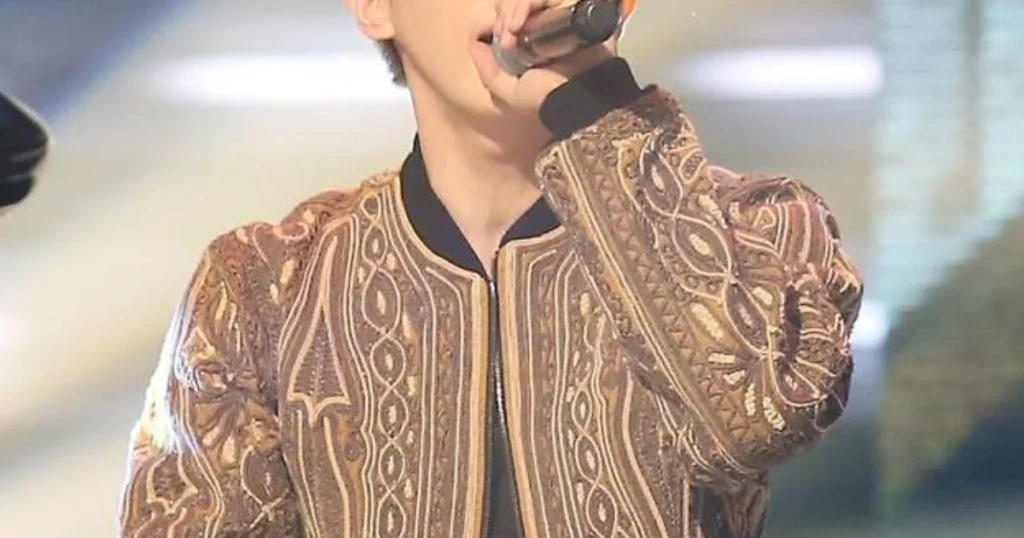

Jang Hyunseung, a prominent figure in the second generation of K-pop and a former member of the boy group BEAST (now known as Highlight), has recently found himself at the center of a significant public controversy. The issue stems from his use of highly controversial internet slang during a private messaging session with fans on a dedicated communication platform. While the artist has since issued a formal apology citing a lack of contextual awareness, the incident has reignited a broader conversation regarding the responsibilities of public figures in the digital age and the pervasive influence of extremist online subcultures on modern Korean linguistics.
The Genesis of the Controversy
The incident began when screenshots of a conversation between Jang Hyunseung and his fans began circulating across various South Korean online community portals, including the popular forum TheQoo and various social media platforms. During the exchange, a fan inquired about the meaning of the term "yareu," a relatively new piece of Gen Z slang often used in niche online circles to describe a specific "vibe" or a sense of being "slick" or "cool."
Jang Hyunseung’s response, however, took a turn that many observers found deeply problematic. He described the term "yareu" as being a "perfect replacement for ‘Anggimotti.’" For the uninitiated or those outside the sphere of Korean internet culture, this comparison might seem innocuous. However, within the South Korean socio-cultural context, the term "Anggimotti" carries a heavy burden of controversy, ranging from sexual connotations to associations with extremist political ideologies.
The immediate reaction from the fans participating in the chat was one of alarm. Several users quickly warned the singer about the weight of the word he had used, advising him of its negative associations. While Jang initially engaged with these warnings—at one point appearing defensive or confused—the messages were eventually deleted as the backlash began to spill over from the private platform into the mainstream public eye.
Etymological Roots and Cultural Stigma
To understand the severity of the backlash against Jang Hyunseung, it is necessary to examine the history of the phrase "Anggimotti." The term is a linguistic portmanteau derived from the Japanese phrases "Yamete" (stop) and "Kimochii" (it feels good). Historically, this combination has been associated with Japanese adult video (AV) content.
The phrase gained mainstream notoriety in South Korea through its popularization by certain controversial "BJs" (Broadcast Jockeys) on streaming platforms like AfreecaTV. These streamers used the phrase in a mocking, exaggerated tone to express excitement or pleasure. Over time, the term became a staple of the lexicon used on "Ilbe Storehouse" (commonly referred to as Ilbe), an online community notorious for its far-right political views, misogyny, and hate speech.
Because of its association with Ilbe—a site that is widely condemned by the South Korean public—any use of its specific "slang" by a public figure is often interpreted as a sign of alignment with the site’s extremist values or, at the very least, a profound lack of social responsibility. For an idol like Jang Hyunseung, who has been in the public eye for over a decade, the use of such a term was seen by many as an inexcusable oversight.
Chronology of Events and Official Response
The timeline of the controversy moved rapidly, reflecting the high-speed nature of K-pop discourse.
- The Exchange: During a live interaction on a fan-to-artist communication app, Jang Hyunseung equates the new slang "yareu" with the controversial "Anggimotti."
- The Fan Reaction: Fans immediately post warnings in the chat, explaining that the term is linked to Ilbe and sexual content.
- The Escalation: Screenshots of the conversation are leaked to public forums. Within hours, the topic trends on social media, with netizens expressing disappointment and anger.
- The Deletion: Recognizing the mounting pressure, the controversial messages are removed from the fan platform.
- The Apology: Jang Hyunseung issues a statement addressing the matter. In his apology, he clarified that he was entirely unaware of the derogatory or extremist context behind the expression. He stated that he had heard the term used in passing and mistakenly thought it was a harmless, trendy way to express a positive feeling.
Despite the apology, the incident has left a mark on his reputation. Critics argue that as a veteran of the entertainment industry who debuted in 2009, he should be more attuned to the nuances of public language, especially regarding terms that have been subjects of national controversy for years.
Supporting Data: The Impact of Slang on Public Persona
In the South Korean entertainment industry, the "Ilbe Controversy" has claimed the careers or severely damaged the reputations of several stars in the past.
- In 2013, the girl group Crayon Pop faced a massive boycott after using a term associated with Ilbe on Twitter.
- Various variety show producers have been forced to resign or issue public apologies after "Ilbe-style" imagery or slang accidentally made its way into broadcast subtitles.
Data suggests that the South Korean public is particularly sensitive to these linguistic markers because they represent more than just "bad words"; they are viewed as dog whistles for a subculture that many believe undermines social cohesion. A 2021 survey on digital ethics in Korea indicated that over 70% of respondents felt that public figures should be held to a higher standard regarding the use of internet slang, given their influence on younger audiences.
The Role of Private Fan Communication Platforms
This incident also highlights the inherent risks of modern fan communication tools. Platforms like Fromm, Bubble, and Weverse allow for a more intimate, "raw" connection between idols and their supporters. While this fosters a sense of closeness, it also removes the traditional "buffer" of a talent agency’s PR department.
In the 2nd generation of K-pop, communication was largely mediated through official press releases or scripted variety show appearances. Today, idols are expected to be online and interactive 24/7. This constant stream of communication increases the likelihood of "slips of the tongue" or the use of unvetted language. Jang Hyunseung’s case serves as a cautionary tale for other artists about the dangers of adopting "internet speak" without fully researching its origins.

Analysis of Implications for the K-pop Industry
The controversy surrounding Jang Hyunseung is indicative of a wider generational and cultural gap within the industry.
1. The Burden of Continued Education
As K-pop becomes a global phenomenon, the domestic scrutiny on idols’ behavior has not lessened; if anything, it has intensified. Agencies are now faced with the task of not only training idols in dance and vocals but also providing "media literacy" and "social sensitivity" training. This is particularly difficult for veteran artists who may not be as plugged into the rapidly shifting taboos of younger internet users.
2. The Nuance of "Yareu" vs. "Anggimotti"
Linguistically, the transition from "Anggimotti" to "yareu" is an interesting case of how slang evolves. "Yareu" is often used by younger people to mean something is "cool" or "hip" (derived from the word ‘yari,’ which has various meanings including ‘sharpness’). By linking it to a term with such dark associations as "Anggimotti," Jang Hyunseung effectively contaminated a new, relatively harmless term with the baggage of an old, harmful one. This linguistic "cross-contamination" is exactly what fans were trying to prevent when they issued their initial warnings.
3. Public Perception and Forgiveness
In the Korean "cancel culture" landscape, the speed and sincerity of an apology are crucial. Jang Hyunseung’s admission of ignorance is a common defense, but its effectiveness depends on the artist’s history. Throughout his career, Jang has often been characterized as a "free spirit" or a "maverick," dating back to his departure from BEAST and his edgy concepts in the duo Troublemaker. While this persona allows for some leeway, it does not exempt him from the social contract regarding extremist rhetoric.
Conclusion
The incident involving Jang Hyunseung serves as a stark reminder of the power of language in the digital era. For a public figure, a single word can transcend its literal meaning and become a symbol of one’s values and character. While Jang’s apology may mitigate the immediate fallout, the discussion it has sparked regarding internet slang, the influence of Ilbe, and the responsibilities of the "vanguard" of K-pop will likely resonate for some time.
As the industry continues to move toward more direct, unmediated forms of fan engagement, the need for cultural awareness and linguistic caution has never been higher. For Jang Hyunseung, the path forward will involve rebuilding trust with a public that is increasingly intolerant of any perceived association with harmful online subcultures. This event stands as a significant chapter in the ongoing dialogue between the K-pop industry and the complex, often volatile world of Korean internet culture.