

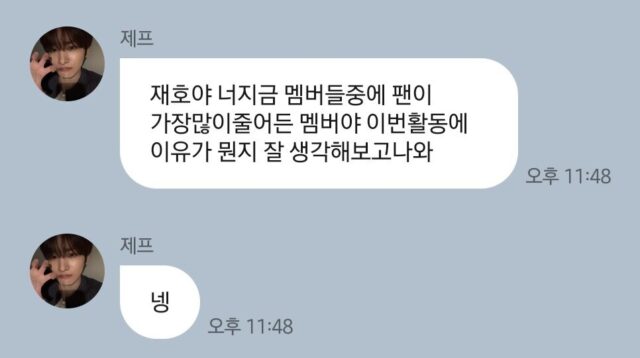
The message sent by the anonymous user read: "Jaeho, you are currently the member who has lost the most fans. Think carefully about the reason for this comeback before you come out." The tone of the message, which many interpreted as emotionally manipulative and unnecessarily harsh, was met with a remarkably brief response from the idol. Jeff simply replied, "Ok." This succinct acknowledgment, while professional, struck a chord with netizens who perceived it as a sign of the idol’s exhaustion or resignation in the face of direct harassment from a paying customer.
The Rise of Paid Private Messaging Services
To understand the weight of this incident, it is essential to examine the mechanics of the platform involved. "fromm," developed by Wonderwall, is one of several prominent private messaging services in the K-pop industry, alongside competitors like SM Entertainment’s "Bubble" and HYBE’s "Weverse DM." These platforms operate on a subscription-based model, where fans pay a monthly fee—usually ranging from $3 to $5 per member—to receive "private" messages, photos, and voice notes from their favorite idols.
While the idols send messages to a mass group of subscribers, the interface for the fan is designed to look like a one-on-one chat room. Fans can reply to these messages, and while the idol sees a feed of these replies, the structure creates a powerful illusion of intimacy. This "parasocial" dynamic is a cornerstone of modern K-pop marketing, intended to foster a sense of closeness and loyalty. However, as the incident with Jeff illustrates, this direct line of communication can be weaponized. Because the fans are paying for the service, a "customer is always right" mentality often emerges, leading some subscribers to believe they have the right to critique, direct, or even berate the artist under the guise of "feedback."
Chronology of the Online Backlash
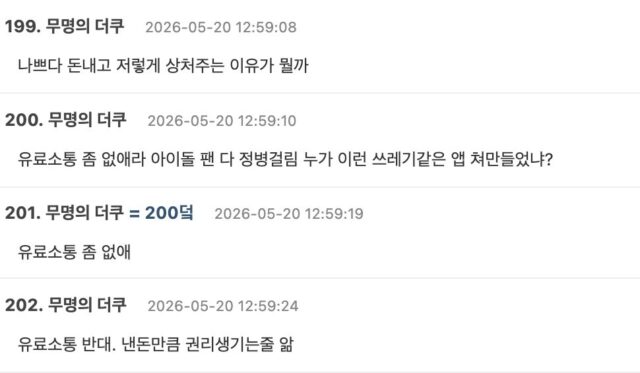
The controversy began in the early hours of May 20, when the screenshot was first shared within the EPEX fandom. Within hours, the post on TheQoo garnered tens of thousands of views and hundreds of comments, most of which were overwhelmingly supportive of Jeff and critical of the platform’s moderation policies.
By midday, the discourse had shifted from the specific message to a broader critique of the K-pop industry’s reliance on these services. Netizens pointed out that Jeff, born in 2005, is still a young artist navigating a high-pressure environment. The demand for his "reflection" on fan retention was deemed not only cruel but also a fundamental misunderstanding of the idol-fan relationship.
The timeline of the backlash can be summarized as follows:
- Initial Exchange: The subscriber sends the critical message on fromm; Jeff provides a short, two-letter response.
- Viral Spread: Screenshots are leaked to public forums, sparking immediate outrage among international and domestic fans.
- Community Escalation: Major K-pop news aggregators pick up the story, leading to a surge in hashtags calling for better artist protection.
- Policy Debate: Discussions move toward the technical limitations of these apps, specifically the lack of effective keyword filtering and the inability of agencies to monitor every incoming message in real-time.
Supporting Data on Idol Mental Health and Digital Harassment
The incident involving EPEX’s Jeff is not an isolated occurrence. In recent years, several idols have voiced their discomfort with the demands of private messaging apps. Industry data suggests that the "always-on" nature of these platforms contributes significantly to burnout. A 2023 survey regarding the digital labor of idols indicated that many feel pressured to log into these apps even during their rest periods to satisfy the expectations of the paying subscribers.

Furthermore, the psychological impact of direct-to-consumer criticism is documented. Unlike public comments on Instagram or YouTube, which can be filtered by staff or buried by positive messages, private messaging apps deliver criticism directly to the artist’s device in a format that mimics a personal conversation. For a "maknae" (the youngest member) like Jeff, who is often positioned as a figure to be protected by the fandom, this breach of boundaries is seen as particularly egregious.
Official Responses and Potential Agency Action
As of the time of reporting, EPEX’s agency, C9 Entertainment, has not issued a formal statement specifically addressing the fromm message. However, the agency has a history of taking legal action against malicious commenters. In previous instances involving their artists—which include the group CIX and soloist Younha—C9 Entertainment has emphasized a "zero-tolerance" policy regarding harassment.
Industry insiders suggest that the backlash may prompt fromm and similar platforms to update their terms of service. Possible measures include:
- Enhanced AI Filtering: Implementing more sophisticated algorithms to block messages that use shaming language or unsolicited "advice" regarding an artist’s career.
- Subscriber Banning: Making it easier for artists or their managers to permanently block specific users who send harmful content without refunding their subscription fees.
- Communication Windows: Restricting the times when fans can send messages to ensure artists are not bombarded during late-night hours or during their personal time.
Broader Impact on Fan Culture and Industry Ethics
The fierce backlash triggered by this incident reflects a growing movement within the K-pop community to prioritize artist well-being over corporate profit. For years, the industry has commodified the "accessibility" of idols, but the Jeff incident has highlighted the dark side of this accessibility.
Many fans are now calling for the complete abolition of paid messaging services, arguing that the financial transaction inherently devalues the artist as a human being and turns them into a "service provider" subject to abuse. Others argue for a middle ground, where the communication is strictly one-way or moderated by a third party before reaching the artist.
The implications of this event extend to the very definition of "fan support." The message sent to Jeff—claiming he had "lost the most fans"—is a form of "gaslighting" common in toxic fan circles, where the fan attempts to undermine the artist’s confidence to gain a sense of control. By sharing the message, Jeff (whether intentionally or not) exposed the reality of the labor he performs, forcing the public to confront the toxicity that exists behind the paywall.
Factual Analysis of the "Maknae" Dynamic
In the context of K-pop group structures, the maknae often carries a unique burden. While they are frequently the most pampered by older members, they are also the most vulnerable to age-based hierarchies and external criticism. Jeff, who debuted with EPEX in 2021 at the age of 16, has grown up under the scrutiny of the digital eye.
The assertion that he has "lost fans" is a subjective claim often used by "akgaes" (fans who support only one member and hate others) or "anti-fans" to cause emotional distress. Factually, EPEX has shown consistent growth since their debut with the EP Bipolar Pt.1: Prelude of Anxiety. Their recent releases have seen steady physical sales and a growing international footprint, contradicting the narrative that any single member is responsible for a "loss" of momentum.
Conclusion: A Turning Point for Artist Protection?
The "Jeff incident" serves as a stark reminder of the vulnerabilities inherent in the digital age of music promotion. While technology has allowed for unprecedented connection between artists and their audiences, it has also stripped away the traditional barriers that once protected performers from direct verbal assault.
The backlash from the global K-pop community indicates that the "customer is always right" model is no longer acceptable when it results in the psychological distress of young artists. As EPEX prepares for their next comeback, the focus of the fandom has shifted from promotional hype to a protective stance, demanding that agencies and platform developers take concrete steps to ensure that "private" messaging does not become a private channel for harassment. Whether this leads to systemic changes in how fromm and similar apps operate remains to be seen, but the conversation surrounding Jeff’s "Ok" response has undeniably marked a shift in the discourse on idol labor and digital ethics.