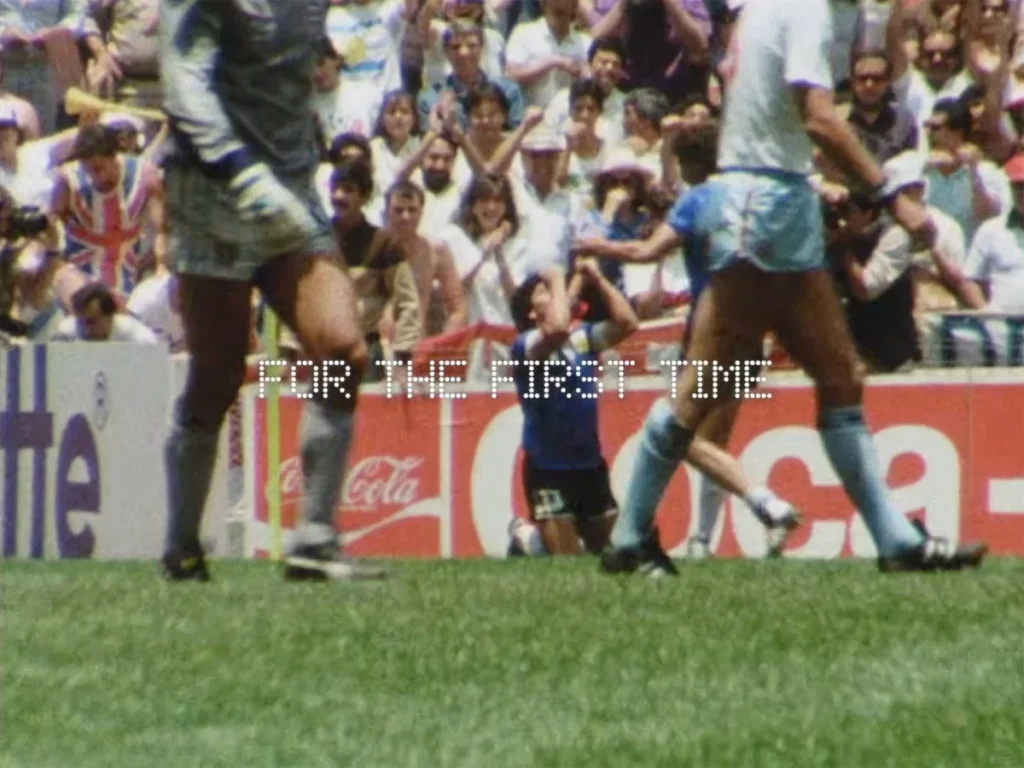

Disney has unveiled the official trailer for The Match, a compelling new documentary film that delves into the profound historical and emotional resonance of the iconic 1986 FIFA World Cup quarter-final match between Argentina and England. This cinematic exploration, which recently premiered to critical acclaim in the prestigious Cannes Premiere section at the 2026 Cannes Film Festival, offers a comprehensive look beyond the infamous "Hand of God" goal, exploring the intricate tapestry of tensions that had been woven between the two nations in the years leading up to this pivotal sporting encounter.
Directed by Juan Cabral and Santiago Franco, and narrated by esteemed football figures Gary Lineker and Jorge Valdano, The Match reconstructs the drama of the 1986 clash at the Azteca Stadium in Mexico City. The film leverages rare archival footage, including the controversial moment when Diego Maradona’s hand clearly assisted a goal, to present the match not merely as a sporting event, but as a living memory imbued with decades of historical context. The documentary meticulously traces the complex relationship between Argentina and England, a narrative shaped by more than two centuries of encounters, disputes, and ultimately, conflict, most notably the 1982 Falklands War, which served as a direct precursor to the heightened emotions surrounding the 1986 World Cup.
Early reviews have lauded The Match as an "entertaining exercise in deluxe nostalgia," noting its ability to captivate even those with limited interest in sports, thanks to its rich tapestry of folklore and offbeat background details. The film is poised to resonate deeply with both ardent football enthusiasts and history aficionados, offering a nuanced perspective on how a single game can become a potent symbol of national identity and historical grievances.
The Genesis of a Global Spectacle: The 1986 World Cup and its Precursors
The 1986 FIFA World Cup, hosted by Mexico, was already shaping up to be a tournament of immense global interest. Held against a backdrop of political and social shifts, the tournament provided a stage for both athletic brilliance and enduring narratives of national pride and historical contention. For Argentina and England, the path to the quarter-finals was paved with the recent memory of the Falklands War, a conflict that had erupted in 1982 over the sovereignty of the Falkland Islands. This military engagement had ignited deep-seated animosity and nationalistic fervor on both sides, creating an atmosphere where a sporting rematch carried an extraordinary weight of symbolic importance.

The Falklands War, a brief but intensely fought conflict, resulted in the deaths of 649 Argentine military personnel, 255 British military personnel, and three Falkland Islanders. The outcome, a British victory, solidified Argentina’s sense of loss and fueled a desire for vindication. Conversely, for Britain, the victory was a moment of national pride and a reaffirmation of its global standing. The scars of this conflict, therefore, were still fresh in the collective consciousness of both nations when their respective football teams met on the world stage four years later.
The Iconic Quarter-Final: More Than Just a Game
The match itself, played on June 22, 1986, at the legendary Estadio Azteca, is etched into footballing history for several unforgettable reasons. The most infamous moment, of course, was Diego Maradona’s opening goal. In the 51st minute, Maradona leaped for a high ball with England’s goalkeeper Peter Shilton. In a move that would be debated for decades, Maradona punched the ball into the net while Shilton’s hands were raised. The referee, inexplicably, allowed the goal, with Maradona later famously quipping, "It was a little with the head of Maradona and a little with the hand of God." This goal, born of controversy and perceived divine intervention, immediately symbolized for many Argentinians a form of retribution for past injustices.
Just four minutes later, however, Maradona produced a moment of unparalleled genius that transcended any controversy. He embarked on a mesmerizing solo run from his own half, evading five English players before coolly slotting the ball past Shilton. This goal, often hailed as the "Goal of the Century," showcased Maradona’s extraordinary skill and cemented his status as one of the greatest footballers of all time. It was a display of individual brilliance that captivated the world and demonstrated the dual nature of the game – its capacity for both controversy and breathtaking artistry.
Argentina ultimately won the match 2-1, with Lineker scoring England’s lone goal. The victory propelled Argentina into the semi-finals, where they would go on to win the tournament, securing their second World Cup title. For England, the defeat was a bitter pill to swallow, amplified by the circumstances of the loss and the looming shadow of the Falklands War.
The Match: Unpacking the Historical and Emotional Layers
The Match seeks to move beyond the sensationalism of the "Hand of God" and the brilliance of the "Goal of the Century" to explore the deeper socio-political currents that informed this highly charged encounter. The documentary’s narrative arc is built around the idea that the 1986 match was not an isolated sporting event but a culmination of historical grievances and national narratives.

The film’s directors, Juan Cabral and Santiago Franco, known for their distinct directorial voices, have collaborated to weave a narrative that is both historically rigorous and emotionally resonant. Their approach aims to reconstruct the match as a "living memory," allowing viewers to experience the event not just through the lens of sports statistics but through the weight of history and the collective consciousness of two nations.
Key elements explored in the documentary are likely to include:
- The Falklands War’s Lingering Shadow: The film will undoubtedly delve into the immediate aftermath of the 1982 conflict, examining how it amplified nationalist sentiments and created a palpable sense of unfinished business between Argentina and England. The war’s impact on national identity, political discourse, and public sentiment in both countries will be a crucial backdrop.
- Pre-Columbian and Colonial Tensions: The documentary’s exploration of "more than two hundred years of tension, encounters, and conflict" suggests a broader historical sweep. This could encompass the early interactions between European powers in South America, the complex colonial histories of both nations, and their respective roles on the global stage.
- Maradona as a National Icon: Diego Maradona was more than just a footballer in Argentina; he was a symbol of defiance, resilience, and national pride, particularly for a country grappling with economic and political instability. The Match will likely explore how his larger-than-life persona and his controversial actions on the pitch resonated with the nation’s collective psyche.
- The Role of the Media and Public Perception: The documentary may also examine how the media in both Argentina and England framed the match, contributing to the prevailing narratives and shaping public opinion. The way the "Hand of God" was reported and interpreted, for instance, would have been highly sensitive to the existing political climate.
- The Contrast Between Sport and War: The film’s stated aim to "subtly contrast the beauty of football with the lingering absurdity of war" suggests a thoughtful analysis of how sport can serve as both an outlet for nationalistic fervor and a platform for reconciliation, or at least, a temporary de-escalation of animosity.
Supporting Data and Historical Context
To understand the significance of The Match, it’s important to consider some supporting data and historical context:
- Global Audience: The 1986 FIFA World Cup was watched by an estimated 1.5 billion people worldwide, highlighting the immense global reach and cultural impact of the tournament.
- Economic Conditions: In the mid-1980s, both Argentina and the United Kingdom were navigating complex economic landscapes. Argentina, in particular, had experienced periods of significant economic hardship and political instability, making national sporting successes a vital source of morale.
- Political Climate: The aftermath of the Falklands War was a period of heightened nationalistic sentiment. In Argentina, the military junta had been overthrown in 1983, and the country was transitioning to democracy. In the UK, the Falklands victory was a significant boost to Margaret Thatcher’s government.
- Football’s Role in National Identity: In many South American countries, football is deeply intertwined with national identity and cultural expression. The sport often serves as a proxy for national pride and a means of expressing collective aspirations and grievances.
Expert Narrators and Their Perspectives
The involvement of Gary Lineker and Jorge Valdano as narrators adds significant weight to The Match.
- Gary Lineker: A key player for England in the 1986 World Cup, Lineker was on the pitch during this historic match. His personal experience and perspective as an English participant offer an invaluable insider’s view. As a prominent football pundit and commentator, Lineker is known for his thoughtful analysis and balanced perspective. His narration is likely to provide a nuanced account of the English experience, acknowledging the controversy while also respecting the brilliance of their opponents.
- Jorge Valdano: A prominent Argentine footballer who also played in the 1986 World Cup, Valdano was a key member of the winning team and scored Argentina’s second goal in the final. His insights into the Argentine mindset, the pressure of representing the nation, and the significance of the World Cup victory would be profound. Valdano has since become a respected football analyst and writer, known for his intellectual approach to the game.
Their combined narration promises a rich, multi-faceted account of the match, bridging the perspectives of both nations and offering a deeper understanding of the emotional stakes involved.

Critical Acclaim and Festival Debut
The premiere of The Match at the 2026 Cannes Film Festival in the Cannes Premiere section is a significant endorsement of its artistic merit and narrative importance. The Cannes Film Festival, renowned for its focus on auteur cinema and groundbreaking filmmaking, rarely features documentaries, making this selection particularly noteworthy. It suggests that The Match transcends typical sports documentary fare, offering a compelling cinematic experience with broad artistic appeal.
The "Cannes Premiere" section is reserved for films that represent significant cinematic events, often from established or emerging directors, and that have a strong artistic vision. This placement indicates that The Match is being presented not just as a sports film but as a significant piece of filmmaking that explores universal themes through the lens of a specific historical event.
Release and Broader Impact
Disney’s distribution of The Match in theaters worldwide this summer, following the 2026 World Cup, is a strategic move designed to capitalize on the global resurgence of football interest. The timing suggests an intention to capture audiences already immersed in the excitement and passion of the sport’s premier event.
The documentary’s release carries implications beyond the realm of sports entertainment. By framing a football match within a broader historical context, The Match has the potential to foster dialogue about:
- The enduring legacy of conflict: How historical events continue to shape national identities and international relations.
- The power of sport as a cultural force: The capacity of football to evoke strong emotions, national pride, and even act as a form of catharsis or symbolic reconciliation.
- The nature of memory and narrative: How historical events are remembered, interpreted, and re-told through different mediums.
- The complexities of national identity: The ways in which sports heroes and iconic moments become intertwined with a nation’s self-perception.
The Match promises to be a deeply engaging and thought-provoking film, offering a fresh perspective on one of the most iconic and historically charged football matches ever played. Its journey from the Cannes Film Festival to global theatrical release signifies its ambition to be recognized not just as a documentary about football, but as a significant piece of historical and cinematic storytelling.