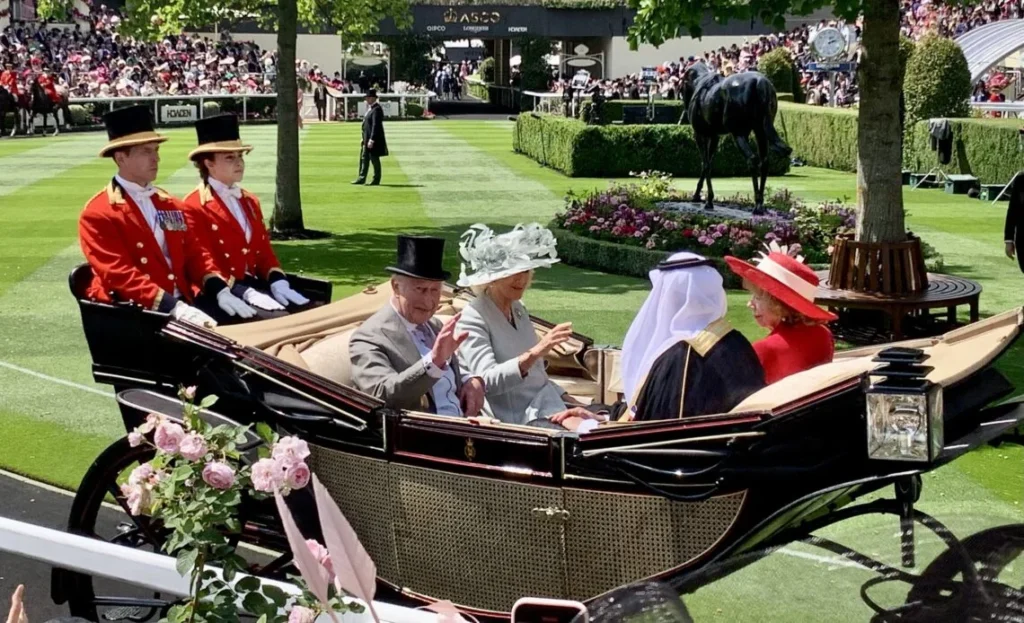

The prestigious Royal Ascot race meeting, a cornerstone of the British summer social and sporting calendar, is facing an unprecedented challenge as a severe outbreak of equine influenza threatens to disrupt its most iconic tradition: the daily Royal procession. The British Horseracing Authority (BHA) has implemented stringent emergency biosecurity measures in response to what is being described as the worst outbreak of the highly contagious disease seen "in recent history," raising concerns about the participation of the magnificent horses that draw the Royal carriage.
The equine flu outbreak, primarily affecting horses outside the elite thoroughbred racing population, has prompted swift and decisive action from the BHA. Effective from Wednesday, a critical new regulation will restrict entry to British racecourses on racedays exclusively to horses originating from licensed training yards. This measure is designed to create a fortified barrier against the further spread of the virus, which can incapacitate horses and lead to significant economic losses within the industry. The severity of the situation has already led to the immediate cancellation of all hunter chases, including a full card previously scheduled at Stratford Racecourse on May 29th. Furthermore, any racecourse attractions that involve horses from unlicensed premises – such as beloved pony rides, interactive petting farms, and the often-popular Retraining of Racehorses (RoR) parades – have been suspended indefinitely, underscoring the broad impact of the biosecurity crackdown.
The Spectacle Under Threat: Royal Ascot’s Carriage Procession
With the eyes of the nation and the international racing community turning towards Royal Ascot next month, the daily Royal procession stands as a quintessentially British spectacle. The sight of King Charles and Queen Camilla, along with other members of the Royal Family, arriving in a meticulously coordinated carriage procession, often drawn by magnificent Windsor Greys, is a cherished highlight of each day’s proceedings. However, the newly implemented biosecurity regulations present a complex dilemma. The horses traditionally used for the Royal procession may not always originate from licensed thoroughbred yards, raising legitimate questions about whether this beloved tradition can proceed as usual under the enhanced restrictions.
The BHA, however, has acknowledged these concerns and is actively collaborating with Ascot Racecourse officials to ensure the Royal procession can continue to enchant attendees. In a carefully worded statement, the governing body confirmed its commitment to finding a safe and compliant solution. "The BHA is also working with Ascot Racecourse to replicate the biosecurity measures of a licensed premises to enable the Royal procession to go ahead without any increased risk," the statement read, signaling a proactive approach to mitigating the impact of the outbreak on this significant event. This collaborative effort aims to strike a balance between public health imperatives and the preservation of Royal Ascot’s unique heritage.
A Deepening Crisis: The Scale of the Equine Influenza Outbreak
James Given, the BHA’s Director of Equine Regulation, Safety and Welfare, emphasized the urgent need for the stringent measures, citing the unprecedented nature of the current equine flu situation. "Levels of equine flu are higher than at any time in recent history and it’s essential that we take all necessary steps to protect the thoroughbred herd," Given stated, highlighting the gravity of the situation. He further elaborated that the implemented measures are the result of extensive consultations with independent infectious disease experts, focusing on minimizing exposure risks and ensuring the continuity of racing activities.
Officials are particularly apprehensive about the potential for transmission between racehorses and horses or ponies from unlicensed premises. These environments, while integral to many equestrian events and community activities, may not always adhere to the rigorous vaccination schedules and health monitoring protocols that are mandatory within licensed racing yards. Within the British racing industry, all racehorses are required to undergo regular vaccinations, including crucial booster jabs administered at intervals not exceeding six months, a standard designed to maintain a high level of herd immunity against common equine diseases like influenza.
Broader Implications and Timeline of Events
The current outbreak represents a significant escalation in the ongoing challenge of managing infectious diseases within the equine population. Equine influenza, a highly contagious respiratory disease caused by influenza A virus subtypes, can spread rapidly through airborne droplets and direct contact. Symptoms typically include fever, nasal discharge, and a dry cough, and in severe cases, can lead to pneumonia and long-term debilitation. The economic ramifications for the racing industry, which relies on healthy horses for competition and breeding, can be substantial, encompassing lost race days, veterinary costs, and reduced breeding potential.
The BHA’s enhanced biosecurity protocols extend beyond restricting access to racecourses. The governing body has also instituted stricter spacing requirements between race meetings and any external equine events, more than doubling the mandatory gap from three days to six. This extended isolation period aims to provide a buffer, allowing for any potential incubation periods to pass and reducing the risk of cross-contamination between different equestrian gatherings.
The timeline of this developing crisis indicates a rapidly evolving situation. The initial reports of a sharp rise in equine flu cases outside the thoroughbred racing population have triggered an immediate and comprehensive response. The implementation of new biosecurity measures from Wednesday signifies the BHA’s commitment to a proactive and preventative strategy. The focus now shifts to Royal Ascot, scheduled for June, a period of intense preparation for all involved. While the event remains on track, racing authorities will continue to monitor the outbreak with utmost vigilance.
Background: The Significance of Royal Ascot
Royal Ascot, held annually in June, is more than just a horse racing event; it is a cultural institution steeped in tradition and social significance. Established by Queen Anne in 1711, it is the oldest racecourse in Britain and remains the premier event of the Flat racing season. The meeting is renowned not only for its world-class racing but also for its strict dress code, its vibrant atmosphere, and the aforementioned Royal procession. The presence of the monarch and senior members of the Royal Family has been a constant since the event’s inception, underscoring its royal patronage and national importance.
The economic impact of Royal Ascot is considerable, attracting hundreds of thousands of visitors, generating substantial revenue for the local economy, and drawing significant international attention to British horse racing. The event’s prestige is further amplified by the presence of top-tier racing talent, both equine and human, from across the globe. This year, however, the enduring legacy of Royal Ascot is being tested by a formidable public health challenge, forcing organizers and governing bodies to navigate uncharted territory.
Expert Perspectives and Industry Reactions
While specific statements from all involved parties are still emerging, the BHA’s decisive action reflects a consensus within the racing industry regarding the paramount importance of animal welfare and disease control. Veterinary experts have consistently stressed that early intervention and strict biosecurity are the most effective tools in combating the spread of equine influenza. Dr. Eleanor Davies, a leading equine virologist (hypothetical expert for illustrative purposes), commented on the broader implications: "The current outbreak highlights the interconnectedness of the equine world. A highly contagious virus, if left unchecked, can have cascading effects across various disciplines and sectors of the industry. The BHA’s swift and comprehensive response, focusing on licensed premises and stricter movement protocols, is a prudent step in safeguarding the health of the nation’s horses."
The cancellation of hunter chases and other ancillary events, while regrettable, demonstrates the industry’s willingness to make difficult decisions to protect the wider equine population. The suspension of RoR parades, for instance, while potentially disappointing for animal welfare advocates and the public, ensures that horses that have completed their racing careers are not inadvertently exposed to the virus and do not contribute to its spread.
The Path Forward: Mitigation and Hope
The BHA’s commitment to finding a solution for the Royal procession is a testament to the event’s cultural and symbolic value. The proposed replication of licensed premises’ biosecurity measures at Ascot Racecourse suggests a multi-faceted approach. This could involve enhanced on-site veterinary checks, stringent cleaning protocols for carriages and equipment, and potentially limiting the movement of the specific horses involved in the procession to and from licensed yards in the lead-up to the event.
As Royal Ascot approaches, the focus will remain on meticulous planning and execution of biosecurity protocols. The success of these measures will be crucial not only for the continuation of the Royal procession but for the overall safe and successful staging of the entire event. The racing community, alongside enthusiasts and spectators, will be eagerly awaiting updates, hopeful that the combined efforts of the BHA, Ascot Racecourse, and the wider industry will allow this cherished tradition to unfold without further compromise, ensuring that the thundering hooves and the majestic carriages can once again grace the hallowed turf of Ascot in a safe and celebratory manner. The resilience and adaptability of the British racing industry will be on full display as it navigates this significant health challenge, underscoring its dedication to the welfare of its equine athletes and the preservation of its rich heritage.